 logo
logo
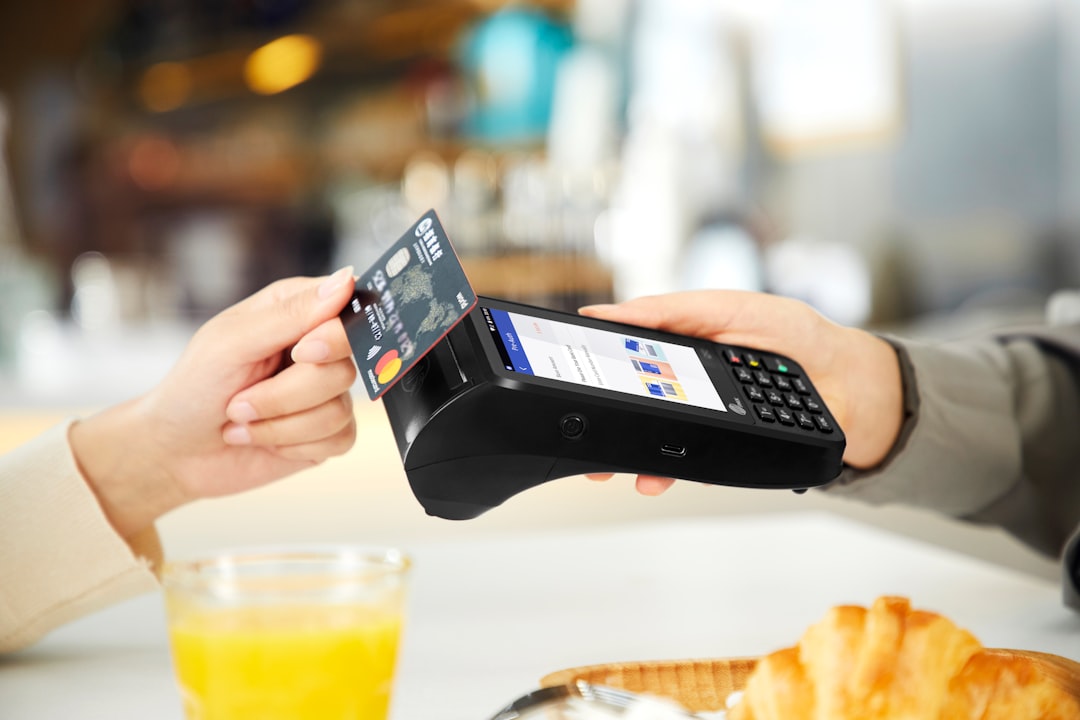
QR codes have evolved from simple black-and-white squares into powerful marketing and business tools that bridge the gap between offline and online experiences. Today, companies of all sizes use them to drive website traffic, share digital menus, enable contactless payments, collect feedback, and even launch immersive campaigns. As a result, QR code generator platforms have become essential tools for businesses and marketers looking to create dynamic, trackable, and brand-aligned customer interactions.
TL;DR: QR code generator platforms allow businesses to create branded, trackable, and dynamic QR codes for marketing, sales, and operational use. The best platforms offer customization, analytics, integrations, and security features. Choosing the right tool depends on your business goals, budget, and scaling needs. When used strategically, QR codes can significantly boost engagement, conversions, and customer insights.
In this article, we’ll explore why QR code generators matter, what features to look for, and which platforms stand out in today’s market.
Why QR Code Generator Platforms Matter
At first glance, generating a QR code might seem simple—just plug a URL into a free website and download the image. However, businesses require far more than that. Modern QR code generator platforms offer:
- Dynamic QR codes (editable destination URLs)
- Advanced analytics for tracking scans
- Customization and branding options
- Team collaboration and user management
- Security and compliance features
Unlike static codes, dynamic QR codes allow marketers to update destination links without reprinting materials. This flexibility is invaluable for printed campaigns, packaging, billboards, business cards, and product labels.

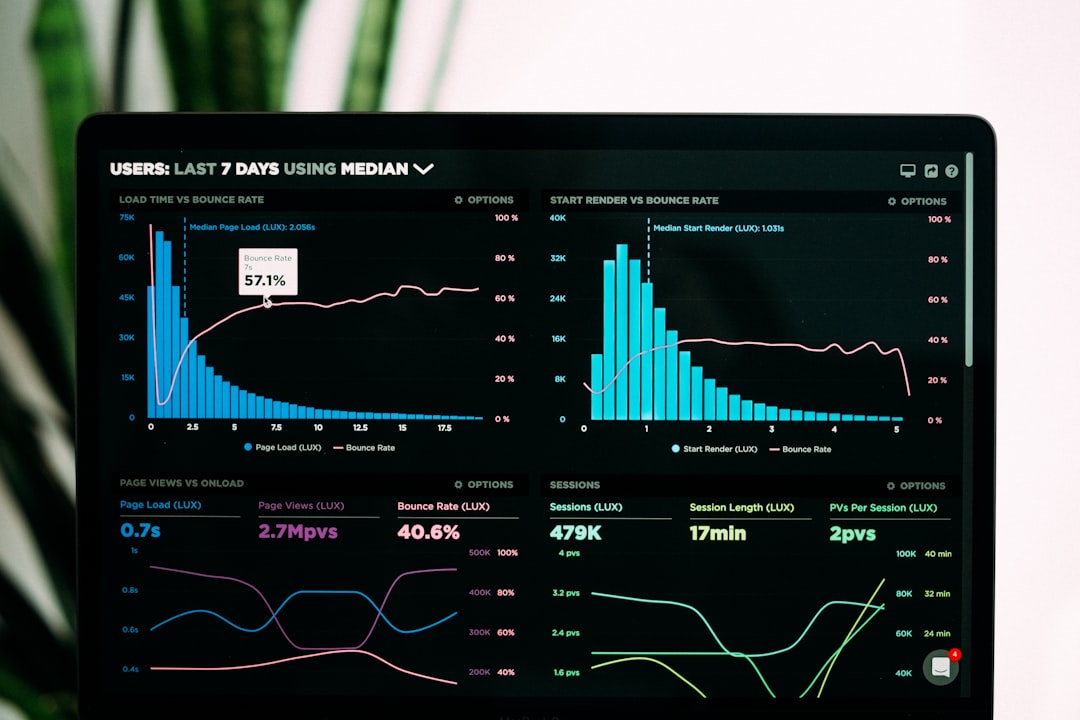
By leveraging tracking and analytics, businesses can measure scan rates by location, time, device type, and more. This data transforms QR codes from static tools into dynamic performance-driven marketing assets.
Key Features to Look for in a QR Code Generator Platform
Not all platforms are created equal. Before choosing a service, businesses and marketers should evaluate the following features:
1. Dynamic QR Code Capabilities
The ability to edit the linked content without regenerating the QR code is critical for long-term campaigns and printed assets.
2. Advanced Analytics and Reporting
Look for dashboards that include:
- Total and unique scans
- Geographic data
- Device and operating system information
- Time and date tracking
- CSV export functionality
3. Branding and Customization
Brand consistency builds trust. Choose a platform that allows:
- Custom colors
- Logo embedding
- Custom frames and CTAs
- Branded short URLs
4. Integrations
Enterprise-ready platforms often integrate with CRM systems, Google Analytics, Zapier, HubSpot, Salesforce, and other marketing automation tools.
5. Security and Reliability
SSL encryption, password protection, GDPR compliance, and role-based access are increasingly important—especially for larger teams.
Top QR Code Generator Platforms for Businesses and Marketers
Below are some of the leading QR code generator platforms available today.
1. QR Code Generator Pro
A widely recognized platform offering dynamic QR codes, branding customization, and robust analytics. Suitable for small to medium businesses.
- Dynamic and static codes
- Unlimited scans (depending on plan)
- Custom design options
- Scan tracking and analytics
2. Beaconstac
An enterprise-focused solution designed for large organizations and agencies. Beaconstac emphasizes security and deep analytics.
- Enterprise-grade security
- API access
- CRM and marketing integrations
- Bulk QR code generation
3. The QR Code Generator (by Bitly)
Leveraging Bitly’s link management infrastructure, this platform combines link tracking with QR functionality for marketers invested in multi-channel campaigns.
- Link shortening built-in
- Campaign-level analytics
- Branded links
- Strong analytics dashboard
4. Flowcode
Popular among creative brands and influencers, Flowcode focuses on stylish design and ease of use.
- Modern designs
- Simple dashboard
- Good analytics for marketing campaigns
- User-friendly interface
5. QRStuff
One of the earlier QR code platforms, offering both free and paid options. Suitable for basic business needs.
- Static and dynamic options
- Multiple data types
- Basic customization
Platform Comparison Chart
| Platform | Dynamic Codes | Analytics | Branding Options | Best For |
|---|---|---|---|---|
| QR Code Generator Pro | Yes | Advanced | Strong | SMBs and marketers |
| Beaconstac | Yes | Enterprise-level | Advanced | Enterprises & agencies |
| Bitly QR Codes | Yes | Strong campaign tracking | Branded links | Multi-channel campaigns |
| Flowcode | Yes | Marketing-focused | Stylish designs | Creative brands |
| QRStuff | Limited | Basic | Moderate | Budget users |
How Businesses and Marketers Use QR Code Platforms
Retail and E-commerce
Retailers place QR codes on product packaging, tags, and in-store displays to:
- Link to product videos
- Offer discount codes
- Collect reviews
- Provide additional specifications
Restaurants and Hospitality
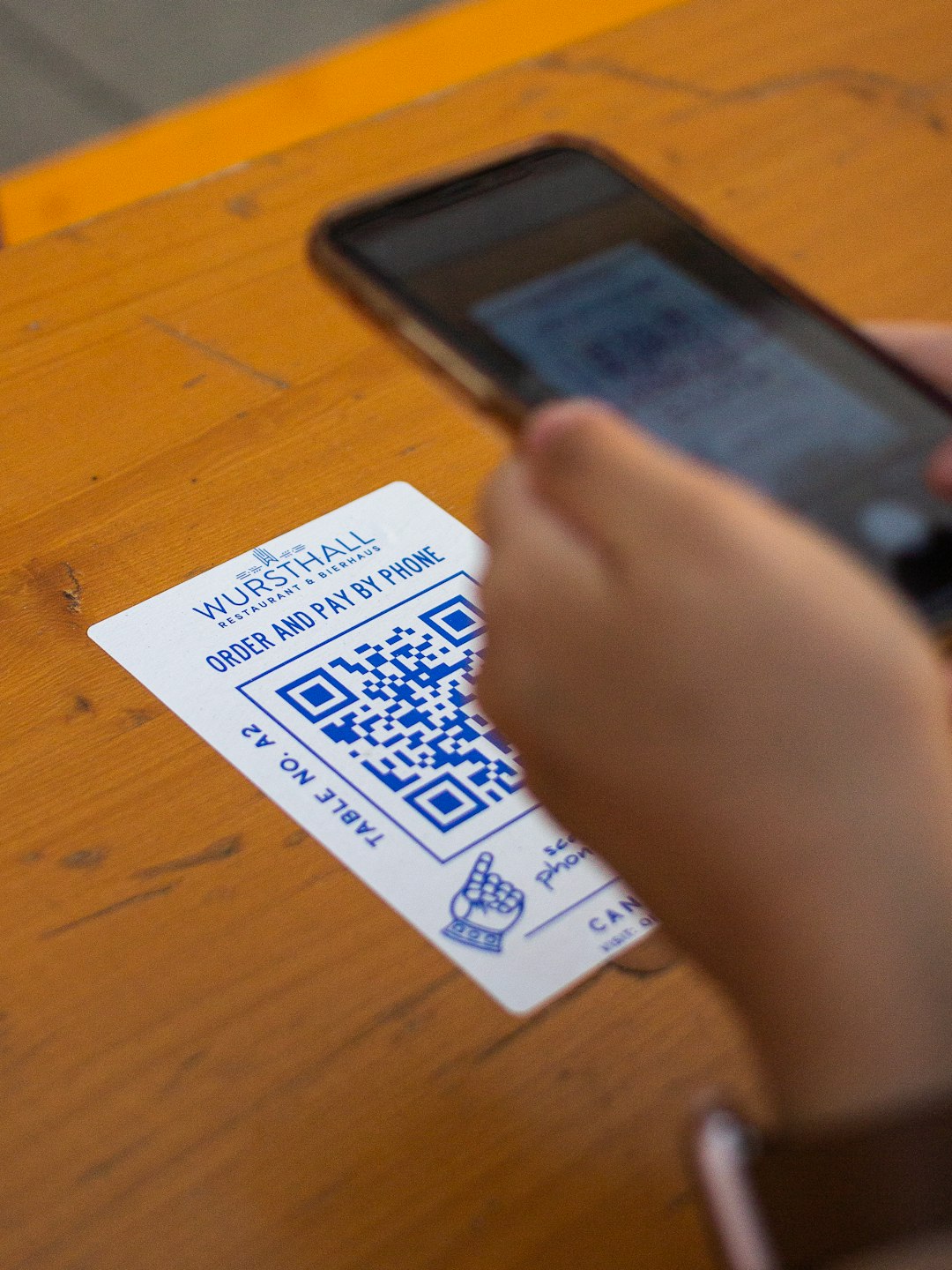
From digital menus to customer feedback forms, QR codes have become standard in hospitality settings.
Events and Conferences
Event organizers use QR codes for:
- Contactless check-ins
- Agenda downloads
- Lead capture
- Social media engagement
Real Estate
Agents leverage QR codes on signage and brochures to link to virtual tours, property listings, and application forms.
B2B Marketing
Sales teams embed QR codes in brochures, catalogs, mailers, and trade show materials to track engagement and gather leads.
Best Practices for Using QR Code Generators
Having the right platform isn’t enough—strategy matters. Here are some proven best practices:
- Always use dynamic codes for marketing campaigns.
- Add a call to action such as “Scan to Save 20%” or “Scan for Demo.”
- Test codes across devices before launch.
- Ensure landing pages are mobile-optimized.
- Track and analyze campaigns regularly.
A QR code without a compelling destination page will underperform. The code is just the gateway—your content drives conversions.
Common Mistakes to Avoid
Even experienced marketers sometimes misuse QR codes. Avoid these pitfalls:
- Printing static codes for long-term campaigns
- Using low-resolution images for print
- Failing to monitor analytics
- Over-customizing to the point of reduced scannability
- Not providing Wi-Fi access at physical locations
Proper testing and planning can prevent most QR-related headaches.
The Future of QR Code Platforms
As augmented reality, AI-driven marketing, and smart packaging evolve, QR codes are becoming entry points to immersive digital experiences. Modern platforms are now integrating:
- AI-driven performance insights
- Geo-targeted redirection
- A/B testing capabilities
- First-party data collection tools
With increasing privacy regulations limiting third-party cookies, QR codes offer businesses a powerful way to collect first-party engagement data directly from consumers.
Final Thoughts
QR code generator platforms have matured into sophisticated marketing and operational tools. What was once a simple way to link to a webpage is now a measurable, brandable, scalable channel that connects physical touchpoints with digital ecosystems.
For small businesses, a reliable platform with dynamic capabilities and analytics may be enough. For enterprises and agencies, advanced integrations, bulk generation, API access, and robust security features become essential. The best platform ultimately depends on your organization’s size, marketing strategy, and growth ambitions.
When chosen wisely and used strategically, QR code generator platforms can transform how businesses engage customers—turning everyday objects into interactive gateways and measurable marketing assets.
