 logo
logo
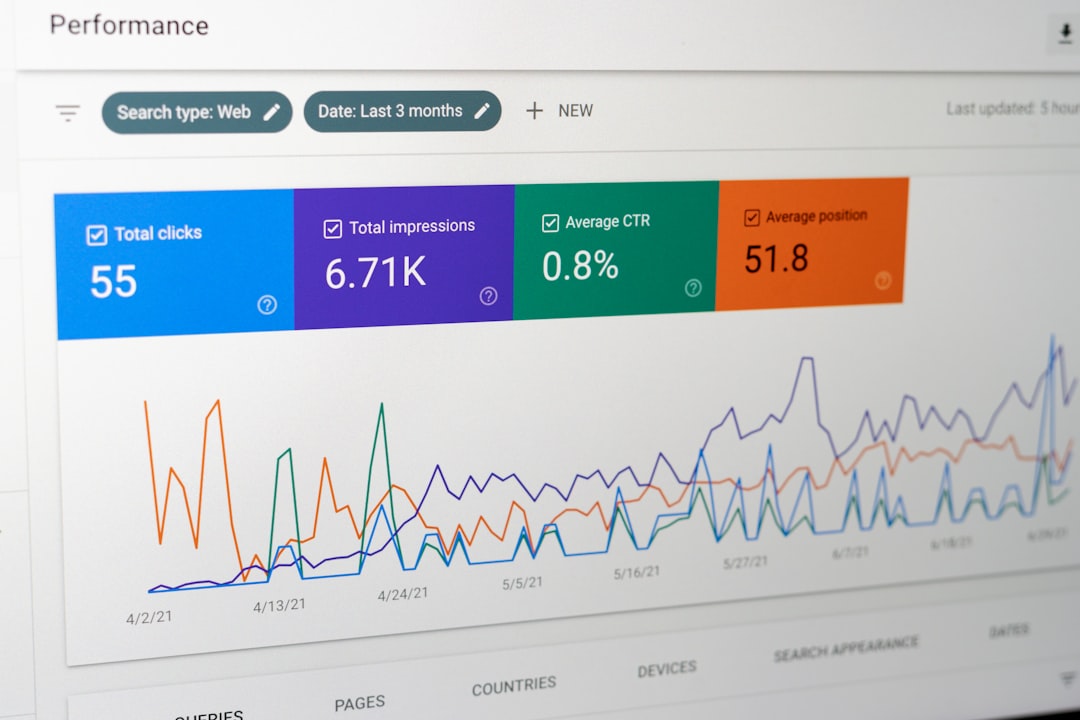
For SEO professionals, choosing between Screaming Frog and Ahrefs is not really about which tool is “better.” It is about which tool answers the question you are asking. Screaming Frog is a powerful technical crawler that behaves like a search engine bot, while Ahrefs is a broader SEO platform built around backlinks, keywords, rankings, and competitive research. Used together, they can reveal both what is happening inside a website and how that website performs across the wider search landscape.
TLDR: Screaming Frog is best for deep technical audits, such as finding 428 broken internal links or identifying 312 duplicate title tags across a 10,000-page ecommerce site. Ahrefs is better for off-page analysis, keyword research, and competitor tracking; for example, it can show that a competitor gained 1,200 referring domains in six months while your site gained only 180. If your problem is crawlability, redirects, metadata, or indexation, start with Screaming Frog. If your problem is rankings, backlinks, content gaps, or market visibility, start with Ahrefs.
1. Core Purpose: Site Crawler vs SEO Intelligence Platform
The biggest difference is their core function. Screaming Frog SEO Spider is primarily a website crawler. You enter a URL, run a crawl, and receive detailed data about pages, status codes, metadata, canonicals, internal links, images, hreflang tags, and much more.
Ahrefs, on the other hand, is a cloud-based SEO platform. It includes tools for backlink analysis, keyword research, rank tracking, site audits, content exploration, and competitor benchmarking. Its strength lies in showing how your site performs in search compared with others.
In simple terms: Screaming Frog tells you what is technically happening on your website; Ahrefs tells you how your website is performing in the search ecosystem.
Image not found in postmeta2. Technical SEO Depth
If your job involves technical audits, Screaming Frog is usually the sharper instrument. It can crawl websites in great detail and expose issues such as:
- Broken internal and external links
- Redirect chains and loops
- Missing or duplicate title tags
- Thin content pages
- Incorrect canonical tags
- Pagination and hreflang problems
- Pages blocked by robots.txt or noindex tags
Ahrefs also has a Site Audit tool, and it is useful for many standard technical checks. However, Screaming Frog gives more granular control over crawl settings, custom extraction, JavaScript rendering, crawl depth, user agents, authentication, and advanced configurations. For agencies and in-house technical SEOs, that level of control is often essential.
3. Backlink Analysis
This is where Ahrefs clearly takes the lead. Ahrefs is widely known for its large backlink database and strong link analysis features. It can help SEO professionals evaluate:
- Referring domains
- Backlink growth over time
- Lost and new links
- Anchor text distribution
- Competitor backlink profiles
- Link intersect opportunities
Screaming Frog can extract links during a crawl and analyze internal and external outbound links from a website, but it does not maintain a massive independent backlink index. If you want to know who links to your site, how authoritative those links are, and where competitors are earning links, Ahrefs is the more appropriate tool.
4. Keyword Research Capabilities
Ahrefs offers robust keyword research through its Keywords Explorer. You can review search volume, keyword difficulty, clicks, parent topics, SERP features, related terms, and ranking pages. This makes it useful for content strategy, campaign planning, and prioritizing SEO opportunities.
Screaming Frog does not function as a keyword research platform. It can help audit whether target keywords appear in titles, headings, body content, and metadata, especially when combined with custom extraction or external data imports. But it will not tell you that a keyword has 9,000 monthly searches or that a competing page ranks for 450 related queries.
For content teams, Ahrefs is the stronger option. For auditing whether a site has implemented keyword targeting correctly, Screaming Frog is highly valuable.
5. Competitor Research
Ahrefs is designed for competitive SEO analysis. You can enter a competitor’s domain and quickly see their top pages, best-performing keywords, backlink sources, content gaps, and historical ranking trends. This is especially useful when building an SEO roadmap.
For example, if an industry competitor receives an estimated 80,000 organic visits per month and your site receives 22,000, Ahrefs can help identify which pages and keywords are driving that difference. You may discover that 60% of the gap comes from comparison pages, glossary content, or high-authority backlinks.
Screaming Frog can crawl competitor websites if accessible, allowing you to inspect their site architecture, metadata patterns, content structure, and internal linking. However, it cannot provide the same visibility into their organic traffic estimates, keyword rankings, or backlink strategy.
6. Data Source and Workflow
Screaming Frog collects data by crawling a website in real time from your machine or configured environment. This means the data reflects what the crawler can access at that moment. You can adjust crawl behavior, connect APIs, upload URL lists, and export highly specific reports.
Ahrefs relies heavily on its own databases, including backlink, keyword, and ranking data gathered across the web. Its data is not generated only from your live crawl; it is built from continuous web discovery and search result analysis.
This creates different workflows. Screaming Frog is often used during a detailed audit phase: crawl, filter, export, diagnose, and fix. Ahrefs is often used during planning and monitoring: research, compare, prioritize, track, and report.
7. Reporting and Ease of Use
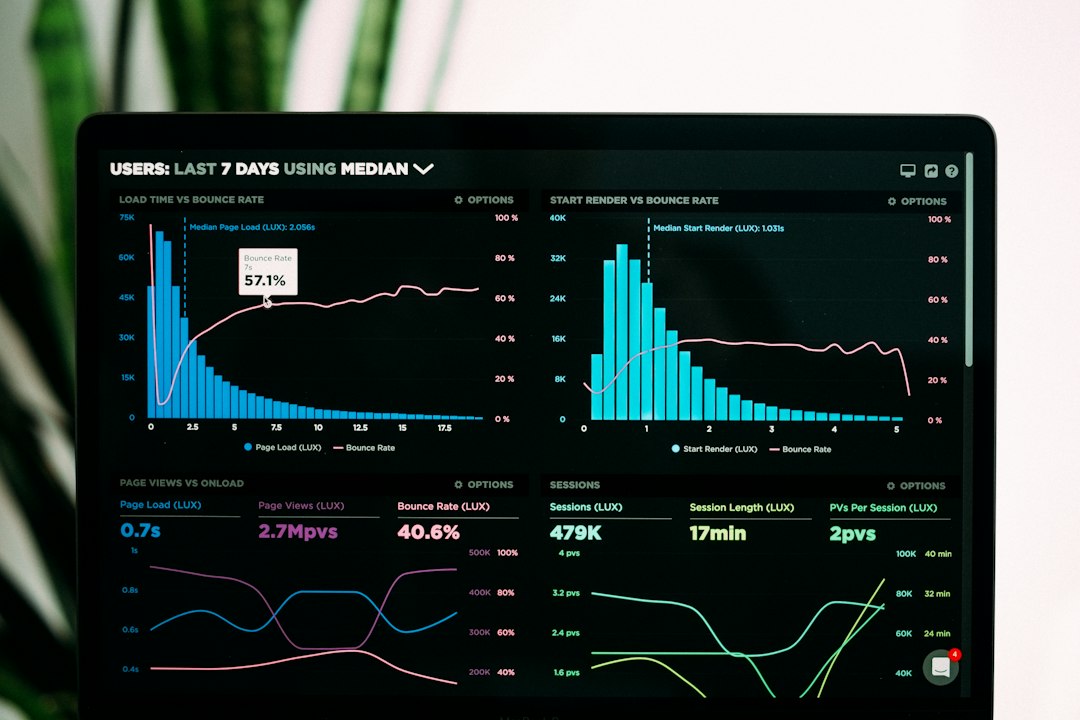
Ahrefs generally offers a more accessible interface for marketers, content strategists, founders, and clients. Its dashboards are visual, cloud-based, and easier to understand at a glance. Reports on organic traffic, keyword movement, and backlinks are presentation-friendly.
Screaming Frog has a more technical interface. It resembles a data table environment, with tabs, filters, exports, and configuration menus. For experienced SEO professionals, this is a strength. For beginners, it can feel overwhelming.
Consider the audience. If you are presenting to executives, Ahrefs screenshots and charts may communicate SEO progress more clearly. If you are briefing developers, Screaming Frog exports may provide the exact URLs, status codes, and directives they need to fix issues efficiently.
8. Pricing and Scalability
Screaming Frog is typically more affordable, especially for freelancers and technical SEO specialists. It offers a free version with a crawl limit, while the paid license unlocks larger crawls and advanced features. Because it runs locally, performance depends partly on your hardware and configuration.
Ahrefs is subscription-based and generally more expensive. However, its pricing reflects access to large datasets, keyword databases, backlink intelligence, rank tracking, and multiple SEO tools in one platform. For agencies managing many clients or brands competing in search-heavy markets, the investment can be justified.
The scalability question depends on your needs. If you must crawl a 500,000-page site with custom rules, Screaming Frog is extremely powerful when configured properly. If you need to monitor 20 competitors, thousands of keywords, and link growth across multiple markets, Ahrefs scales better as a strategic intelligence platform.

Which Tool Should SEO Professionals Choose?
The best choice depends on the type of SEO work you do most often. Choose Screaming Frog if your responsibilities include technical audits, migrations, crawl analysis, indexation checks, internal linking reviews, or structured data validation. It is especially useful before and after website launches, redesigns, and CMS changes.
Choose Ahrefs if you focus on keyword research, content strategy, backlink analysis, competitor monitoring, rank tracking, or SEO reporting. It is ideal for discovering growth opportunities and understanding how a site performs against competitors in organic search.
For many serious SEO professionals, the real answer is not Screaming Frog versus Ahrefs, but Screaming Frog and Ahrefs. A practical workflow might look like this:
- Use Ahrefs to find traffic drops, keyword losses, competitor gains, or backlink changes.
- Use Screaming Frog to crawl the affected pages and diagnose technical causes.
- Export data from both tools to compare rankings, internal links, metadata, canonicals, and content quality.
- Create a prioritized action plan based on technical severity and organic growth potential.
Final Verdict
Screaming Frog is the better choice for technical precision. Ahrefs is the better choice for market visibility and strategic SEO research. One looks closely at the machinery of your website; the other looks outward at the competitive search landscape.
If you are auditing a complex website, Screaming Frog will help you uncover problems that may prevent pages from being crawled, indexed, or understood. If you are planning growth, Ahrefs will help you identify keywords, links, and competitors that shape your search opportunity. For SEO professionals who want a complete view, using both tools together creates a far stronger workflow than relying on either one alone.