 logo
logo
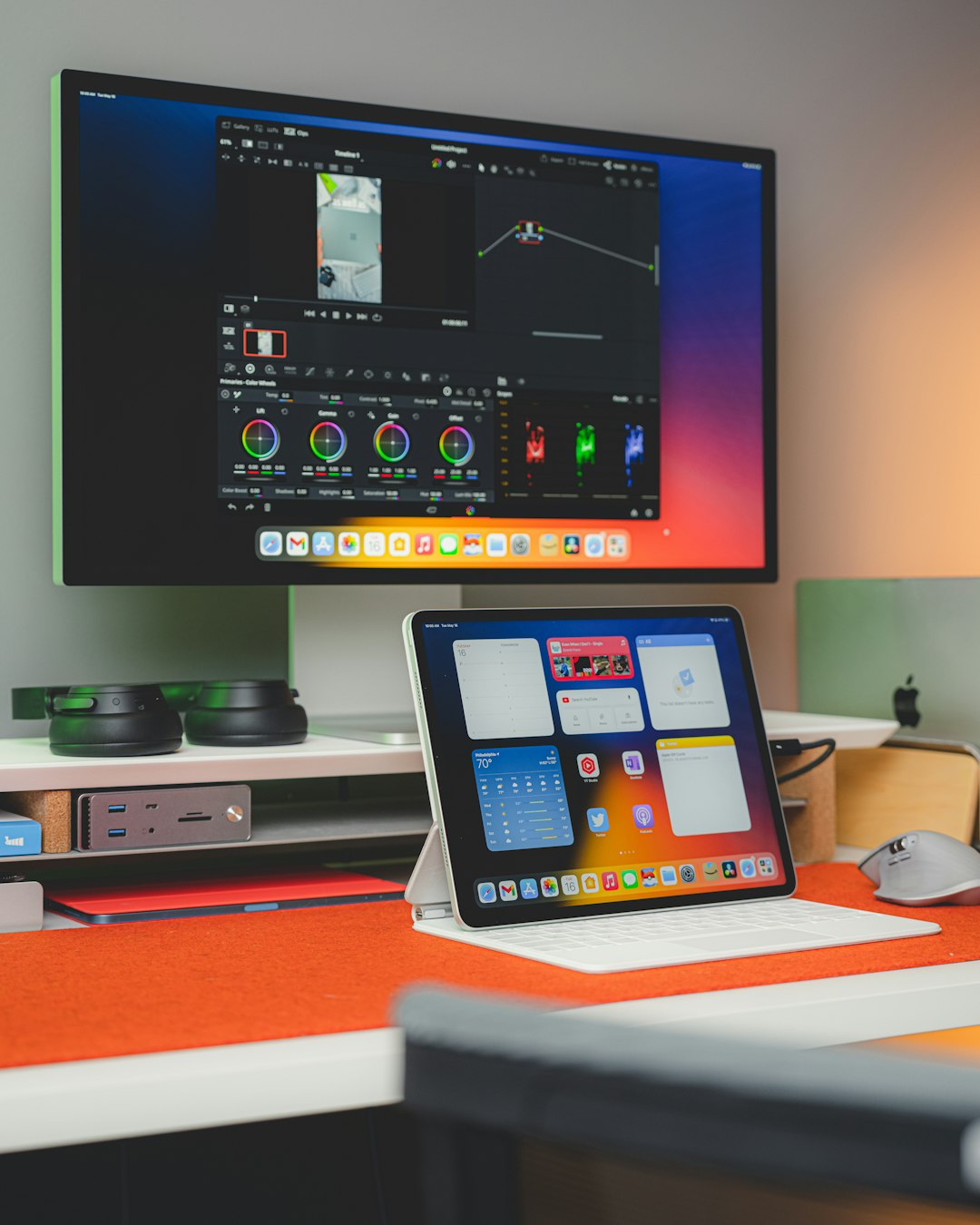
In the fast-moving world of short-form video content, creators and brands are constantly searching for ways to stand out on TikTok. The platform’s algorithm evolves quickly, trends shift overnight, and audience expectations grow more sophisticated each month. As a result, AI solutions for TikTok editing, captions, and trend analysis have become essential tools rather than optional upgrades. These technologies help streamline production, boost engagement, and increase the likelihood of videos going viral.
TLDR: Artificial intelligence is transforming how TikTok creators edit videos, generate captions, and identify trends. AI-powered tools can automate repetitive editing tasks, create optimized captions in seconds, and detect emerging trends before they peak. By combining speed, data insights, and creative assistance, AI allows creators and brands to produce more content with higher engagement potential. Those who embrace AI strategically gain a competitive edge in visibility and audience growth.
The Rise of AI in TikTok Content Creation
TikTok’s short-form format demands quick attention-grabbing edits, dynamic visuals, and engaging captions. Gone are the days when simple cuts and background music were enough. Modern users expect polished transitions, smart subtitles, and context-aware captions. AI tools rise to meet these demands by automating complex editing processes and providing data-backed recommendations.
AI-enhanced platforms can now:
- Auto-cut and trim footage based on highlights and movement.
- Generate subtitles with accurate speech recognition.
- Suggest trending sounds and hashtags tailored to a niche.
- Analyze engagement performance to improve future videos.
This technological shift allows creators to focus more on storytelling and creativity rather than technical details. AI does not replace creativity; rather, it amplifies it.
AI-Powered Video Editing for TikTok
Editing can be one of the most time-consuming elements of TikTok content production. AI editing tools alleviate this burden by automatically identifying engaging moments within raw footage.

These systems rely on computer vision and audio recognition to detect:
- Facial expressions and emotional peaks
- Changes in tone or volume
- Fast-paced action sequences
- Pauses or filler content
Once identified, AI can recommend clips for inclusion, automatically adjust framing for vertical orientation, and apply dynamic transitions aligned with TikTok’s fast style. Some tools also provide smart background removal, auto color correction, and even AI-generated B-roll suggestions.
Smart reframing is especially valuable. If a creator films horizontally, AI can adapt the content for TikTok’s vertical format without cutting out key subjects. Object-tracking algorithms ensure the main focus remains centered, even during movement.
Additionally, AI beat-syncing tools align video cuts with music rhythms. Since TikTok trends are often sound-driven, aligning visuals perfectly with audio increases watch time and engagement rates.
Intelligent Caption Generation and Optimization
Captions are more than text overlays; they are essential for accessibility, retention, and algorithmic understanding. Studies show that many users watch TikTok videos with sound off, making clear subtitles crucial.
AI-driven caption tools offer:
- Automatic speech-to-text conversion with high accuracy.
- Dynamic styling with animated text to highlight keywords.
- Keyword optimization for discoverability.
- Multi-language translation for global reach.
Modern AI systems can detect emotional shifts in speech and adapt caption styling—bolding impactful phrases or enlarging dramatic statements automatically. This keeps viewers visually engaged and encourages them to watch until the end.
Beyond on-screen subtitles, AI helps craft optimized video descriptions. By analyzing high-performing posts within a niche, AI can suggest relevant hashtags, call-to-action phrases, and SEO-enhanced copy tailored to TikTok’s algorithm.
For brands, this means maintaining consistency in tone while scaling content production. AI language models can generate multiple caption variations for A/B testing, helping marketers determine which phrasing drives more engagement.
Trend Detection and Predictive Insights
Perhaps the most powerful advantage AI offers TikTok creators is predictive trend analysis. Trends on TikTok evolve rapidly—sometimes within hours. Identifying a trend early can dramatically boost visibility.

AI trend-monitoring tools analyze millions of data points, including:
- Hashtag growth velocity
- Sound usage frequency
- Engagement spike patterns
- Influencer participation rates
Rather than simply listing what is already popular, AI can detect acceleration patterns. For example, if a specific sound shows a 300% usage increase within 24 hours among mid-sized creators, AI may flag it as an emerging trend before it reaches peak saturation.
This early detection enables creators to ride trends ahead of competitors. AI systems can also recommend how to adapt trends to a particular niche—whether it’s fitness, tech, beauty, or education.
Some advanced platforms even simulate predictive performance. By analyzing past videos and engagement metrics, they estimate how a new concept might perform, offering actionable recommendations before publishing.
Personalization Through AI Analytics
AI does more than edit and predict trends—it interprets audience behavior. TikTok’s algorithm heavily prioritizes watch time, replay rate, shares, and comments. AI analytics tools dissect these signals to uncover patterns.
For instance, AI might identify that:
- Videos under 22 seconds perform better for a specific niche.
- Hooks within the first 2 seconds dramatically increase retention.
- Question-based captions generate more comments.
With these insights, creators can refine their content strategy continuously. Instead of guessing what works, they rely on real performance data interpreted by machine learning algorithms.
This personalization extends to posting schedules. AI tools analyze audience activity times and recommend optimal publishing windows to maximize visibility.
Generative AI for Creative Enhancement
Generative AI is pushing TikTok content into new creative territory. From AI-generated scripts to virtual avatars and voice cloning, creators now have unprecedented flexibility.
Examples of generative AI applications include:
- Script drafting tailored to trending formats.
- Voiceover generation with natural-sounding narration.
- AI avatars for faceless content channels.
- Background scene generation without expensive setups.
This is particularly valuable for small businesses and solo creators who may lack production resources. AI reduces costs and shortens turnaround times while maintaining professional quality.
However, ethical considerations remain essential. Transparency about AI-generated elements and maintaining authenticity are critical for long-term trust with audiences.
Balancing Automation and Authenticity
While AI significantly enhances efficiency, over-reliance on automation can reduce originality. TikTok audiences respond to authenticity and relatability. The most successful creators use AI as a creative assistant rather than a replacement for personality.
Best practices include:
- Using AI for data-driven insights but injecting personal storytelling.
- Editing efficiently while keeping spontaneous moments intact.
- Leveraging AI captions but customizing tone and humor.
When used strategically, AI complements human creativity rather than competing with it.
The Future of AI in TikTok Marketing
Looking ahead, AI integration will likely deepen within TikTok’s ecosystem. Real-time editing suggestions during recording, automated performance forecasting, and hyper-personalized content distribution are on the horizon.
Brands will increasingly use AI to manage influencer collaborations, track campaign ROI, and tailor messaging for micro-audiences. Meanwhile, individual creators will depend on AI to scale growth sustainably without burning out.
The competitive advantage will belong to those who master both technological tools and creative storytelling. In a crowded digital environment, intelligent automation is becoming the key differentiator.
Frequently Asked Questions (FAQ)
1. How does AI improve TikTok video editing?
AI automates time-consuming tasks such as trimming clips, adding subtitles, syncing cuts to music, and optimizing video framing. It uses machine learning to detect highlights, recommend transitions, and enhance visual quality quickly.
2. Are AI-generated captions accurate?
Modern AI caption tools offer high speech-recognition accuracy and can adapt to different accents. While minor corrections may still be needed, they significantly reduce manual transcription time.
3. Can AI really predict TikTok trends?
AI cannot guarantee virality, but it can analyze data patterns and identify emerging trends earlier than manual observation. By tracking sound usage, hashtag growth, and engagement velocity, AI increases the chance of participating in rising trends.
4. Is AI suitable for small creators?
Yes. AI tools are especially beneficial for solo creators and small businesses because they streamline editing, improve content quality, and provide actionable insights without requiring advanced technical skills.
5. Will AI replace human creativity on TikTok?
No. AI enhances productivity and optimization, but authentic storytelling and personality remain central to success. The most effective creators use AI as a support tool rather than a substitute.
6. What is the biggest advantage of AI for TikTok?
The greatest advantage is efficiency combined with data-driven decision-making. AI enables creators to produce more content, optimize performance, and respond to trends faster than traditional workflows allow.
As TikTok continues evolving, AI solutions for editing, captions, and trend analysis are no longer optional luxuries—they are becoming core components of successful digital content strategies.
