 logo
logo
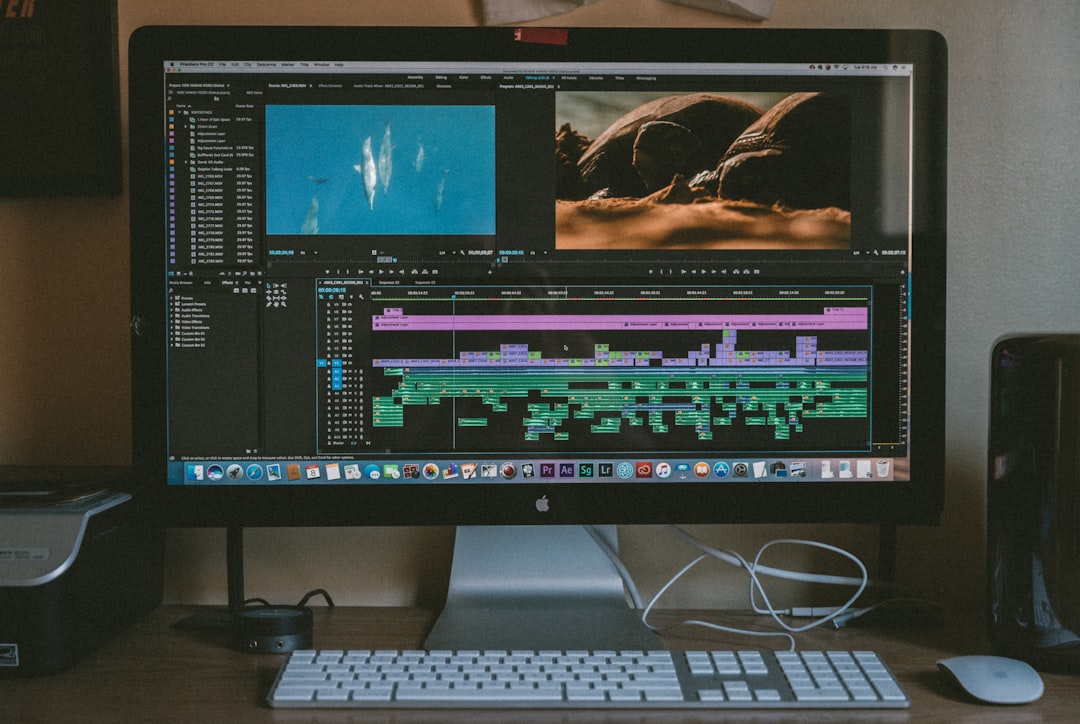
AI video production companies help brands make more videos, faster, and often at a lower cost than traditional production. They combine scriptwriting, editing, voiceovers, avatars, animation, stock footage, and automation into one service. For businesses that need product explainers, ads, training videos, or social clips every month, they can be a smart choice.
TLDR: AI video production companies create videos using tools for scripts, synthetic voices, AI avatars, automated editing, captions, and motion graphics. A small software company, for example, could turn one webinar into 12 short videos and cut editing time by 60% to 70%. Costs can range from about $100 for simple template videos to $10,000 or more for polished campaigns with strategy, custom visuals, and revisions.
What AI Video Production Companies Actually Do
These companies do not just “press a button” and hand over a perfect video. At least, the good ones do not. They use AI to speed up the dull parts of production, then add human direction where taste, timing, and brand judgment matter.
Typical services include:
- Scriptwriting: Turning briefs, blog posts, product pages, or sales notes into video scripts.
- AI voiceovers: Creating narration in different tones, accents, and languages.
- AI avatars: Using digital presenters for training, onboarding, sales, or support videos.
- Automated editing: Cutting long recordings into shorter clips for LinkedIn, TikTok, YouTube Shorts, and Instagram.
- Captions and subtitles: Adding accurate captions, often in several languages.
- Motion graphics: Building animated text, charts, icons, and product highlights.
- Personalized videos: Creating many versions of the same video for different audiences or accounts.
Some agencies focus on speed and volume. Others act more like traditional creative studios, with strategy, storyboards, art direction, and campaign planning. The right fit depends on whether you need 50 quick social clips or one high-stakes brand film.
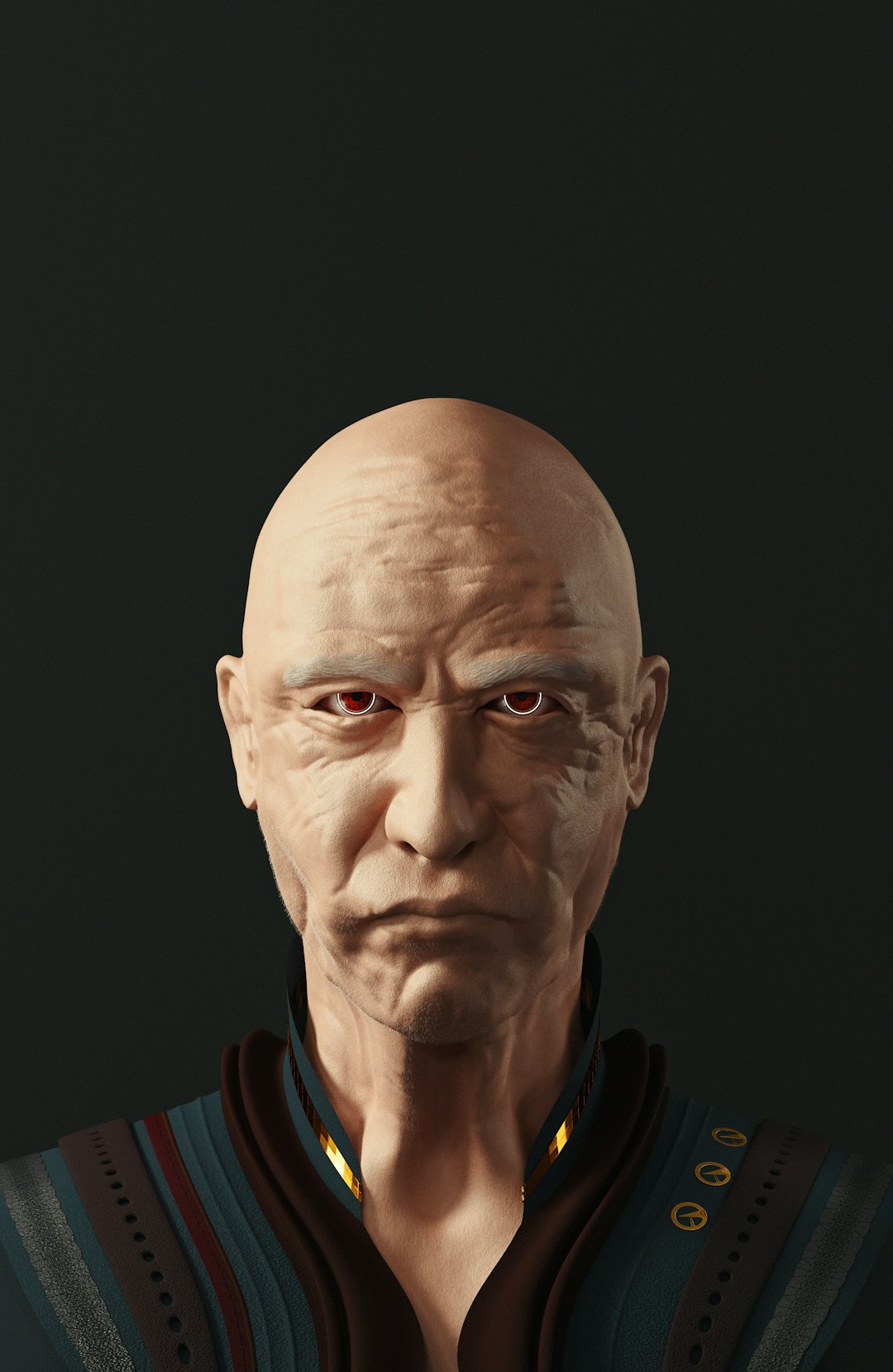
Common Types of AI Videos
Explainer videos are one of the most common uses. A company provides a product page or sales deck, and the studio turns it into a short video with voiceover, captions, screenshots, and motion graphics.
Training videos are another strong use case. Instead of filming a manager reading a script, a business can use an AI avatar and update the video whenever policies change. That saves time, especially for HR, compliance, and customer support teams.
Social media clips are also popular. Long podcasts, webinars, demos, and interviews can be cut into short clips with captions and hooks. Honestly, it feels like a waste when a one-hour webinar gets used once and then disappears into a folder. AI editing helps squeeze more value from it.
Ad variations are useful for performance marketing. A team can test different openings, calls to action, products, offers, and aspect ratios. Instead of making one ad and hoping it works, they can try 10 versions and keep the winners.
Key Benefits for Businesses
The biggest benefit is speed. A basic AI-assisted video can often be finished in days, not weeks. For teams that need steady content, this matters. Campaigns move faster. Updates happen sooner. Product launches get more support.
The second benefit is lower production cost. You may not need a filming location, camera crew, studio rental, actors, travel, or a full editing team for every project. That does not mean every AI video is cheap. It means the budget can go into strategy, message testing, and distribution instead of logistics.
The third benefit is scale. AI production works well when you need many similar videos. Think sales outreach videos, product tutorials, e-learning modules, or localized ads. Once the structure is set, new versions are much easier to create.
Another benefit is consistency. Brand colors, fonts, intro styles, caption formats, and voice tone can be locked into templates. This helps teams avoid the messy “every video looks different” problem.
Where AI Video Still Falls Short
AI video is powerful, but it is not magic. Faces can look slightly stiff. Voices may miss emotional nuance. Stock footage can feel generic. Some tools also add tiny delays to simple edits, which drives me crazy when trimming a clip takes 8 seconds instead of feeling instant.
Original storytelling still needs human skill. If your video must make people laugh, cry, trust a founder, or remember a bold idea, you need creative direction. AI can help produce the pieces. It cannot fully replace taste.
There are also legal and brand safety issues. Companies should check music rights, stock licenses, avatar consent, data privacy, and disclosure rules. This is especially true for healthcare, finance, education, and political content.
How Much Do AI Video Production Companies Cost?
Pricing varies by quality, length, speed, revisions, and the amount of human creative work involved. Here are common ranges:
- $100 to $500 per video: Simple template videos, short social clips, captioned edits, or basic avatar videos.
- $500 to $2,500 per video: Better scripting, brand styling, custom editing, stock footage, voiceover, and a few revision rounds.
- $2,500 to $10,000 per project: Product explainers, ad packages, training modules, or batches of edited clips.
- $10,000 and up: Larger campaigns with creative strategy, multiple formats, analytics, localization, and custom visual systems.
Some companies charge monthly retainers. A small retainer might cover 4 to 8 short videos per month. A larger package may include strategy calls, editing support, ad variations, thumbnails, captions, and reporting.
Ask what is included before you agree. Revisions, script changes, rush fees, voice licensing, avatar use, source files, and language versions can change the final price.
What a Typical Workflow Looks Like
Most projects start with a brief. The company asks about goals, audience, tone, call to action, brand rules, and where the video will be used. A YouTube explainer needs a different structure than a 15-second paid ad.
Next comes the script and storyboard. Then the team creates voiceover, visuals, animations, avatars, captions, and music. After that, you review a draft and request edits. Final files are exported in the needed sizes, such as 16:9, 1:1, and 9:16.
For ongoing content, the workflow becomes smoother. Templates are built. Brand rules are saved. The team learns your product language. That is where AI production becomes much more efficient.
How to Choose the Right Company
Start by asking for samples in your industry. A studio that makes slick fashion ads may not be right for technical software tutorials. Check if their work feels clear, polished, and human enough for your audience.
Also ask these questions:
- Who writes and approves the scripts?
- How many revisions are included?
- Can videos be updated later?
- Do you own the final files?
- Are voice, music, stock footage, and avatar rights covered?
- Can they create versions for different platforms?
The best AI video production companies mix automation with human judgment. They save time, cut waste, and help teams publish more useful video content. Pick one based on output quality, process, rights, and total cost, not just the flashiest demo reel.
