 logo

Pick Google Veo 3 for the most polished cinematic work, OpenAI Sora for strong prompt following and creative ideation, and Kling AI for fast marketing clips with practical controls. Veo 3 stands out because Google says it can generate video with native audio, sound effects, ambience, and dialogue, which matters a lot for finished-looking content [source: Google DeepMind].
TLDR: Veo 3 is the best bet when quality and realism matter most, especially for ads, trailers, and product storytelling. Sora is a strong creative tool for teams that want to test visual ideas quickly and push style. Kling AI is useful for social teams that need many short clips, image-to-video workflows, and more hands-on control. For example, a brand making 30 TikTok ad variations might use Kling for 70% of drafts, Sora for unusual concepts, and Veo 3 for the final 3 hero videos.
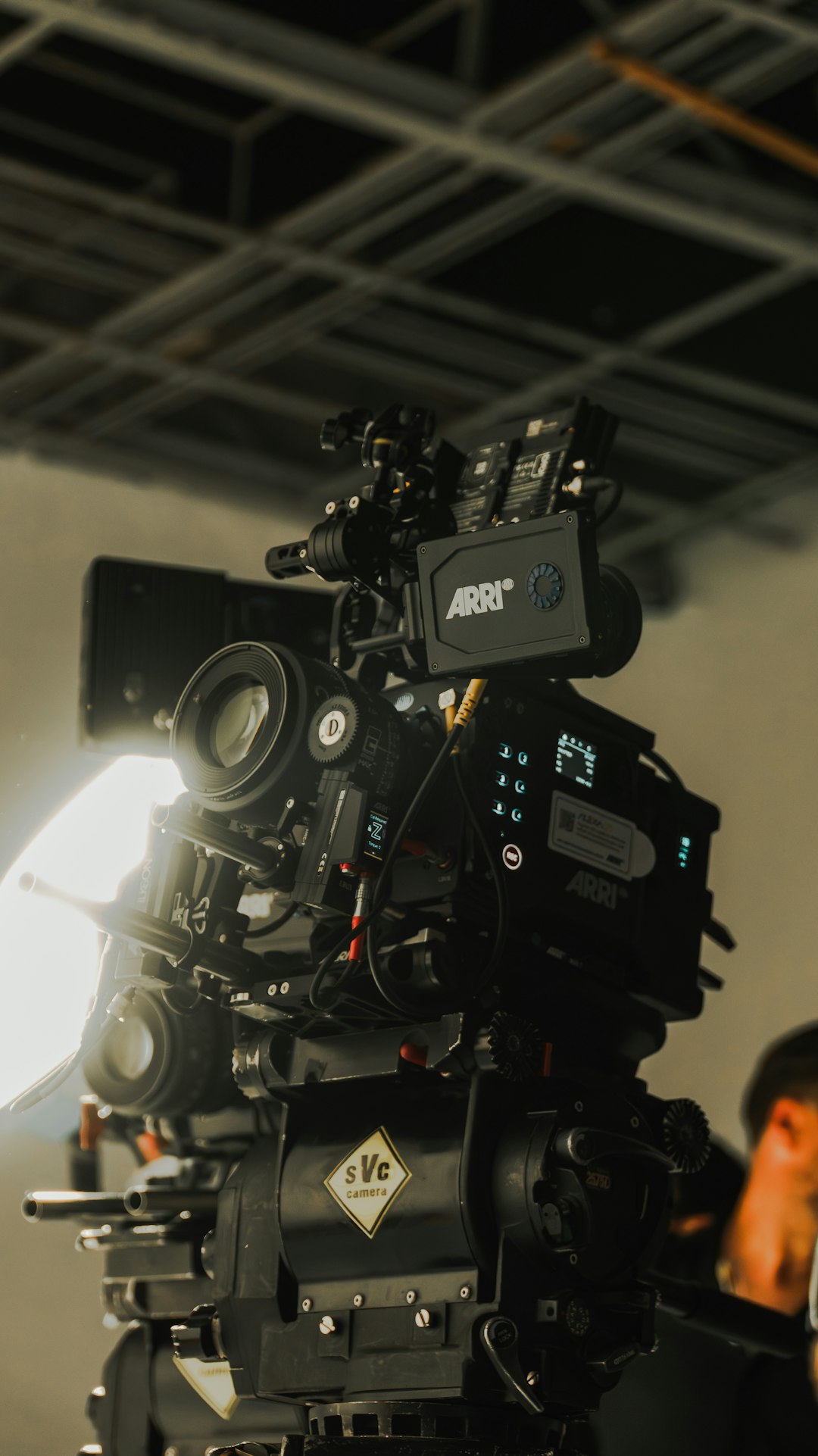
Quality: Veo 3 looks more finished, Sora feels more imaginative, Kling is practical
Google Veo 3 is aimed at high-end output. Its biggest strength is coherence. Characters tend to hold their shape. Lighting feels natural. Camera movement looks planned rather than random. The addition of native audio also changes the game. A clip with footsteps, background noise, and spoken dialogue feels closer to a real video, not just a silent animation waiting for editing.
OpenAI Sora is known for rich scenes, creative composition, and strong prompt interpretation. It can create clips that feel surreal, cinematic, or documentary-like. Sora often shines when the prompt is visual and specific: “a glass fox walking through a neon market at night” is the kind of request that suits it well. The catch is that realism can still wobble. Hands, physics, and object continuity may break, especially in busy scenes.
Kling AI, from Kuaishou, has become popular because it is easy to use and good at turning images into video. It performs well for fashion shots, product spins, anime-style clips, food content, and influencer-style scenes. It may not always match Veo 3 for polish, but it is often “good enough” for social media. Honestly, that matters. Most viewers will see the clip on a phone for three seconds before swiping.
Controls: who gives you the most creative grip?
Veo 3 is built for cinematic prompting. You can describe camera moves, shot types, mood, lighting, and action. If you are working on a brand film or premium ad, that language matters. It lets directors think in shots, not just prompts. Still, access and workflow can feel tighter than some users want, especially if you need fast iteration across dozens of versions.
Sora is strong for text-to-video ideation. It is useful when you want to explore ideas before committing to a shoot, storyboard, or animation style. OpenAI has also positioned Sora as a tool for generating and remixing video from text and other media inputs [source: OpenAI]. Expect to waste time on rerolls, though. A prompt that sounds clear to you may still produce odd motion or a weird background detail.
Kling AI often feels more hands-on for everyday creators. Image-to-video is one of its big advantages. Upload a product shot, portrait, or character image, then animate it. This is handy for ecommerce teams that already have product photos. Some versions also offer camera movement settings and clip extension features, which help when building social posts quickly.
Business use cases: where each tool fits best
- Veo 3: Best for premium ads, brand films, launch videos, concept trailers, and investor-facing visuals.
- Sora: Best for creative testing, storyboarding, pitch decks, mood videos, and experimental campaigns.
- Kling AI: Best for social media ads, product showcases, influencer-style clips, short reels, and quick image animation.
For a luxury watch brand, Veo 3 is the safer choice. You want reflections, metal, skin, and camera motion to look expensive. One bad frame can make the whole piece feel cheap.
For a game studio, Sora may be more useful during early planning. The team can test 15 visual styles before hiring a 3D artist or building a full trailer. That can save days of pre-production.
For a small online store, Kling AI may be the most sensible option. A team can animate product photos into short clips for Instagram, TikTok, or YouTube Shorts. If one clip fails, no one cries. You make ten more.
Speed, cost, and workflow
The best tool is not always the one with the best pixels. It is the one your team will actually use. Veo 3 may produce the strongest final clip, but if access is limited or generation takes longer, it can slow a busy campaign. Sora is powerful for concept work, but creative teams may need several generations before the result feels right. Kling AI is often attractive because it fits the rhythm of social content: make, test, post, repeat.
Here is a simple split for a marketing team with a monthly video budget:
- 50% of testing clips in Kling AI for speed and volume.
- 30% in Sora for stronger creative concepts.
- 20% in Veo 3 for the final polished assets.
This mix keeps quality high without burning time on every draft. It also helps teams avoid a common mistake: using a premium model for rough ideas that may never ship.
Final verdict
Veo 3 wins on premium quality. It is the best fit when the video must feel close to production-grade work, especially with sound included. Sora wins on imagination and ideation. It is great for creative teams that want to see strange, bold, or cinematic concepts fast. Kling AI wins on practical output. It is useful, flexible, and friendly for short-form marketing.
If your business needs one tool, choose based on the job. For brand polish, choose Veo 3. For concept exploration, choose Sora. For social volume, choose Kling AI. The smartest teams will not treat this as a winner-takes-all fight. They will use each model where it hurts the least and helps the most.