 logo
logo

A repeatable SEO publishing workflow turns content from a guessing game into a controlled production system. The strongest teams use the same sequence every time: research, brief, draft, edit, optimize, publish, measure, and refresh. This keeps quality steady, reduces missed steps, and makes performance easier to improve.
TLDR: A good SEO publishing workflow helps teams publish faster without lowering standards. For example, a SaaS blog publishing 12 articles per month might group keywords into four clusters, assign one editor, and review rankings every 30 days. If organic clicks rise by 18% after two months, the team can see which briefs, topics, and updates caused the lift. The process works because every article follows the same checklist, not because anyone relies on luck.
Build the Workflow Around Clear Stages
An SEO publishing workflow should not live in someone’s head. It should be documented, repeatable, and simple enough for writers, editors, strategists, and stakeholders to follow. The usual stages are:
- Topic research
- Keyword and intent analysis
- Content brief creation
- Writing and editing
- On-page optimization
- Publishing and internal linking
- Performance measurement
- Content refreshes
Each stage needs an owner. Without ownership, tasks stall. It drives editors crazy when a draft sits for six days because no one knows who approves the meta title. Small gaps like that slow the whole system.

Start With Research, Not Random Ideas
Research should answer one main question: what should the site publish next to support search demand and business goals? Search volume matters, but it is not enough. A keyword with 8,000 monthly searches may be useless if the audience has no buying intent or the site has no chance of ranking.
Strong research combines several inputs:
- Keyword data: search volume, difficulty, trends, and related queries.
- Search intent: whether the user wants information, comparison, pricing, or a product.
- Competitor analysis: what already ranks, how deep it is, and what is missing.
- Business fit: whether the topic supports leads, trials, sales, or trust.
- Content gaps: topics competitors cover that the site has ignored.
The result should be a prioritized keyword map. This map groups related keywords into clusters. One pillar page may target a broad term, while supporting posts answer smaller questions. This structure helps search engines understand topical depth.
Create Briefs That Writers Can Actually Use
A content brief should prevent confusion, not create more work. Some briefs are bloated with 40 keywords, three audience profiles, and vague advice like “make it engaging.” Honestly, that feels like busywork. A useful brief gives the writer enough direction to produce a strong first draft.
Each brief should include:
- Primary keyword and secondary keywords.
- Search intent in plain language.
- Target reader and their likely problem.
- Recommended title angle.
- Suggested outline with H2 and H3 sections.
- Internal links to include.
- External sources or data points to cite.
- Call to action based on the funnel stage.
The brief should also list what competitors missed. That is where the content can stand out. If every ranking article gives shallow tips, the new article can add templates, examples, screenshots, expert quotes, or original numbers.
Keep Production Predictable
Content production needs deadlines, roles, and version control. A simple workflow may look like this:
- Strategist approves the topic and brief.
- Writer creates the draft.
- Editor checks structure, clarity, and accuracy.
- SEO specialist reviews optimization.
- Subject expert checks claims when needed.
- Publisher formats and schedules the article.
This sequence keeps feedback from becoming a mess. It also stops late-stage rewrites. If a product expert reviews the article only after it is formatted, expect to waste time on avoidable edits.
A shared editorial calendar helps. It should show article status, owner, due date, target keyword, URL, and publication date. The calendar does not need to be fancy. It only needs to be accurate.

Optimize Before and After Publishing
On-page optimization should happen before the article goes live. The goal is not to stuff keywords into every heading. The goal is to make the page clear, useful, and easy for search engines to read.
Pre-publish checks should include:
- Title tag: clear, keyword aligned, and appealing.
- Meta description: concise and written for clicks.
- URL slug: short and readable.
- Headings: logical and easy to scan.
- Internal links: pointing to and from relevant pages.
- Image alt text: descriptive, not spammy.
- Schema markup: added where useful, such as FAQ or how-to content.
- Mobile readability: short paragraphs and clean formatting.
Optimization should continue after publishing. Search results change. Competitors update pages. User behavior shifts. A page that ranked well six months ago may lose traffic if it becomes thin or outdated.
Measure What Matters
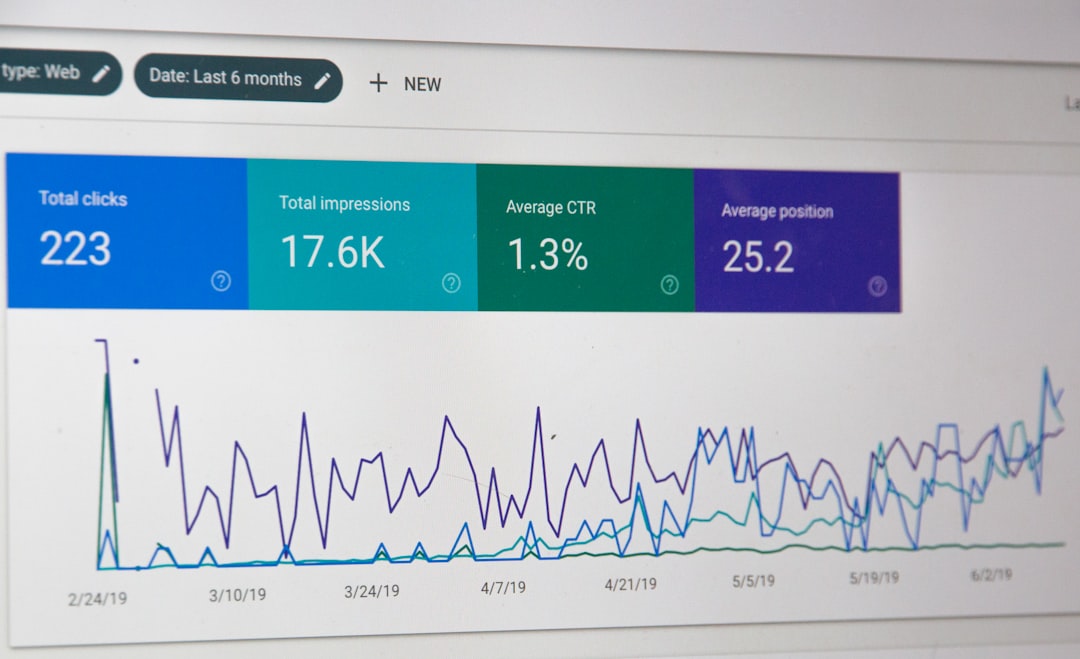
Measurement should connect SEO work to business results. Rankings are useful, but they are only one signal. A page that ranks in position two and brings no conversions may not be as valuable as a page in position six that drives qualified demos.
Useful metrics include:
- Organic clicks
- Impressions
- Average ranking position
- Click-through rate
- Engaged sessions
- Conversions
- Assisted revenue
- Internal link growth
A simple reporting rhythm works best. Teams can review new content after 30, 60, and 90 days. At 30 days, they check indexing and early impressions. At 60 days, they review keyword movement. At 90 days, they decide whether to update, expand, merge, or leave the page alone.
Create a Refresh System
Publishing new content is only half the job. Older content needs care. A refresh system helps protect rankings and recover lost traffic.
Good refresh candidates include pages with:
- Declining clicks over three months.
- High impressions but low click-through rate.
- Rankings stuck on page two.
- Outdated examples, screenshots, or statistics.
- Thin sections compared with current ranking pages.
Refreshes can be small or major. A light update may improve the title, add internal links, and fix old data. A full update may require a new outline, added sections, expert input, and stronger visuals.
Use Checklists to Reduce Errors
Checklists make the workflow repeatable. They also reduce the mental load on the team. A pre-publish checklist should cover editorial quality, SEO basics, brand voice, links, formatting, images, and tracking.
A post-publish checklist should confirm that the page is indexable, submitted in the sitemap, linked from related content, shared through owned channels, and added to the reporting sheet.
The best workflows are not rigid for the sake of control. They create enough structure to help people move faster. When every article follows the same path, the team can spot weak points and fix them.
FAQ
What is an SEO publishing workflow?
An SEO publishing workflow is a repeatable process for planning, creating, optimizing, publishing, and measuring search-focused content.
How often should SEO content be measured?
Most teams should review performance at 30, 60, and 90 days after publication. Older pages should be checked at least quarterly.
Who should own the SEO publishing process?
A content strategist or SEO manager usually owns the process. Writers, editors, subject experts, and publishers each own specific steps.
What makes a content brief effective?
An effective brief explains the keyword, intent, reader problem, outline, internal links, and desired action. It should be clear enough to guide the first draft.
When should content be refreshed?
Content should be refreshed when traffic drops, rankings stall, data becomes outdated, or search results show better competing pages.
