


As blockchain adoption accelerates across banking, fintech, DeFi, and even traditional enterprises, compliance teams face a dual challenge: unprecedented transaction transparency paired with overwhelming data volume. The immutable and pseudonymous nature of blockchain transactions demands specialized investigation tools capable of tracking complex fund movements, identifying suspicious activity, and satisfying regulatory scrutiny. Enterprise blockchain analytics platforms have emerged as powerful solutions, helping organizations detect fraud, meet AML obligations, and streamline internal investigations.
TLDR: Enterprise blockchain analytics platforms help organizations track crypto transactions, identify suspicious activity, and meet compliance requirements. Leading tools like Chainalysis, Elliptic, TRM Labs, and CipherTrace provide risk scoring, wallet attribution, and investigative workflows tailored for regulators and financial institutions. These platforms transform raw blockchain data into actionable intelligence. Choosing the right one depends on regulatory focus, investigative depth, and integration needs.
Below, we explore four of the most powerful enterprise blockchain analytics platforms that drive compliance investigations today, along with a comparison to help decision-makers evaluate their options.
1. Chainalysis
Chainalysis is often regarded as a pioneer in blockchain compliance analytics. Trusted by government agencies, cryptocurrency exchanges, and financial institutions worldwide, it provides comprehensive tools for transaction monitoring, investigation, and risk assessment.

Key Capabilities
- Know Your Transaction (KYT): Real-time transaction monitoring that flags high-risk transfers.
- Reactor: Visual investigative software that maps wallet relationships and fund flows.
- Risk Scoring: Assigns exposure ratings to wallets and transactions based on illicit activity indicators.
- Extensive Data Attribution: Identifies exchanges, darknet markets, ransomware wallets, and sanctioned entities.
Chainalysis excels at helping compliance teams trace complex chains of transactions across multiple hops. Its graph visualizations allow investigators to quickly identify clustering patterns, intermediary wallets, and potential off-ramp exchanges.
Financial regulators particularly value Chainalysis for sanctions compliance investigations. With updated intelligence on sanctioned addresses and emerging threats, the platform supports rapid response to geopolitical developments and enforcement actions.
Best For: Large financial institutions, regulators, and exchanges requiring deep investigative tooling and global intelligence coverage.
2. Elliptic
Elliptic is another major player focused on crypto risk management and compliance. Known for its strong regulatory focus and AI-powered risk modeling, Elliptic offers tools tailored for AML compliance, fraud prevention, and transaction screening.
Key Capabilities
- Holistic Risk Scoring: Uses machine learning models to assess wallet and transaction risk.
- Elliptic Navigator: Investigation tool that provides detailed blockchain analysis and attribution.
- Screening API: Enables automated pre-transaction and ongoing monitoring.
- Cross-Asset Coverage: Supports monitoring across multiple blockchains and tokens.
Elliptic is particularly well regarded for its strong compliance reporting framework. It enables organizations to generate structured reports suitable for regulators, auditors, and internal compliance committees.
The platform’s proprietary data enrichment capabilities go beyond raw blockchain data. By combining off-chain intelligence with blockchain analytics, Elliptic provides more comprehensive insight into counterparty risk.
Best For: Compliance-forward financial institutions seeking strong reporting capabilities and multi-asset coverage.
3. TRM Labs
TRM Labs has rapidly grown into one of the most innovative blockchain intelligence companies, serving law enforcement agencies and private enterprises alike. Its platform emphasizes real-time intelligence, risk detection, and advanced investigative workflows.
Image not found in postmetaKey Capabilities
- Dynamic Risk Assessment: Continuously updates risk models based on new threat intelligence.
- Entity Attribution: Identifies services, protocols, mixers, and sanctioned actors.
- Case Management Tools: Built-in workflow features for compliance teams.
- Cross-Chain Tracking: Investigates activity across multiple blockchains and bridges.
One standout feature of TRM Labs is its cross-chain intelligence. As decentralized finance (DeFi) protocols and blockchain bridges complicate tracing efforts, TRM’s ability to track assets across ecosystems becomes a major asset for investigators.
Additionally, TRM invests heavily in collaborative intelligence. Its threat research often contributes to high-profile investigations involving ransomware groups and sanctioned entities.
Best For: Enterprises and agencies that need real-time intelligence and cross-chain investigative capabilities.
4. CipherTrace (by Mastercard)
CipherTrace, now part of Mastercard, brings enterprise-grade analytics to institutions seeking strong integration with traditional financial compliance systems. It blends crypto intelligence with global payment expertise.
Key Capabilities
- Crypto Transaction Monitoring: AML transaction oversight tailored for exchanges and banks.
- Travel Rule Compliance Tools: Supports FATF travel rule requirements.
- Risk Rating Engine: Evaluates wallet and counterparty exposure.
- Threat Intelligence Reports: Provides actionable crypto security insights.
CipherTrace’s integration within Mastercard’s ecosystem enables deeper alignment between traditional payment compliance and crypto-related due diligence. For banks entering digital asset services, this integration can simplify onboarding and regulatory alignment.
The platform also emphasizes travel rule solutions, helping institutions securely share required transaction data between virtual asset service providers (VASPs).
Best For: Banks and payment providers integrating crypto services into traditional financial frameworks.
Comparison Chart
Below is a high-level comparison of the four enterprise blockchain analytics platforms:
| Platform | Core Strength | Best For | Cross-Chain Support | Travel Rule Tools | Investigation Workflow |
|---|---|---|---|---|---|
| Chainalysis | Deep investigative graph analysis | Regulators, large exchanges | Yes | Limited | Advanced visual mapping |
| Elliptic | AI-driven risk scoring and reporting | Compliance-heavy institutions | Yes | Available | Structured reporting tools |
| TRM Labs | Real-time intelligence and cross-chain tracking | Law enforcement, DeFi platforms | Strong | Emerging support | Integrated case management |
| CipherTrace | Banking integration and travel rule focus | Banks and payment providers | Moderate | Strong | Compliance monitoring dashboards |
Why Enterprise Blockchain Analytics Matters
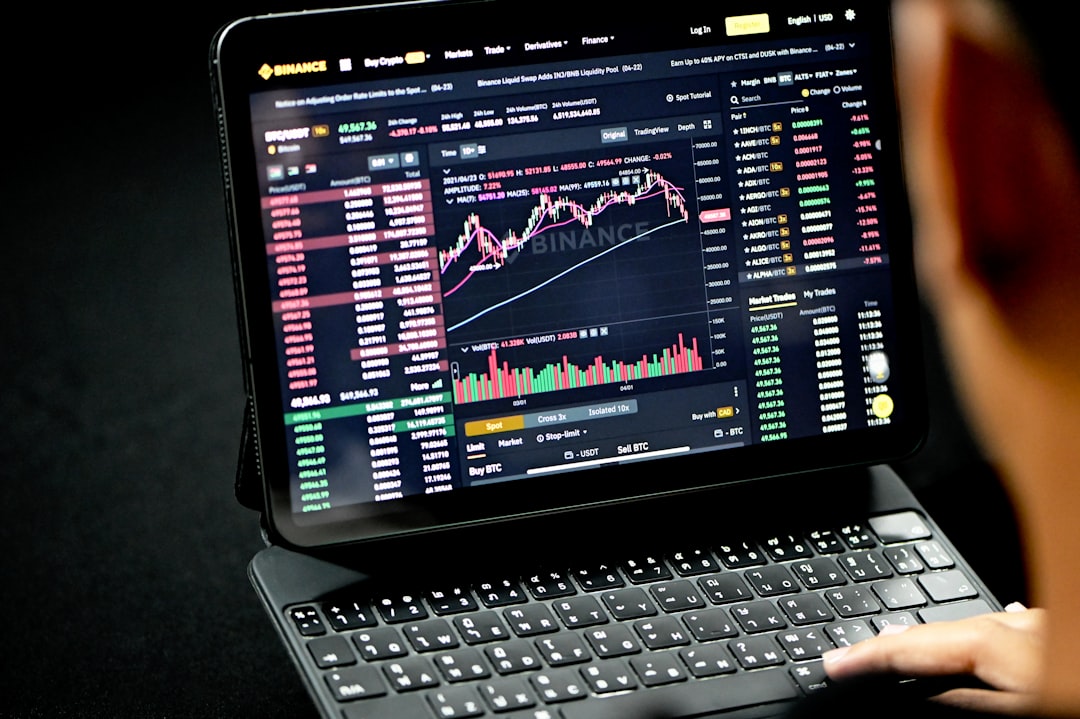
Blockchain technology was originally perceived as anonymous and difficult to regulate. In reality, public blockchains are highly transparent. The challenge lies not in accessing data, but in interpreting it at scale. Enterprise analytics platforms transform raw ledger entries into:
- Actionable compliance alerts
- Regulatory investigation reports
- Sanctions exposure assessments
- Fraud and money laundering detection insights
As regulatory frameworks evolve across the United States, European Union, and Asia-Pacific regions, organizations must demonstrate proactive crypto risk management. Failing to detect exposure to sanctioned wallets, ransomware payments, or darknet marketplaces can result in severe financial penalties and reputational damage.
Moreover, institutional adoption of digital assets continues to grow. Hedge funds, custodians, and payment processors now handle significant volumes of crypto transactions. Without proper analytics infrastructure, managing compliance risk becomes nearly impossible.
Choosing the Right Platform
Selecting an enterprise blockchain analytics solution depends on several factors:
- Regulatory Environment: Are you operating under strict AML supervision or lighter crypto-specific regimes?
- Transaction Volume: High-frequency platforms require scalable monitoring tools.
- Cross-Chain Exposure: DeFi engagement demands advanced multi-chain analysis.
- Integration Requirements: Banks may prioritize traditional payment system compatibility.
- Reporting Needs: Some institutions require extensive audit-ready documentation.
For global exchanges and regulators, Chainalysis offers unparalleled investigative depth. For compliance-focused institutions, Elliptic provides structured risk models. For cutting-edge crypto investigations, TRM Labs leads in cross-chain intelligence. For banks merging crypto with traditional finance, CipherTrace may offer the most seamless alignment.
The Future of Blockchain Compliance Investigations
As blockchain ecosystems become more complex—spanning Layer 2 networks, privacy protocols, and decentralized exchanges—analytics platforms will continue evolving. Expect greater automation, artificial intelligence enhancements, and deeper integration with global regulatory databases.
The future of compliance will not rely solely on reactive investigations. Instead, predictive analytics and proactive threat modeling will define enterprise-grade blockchain intelligence. Organizations that invest early in comprehensive analytics infrastructure will be better positioned to navigate regulatory shifts and technological complexity.
Enterprise blockchain analytics platforms are no longer optional tools for niche crypto firms. They are becoming foundational compliance infrastructure across modern finance—bridging transparency, accountability, and trust in the rapidly expanding digital asset economy.