 logo
logo

In the expansive world of digital content creation, video continues to reign supreme. From TikToks and YouTube shorts to in-depth documentaries and tutorials, videos have become the most engaging medium for reaching audiences. But before hitting record or opening your editing software, one critical question should be asked: Who is this video for? Defining your target audience can make or break the success of your video content.
TLDR: Know Before You Show
To achieve meaningful engagement and conversions with your video content, you must know your viewers. Defining a target audience helps guide every decision — from scriptwriting to distribution platforms. Understand demographics, psychographics, and content consumption habits to tailor relevant and captivating videos. It’s not just about who could watch your content; it’s about who should.
Why Defining Your Target Audience Matters
Without a clearly defined audience, producing video content is like throwing darts in the dark. Here’s why this step is essential:
- Focused Messaging: A clear audience allows you to tailor your tone, language, and message precisely.
- Efficient Resource Allocation: Save time and money by avoiding content that misses the mark.
- Higher Engagement: Viewers are more likely to interact with content that speaks directly to their needs and interests.
- Improved SEO & Distribution: Knowing who you’re targeting makes it easier to choose the right platforms and keywords.
Step-by-Step Guide to Defining Your Target Audience
1. Start With Your Product or Message
Before identifying who you’re targeting, define what you’re offering. Ask yourself:
- What is my video’s purpose? (educate, entertain, convert, inspire)
- What product, service, or message is my video promoting?
- What value does this provide the viewer?
Your answers will shape the type of people who might require or appreciate that value.
2. Identify Demographics
Demographics are the foundational data points used to narrow down your viewer base. These typically include:
- Age: Are you targeting teens, millennials, or baby boomers?
- Gender: Is your content more suitable for a specific gender?
- Location: Are you focusing on a global audience or a localized region?
- Income Level & Job Role: What is the financial or professional status of your ideal viewer?
- Education Level: Are you speaking to experts or beginners?
These metrics help refine your audience and reduce scattershot targeting.
3. Dig Into Psychographics
While demographics tell you who your audience might be, psychographics reveal the why. This includes:
- Interests and hobbies: What does your viewer enjoy doing?
- Values and beliefs: Do they care about sustainability, luxury, technology?
- Lifestyle and habits: Are they always online? Do they binge-watch content or prefer short-form?
- Pain points: What problems are they trying to solve?
Merging this data with demographics creates detailed audience personas that guide creative decisions.
4. Analyze Your Existing Audience
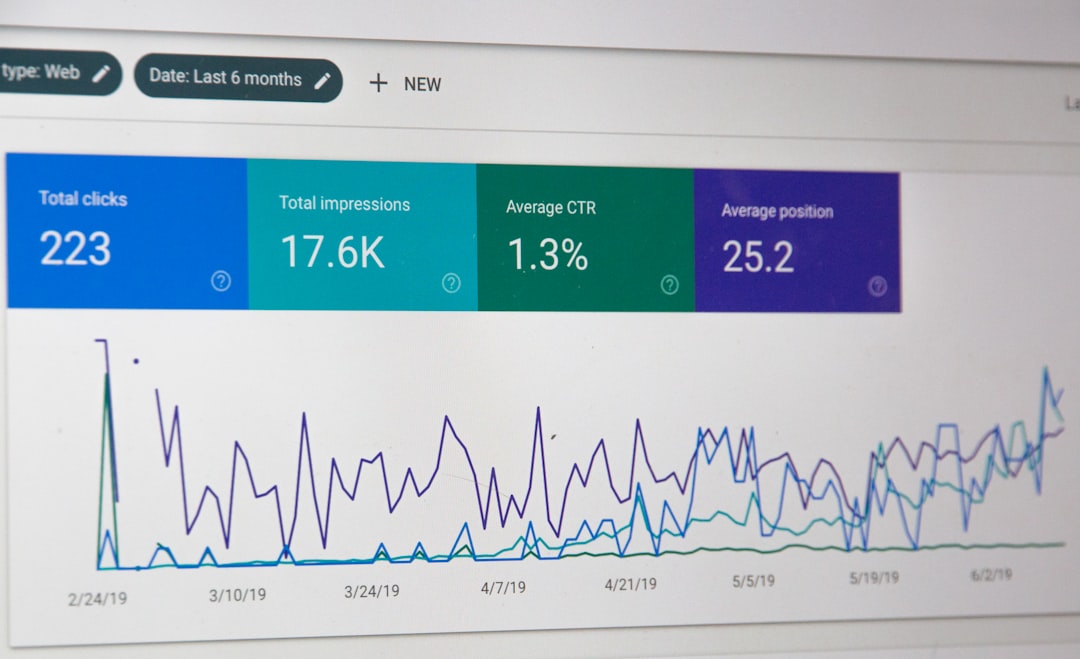
If you already have published videos, dive into the analytics. Platforms like YouTube, Instagram, and Facebook provide insight into:
- Viewer age and location
- Average watch time
- Engagement rates
- Popular traffic sources
These analytics help you understand who’s currently watching — and if they match your ideal audience or not.
5. Spy on Your Competitors
Your competitors can offer clues about your shared audience. Analyze their videos and ask:
- Who is commenting and engaging with their content?
- What types of videos get the most traction?
- How are they appealing to their viewers visually and narratively?
You don’t want to copy, but observing patterns can spark ideas and refine your strategy.

6. Use Customer or Viewer Personas
Once you gather your data, summarize your insights into one or more customer personas.
Example Persona:
- Name: Sarah the Busy Mom
- Age: 35
- Location: Suburban area in the U.S.
- Interests: Family health, time-saving kitchen hacks, fitness
- Pain Point: Not enough hours in the day to research solutions
- Preferred Platforms: YouTube, Facebook, Instagram
Creating 2–3 such personas keeps you aligned during production.
7. Choose the Right Platforms
Every video platform attracts different demographics and viewer behaviors. Align your message with where your audience already spends time:
- YouTube: Ideal for evergreen content, tutorials, and in-depth discussions.
- Instagram Reels & Stories: Great for brand awareness, visuals, and updates for younger audiences.
- Facebook: Still effective for longer-form content and older demographics.
- TikTok: Perfect for young, trend-savvy users with short attention spans.
Common Mistakes to Avoid
1. Trying to Reach Everyone: If you try to speak to everyone, you end up speaking to no one. Avoid being too general.
2. Ignoring Platform Dynamics: A viral TikTok idea may flop on YouTube. Consider audience content consumption habits.
3. Failing to Adapt: Your audience may evolve. Always revisit analytics and trends to adjust targeting.
Continually Refine with Feedback
Audiences grow, trends shift, and platforms evolve. Effective content creators regularly solicit feedback through comments, polls, and direct outreach. Experiment, test and iterate. Sometimes what works today won’t tomorrow.
Use A/B testing, try different messaging, formats, and thumbnails to monitor which combination resonates most. Be open to pivoting as you learn more about your audience.

Conclusion: Your Audience is Your Compass
Defining a target audience isn’t a one-and-done task. It’s an ongoing process that influences your creative direction, distribution strategy, and overall success. The better you understand who your viewers are, the more you can deliver compelling content that resonates with them on a personal level.
Stop guessing. Start researching, strategizing, and connecting. Let your audience lead the way — because knowing who you’re talking to is the first step to being heard.
