 logo
logo
Running a dropshipping business feels like flying. You don’t need to hold inventory. You don’t need a warehouse. But fast forward a few months, and you’re left wondering…
“Where did all my profits go?”
You’re making sales. Customers love your products. But when you check your bank balance, it barely moved. Welcome to the painful reality of hidden costs, app overload, and aggressive ad spending.
TLDR (Too Long, Didn’t Read)
- Many dropshipping stores lose profits to excessive app fees and bloated ad costs.
- Having too many apps can slow down your store and increase monthly overheads.
- Smart sellers who conducted app audits trimmed down their tech stack and cut costs by 30% or more.
- Optimizing the app stack and ad spending revived profit margins and performance.
So, Why Do Profit Margins Disappear?
The biggest profits aren’t lost in shipping or suppliers. They melt away through small monthly app fees and poor advertising strategies.
Here are the culprits:
- High ROAS expectations: Many owners overspend to “buy” growth.
- App overload: Dozens of apps running at the same time, many doing the same task.
- Feature fatigue: Too many tools making things more complicated, not easier.
- Speed kills (your store): Each app can slow down your site, increasing bounce rates.
It’s death by a thousand monthly charges. Each app might only be $9.99… but 10 apps later, that’s $100. Every single month!

Meet the Real Villain: The App Stack
Dropshipping store owners love apps. Want social proof? Add an app. Need popups? There’s an app. Abandoned cart reminder? App!
Before they know it, sellers are running 15+ apps. Some are on free trials but most convert to paid plans after a month. The worst part? Many never check back to see if the apps are worth it.
Here’s What Typically Happens
- Store launches: You install a few “must-have” apps for conversions and design.
- You read a blog post: “Top 10 CRO tools” and add even more apps.
- Sales come in: But you now need email marketing, upsells, retargeting…
- You add more solutions: Each promising to increase sales and ROI.
- Monthly revenue plateaus: But your costs keep rising.
Before you know it, your profit has vanished.
The Ad Spend Spiral
Let’s not forget how much dropshippers rely on ads, especially Facebook and TikTok Ads. These platforms are performance-based, which means if your ad isn’t converting, you’re just burning money.
Here’s an uncomfortable truth:
If your ads cost $2,000 to make $2,200 in sales, you’re not profiting — you’re patching holes.
Once you include the cost of:
- Apps
- Transaction fees
- Product cost
- Shipping fees
- Chargebacks and refunds
Your $200 profit becomes… a loss.

One Store Owner’s Wake-Up Call
Let’s look at Sam, a typical dropshipper. He sells fitness gear. Sales are decent — $10,000/month. But after all expenses, he kept only $450.
Here’s what a breakdown looked like:
- Product costs: $4,000
- Ad spend: $3,000
- App subscriptions: $600
- Payment processing: $300
- Misc costs: $650
Sam was working 6 hours a day… for less than $3/hour in profit.
Something had to change.
How Sellers Turned It Around
Clever dropshippers realized that slashing costs was the fastest way to breathe life back into their store. So, they did something powerful:
App Stack Audits
This is not just uninstalling two apps. It’s a full check-up of your store’s backend.
Steps to Audit Your App Stack:
- Make a list: Export a CSV or write down all the apps you’re using.
- Check cost vs value: Look at how much each app costs and what it does.
- Find overlaps: Many apps cover the same features. Remove duplicates.
- Speed test: Use GTMetrix or Pingdom to see if apps are slowing your site.
- Pare down: Keep only the essential apps that pay for themselves.
Sam removed 9 apps. That saved him $430/month. Almost an entire extra product’s worth of profit each month — without increasing sales.
Redefining Ad Strategy
Instead of trying to scale with brute force, smart sellers now:
- Double down on creatives that convert.
- Test on smaller budgets.
- Retarget hot traffic instead of cold audiences.
- Use UGC (user-generated content) to improve ad trustworthiness.
Sam migrated to a blended campaign using a cheaper ad platform like Pinterest, allocating only $500/week instead of $750.
Add Automation, Not Just Apps
Want apps that actually help your bottom line? Focus on ones that automate tasks and reduce manual work — not just “decorate” your store.
Best App Types That Pay for Themselves:
- Email marketing automation: Abandoned cart, welcome flows, and drip campaigns.
- Post-purchase upsell: Boost average order value.
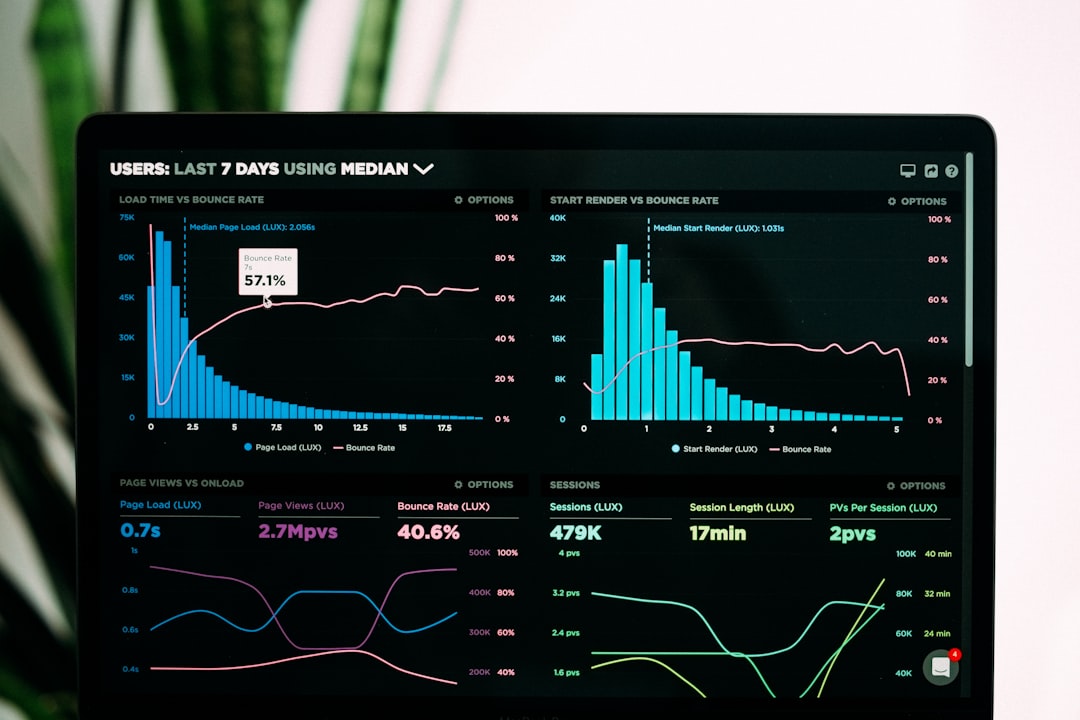
- Analytics dashboard: Know what’s draining — or growing — your ROI.
Any app that earns more than it costs stays. Anything else? You’re donating money every month.
What to Do Right Now
Still with us? Awesome. Here’s your quick action plan, simplified:
- Check your latest Stripe or PayPal statement: How many fees?
- Run an app list audit: Remove anything that’s not pulling weight.
- Set a fixed weekly ad budget: Test small, then scale what performs.
- Review your store speed: Compress images, remove heavy apps, and tidy code.
Final Thoughts
Profit doesn’t come from just selling more. It comes from keeping more of what you sell.
The secret weapon of the most successful dropshippers? Simplicity. They run lean, monitor spending, review apps monthly, and test ads wisely.
So if your margins vanished, the answer isn’t in selling more. It’s in spending less — on what no longer serves you.
Audit. Optimize. Thrive.