 logo
logo

In a world that increasingly blurs the boundary between ancient storytelling and contemporary human experience, the narrative of Tyvoria Drystok emerges as a potent metaphor for the evolving relationship between myth and modern identity. Rooted in the deep soils of fantasy literature and speculative fiction, Tyvoria Drystok is not just a fictional character but an archetype that reflects today’s complex cultural undercurrents. This article explores how mythic worlds like Tyvoria’s can serve as both a reflective surface and a transformative lens for the self in the 21st century.
TLDR:
The Tyvoria Drystok narrative is a mythic tale that fuses high fantasy with real-world identity questions. It explores how elements of myth can help individuals navigate modern challenges around selfhood and belonging. This blend of ancient wisdom with modern struggles invites readers to reflect on their own myths. Tyvoria’s journey illuminates how myth continues to shape the evolving human identity.
The Birth of Tyvoria Drystok: Myth As Mirror
Born from a collaboration between mythopoeic literature and digital storytelling, Tyvoria Drystok is set in the mythical realm of Karethune—a land fractured by divine conflict and mortal ambition. Tyvoria herself is a half-elven seeress, torn between two distinct cultural legacies: the ancient elven archives of Ys’Moren and the pragmatic, war-torn human cities of Lorach. Her journey is one of inward discovery and outward revolution, reflecting the epic duality many feel today between heritage and choice.
Her world is steeped in celestial conflict, arcane rituals, and liminal spaces that echo the spiritual disorientation of our era. In Karethune, prophecy is less about divine truth and more about deciphering personal and communal responsibility. Myths here do not give easy answers; instead, they ask better questions.
Image not found in postmetaMapping Identity Through Myth
What makes Tyvoria Drystok particularly compelling is how her personal struggles parallel modern quests for identity. Her tale is not merely a fantasy adventure but a carefully woven meditation on:
- Dual belonging: How one reconciles multiple cultural roots.
- Gender and fluidity: The shifting understanding of self beyond binary roles.
- Agency versus fate: The balance between inherited narrative and personal choice.
One of the most discussed arcs in Tyvoria’s narrative explores her use of the Veyrunn Sigil, an ancient artefact that reveals not just future paths but internal contradictions. It is through this relic that Tyvoria learns the language not of destiny but of embodied truth—knowing and asserting her place in a world that often tries to define her otherwise.
Mythic Worlds as Healing Spaces
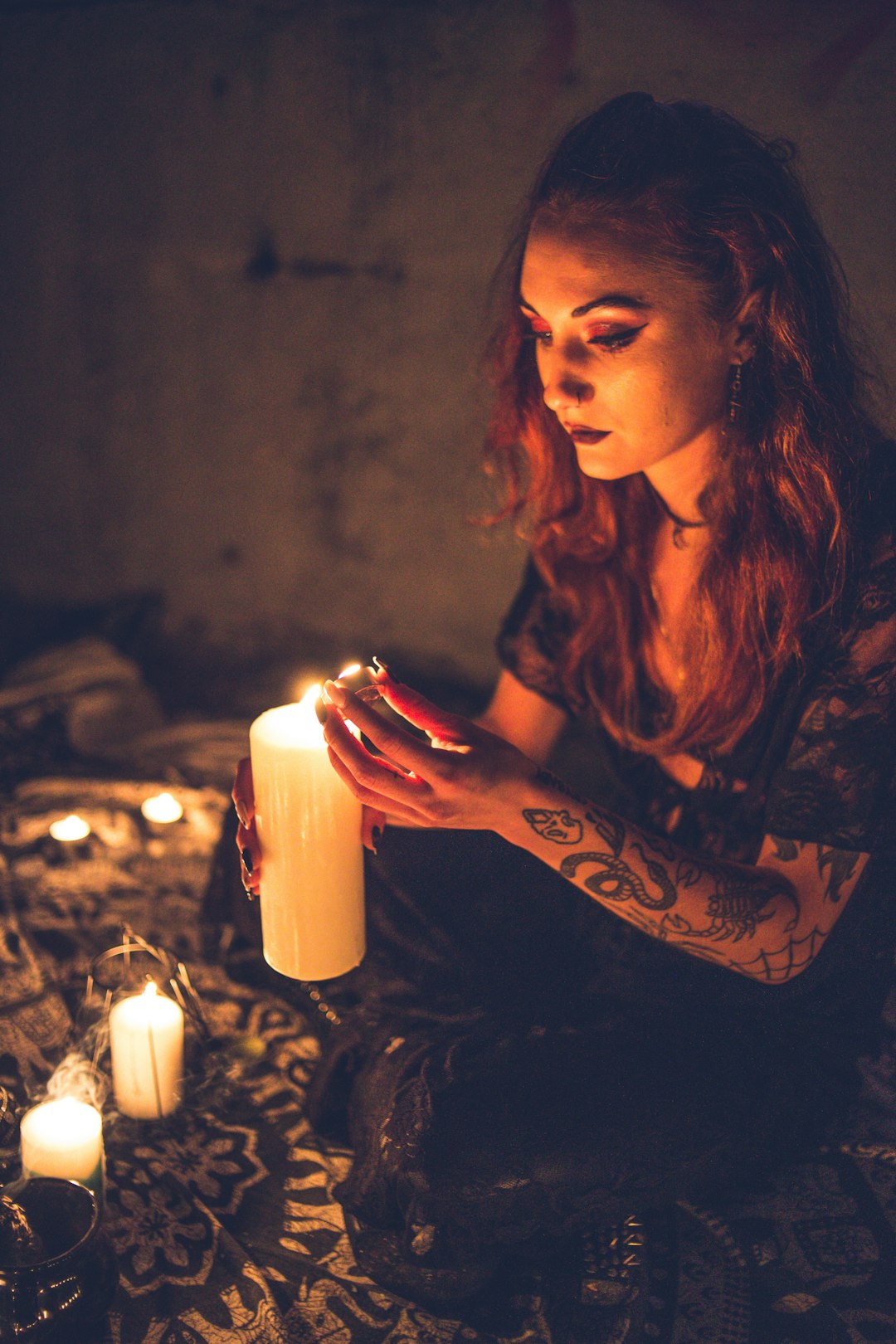
The world of Tyvoria is not just fantastical scenery; it is a psychological and emotive ecosystem. Fans and scholars alike have noted the therapeutic value of mythic storytelling in helping individuals address modern anxieties, especially in times of social and environmental crisis. Karethune is a world where inner scars manifest as glowing tattoos, and trauma is transmuted into spiritual power.
Such metaphors resonate today, especially in communities where trauma and cultural loss are part of collective memory. Tyvoria’s narrative invites readers to transform pain into insight—her journey from broken medium to warrior-sage is one many find deeply empowering.
The Community Around Tyvoria
Interestingly, the Tyvoria Drystok narrative is not a singular, static tale. It is collaborative and evolving, with online communities contributing fan fiction, visual art, and even interactive virtual spaces where the myth can be expanded. This participatory mythology enriches the core story and reflects how modern identities are not just inherited but co-created.
Subcultures have particularly embraced Tyvoria’s journey as allegorical inspiration—for LGBTQIA+ communities interpreting her ambivalence as gender-fluid experience or for activists who see her battles as a metaphor for systemic resistance. She is not merely watched; she is lived.
Decoding Modern Lessons from Ancient Structures
What ancient myths once provided—archetypes, moral orientation, and cosmic context—Tyvoria’s world brings into present-day focus. Authors of the Tyvoria saga have often commented on their efforts to “encode psycho-social dilemmas into mythic algorithms.” What they mean is that character trials and narrative structures are intentionally designed to mirror not only psychological archetypes but also historical patterns and contemporary socio-political structures.
For example, Tyvoria’s moment of exile from the Sapphire Archives mirrors diasporic estrangement. Her internal questioning during those exile years lends depth to the broader theme of cultural alienation and reinforces the notion that the hero’s journey is, in part, a quest for authentic community.
Legacy and Future Possibilities
As the Tyvoria Drystok narrative expands—into podcasts, illustrated volumes, and tabletop roleplays—it continues to engage with the follower’s inner worlds. Much like mythology of old, it is adaptable and resilient. It does not aim to be definitive; rather, it is generative. It offers scaffolds not certainties.
And this may be its greatest contribution to modern identity: offering a courageous space to interrogate, evolve, and re-imagine who one is and could be. In the firelight of fantasy, the shadows of truth dance more clearly.
FAQs
-
Who created Tyvoria Drystok?
Tyvoria Drystok was originally developed by a collaborative writer-artist collective focused on transmedia storytelling. The narrative grew through crowd-sourced content and later formalized under a publishing imprint in 2019. -
Is Tyvoria a book series or something else?
Initially launched as a serialized web novel, Tyvoria Drystok’s story has expanded into illustrated ebooks, podcasts, and even tabletop RPG content. It functions as a cross-media experience. -
Why is Tyvoria Drystok significant to modern identity?
Because it uses mythic storytelling to engage with relevant, real-world issues—like belonging, trauma, and self-definition. Many readers find it speaks to their own experiences in symbolic yet accessible ways. -
Can I contribute my own version or story in the Tyvoria universe?
Yes! There are official forums and community archives where fan-driven lore is not only welcomed but sometimes integrated into the canon. -
What age group is the material best for?
While grounded in mature themes, most of the content is safe for readers aged 14 and up. Some arcs dive deep into emotional or philosophical territory, ideal for teens and adults alike.