 logo
logo

Artificial intelligence has moved beyond software and cloud platforms to become a defining feature of modern hardware. In 2025, AI-powered devices are shaping how people work, create, communicate, and manage their homes and health. From personal assistants that reason in real time to edge devices that process data locally, the current generation of AI hardware reflects a shift toward smarter, more autonomous technology embedded directly into everyday life.
TL;DR: In 2025, AI devices have become faster, more personal, and more context-aware than ever before. Smart wearables, AI PCs, home hubs, and creative tools now rely on on-device intelligence rather than constant cloud access. These devices focus on privacy, efficiency, and seamless daily use, making AI a practical companion rather than a novelty.
The Rise of Consumer AI Hardware
The most significant trend in 2025 is the mainstreaming of AI hardware designed for everyday consumers. Instead of acting as simple input-output machines, devices now contain dedicated neural processing units (NPUs) that handle inference locally. This shift reduces latency, improves privacy, and allows AI features to function even when offline.
Manufacturers are no longer advertising raw specifications alone. Instead, they emphasize what devices can understand and anticipate. Context awareness, adaptive learning, and natural interaction are now standard expectations.
AI Copilot Laptops and Desktops
AI-powered PCs are among the most influential devices of 2025. Equipped with advanced NPUs, these systems can run large language models, vision models, and automation tools directly on the device. They assist with writing, coding, research, and system optimization without needing constant cloud connectivity.
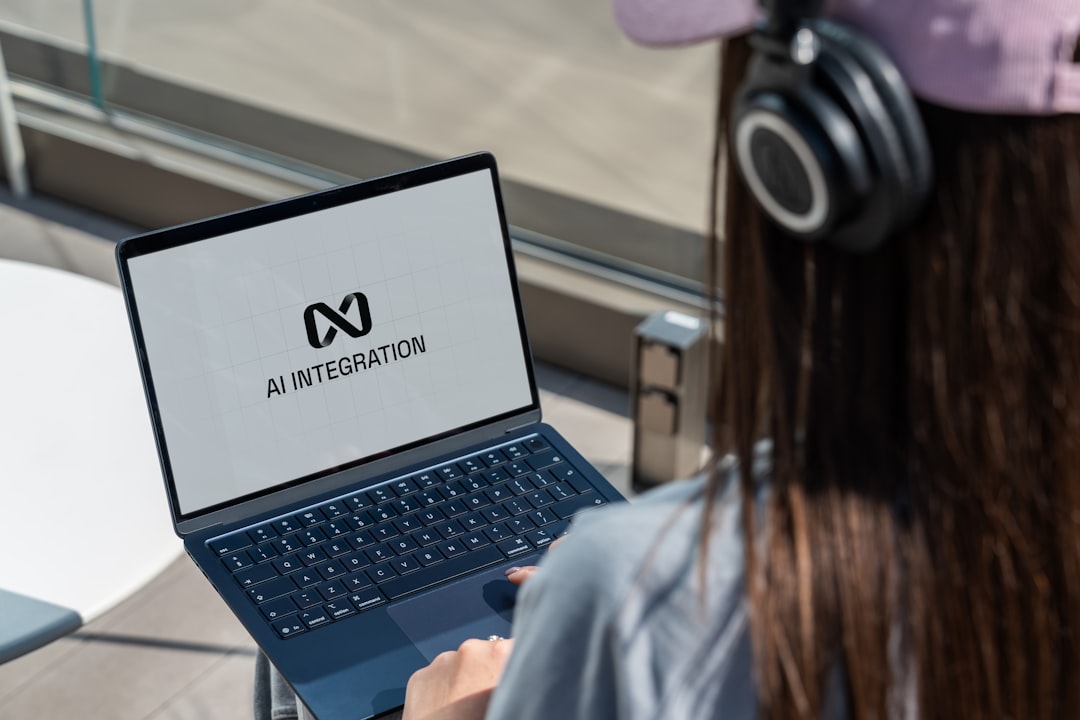
Key features typically include:
- On-device language models for drafting, summarizing, and brainstorming
- Real-time transcription and translation for meetings and calls
- Adaptive performance tuning that balances speed and battery life
- Contextual file search using natural language queries
These computers are especially popular among professionals who value privacy and responsiveness, as sensitive data does not need to be sent to external servers.
Next-Generation Smart Glasses
Smart glasses in 2025 have evolved far beyond earlier experiments. Modern models are lightweight, stylish, and powered by embedded AI that enhances perception rather than distracting from it. Instead of full augmented reality overlays, these devices focus on subtle, helpful information.
AI glasses can:
- Identify objects, landmarks, and text in real time
- Provide live translation of signs and conversations
- Offer contextual reminders based on location and activity
- Assist visually impaired users with scene descriptions
The key advancement is edge AI processing, which keeps camera data local and enhances user trust. As a result, smart glasses are increasingly viewed as practical tools rather than experimental gadgets.
AI Home Hubs and Personal Assistants
The smart home has become more intelligent and less reactive. AI home hubs in 2025 combine voice interaction with predictive automation. Rather than waiting for commands, these devices learn household routines and adjust lighting, temperature, and security proactively.

Modern AI assistants are notable for their improved conversational abilities. They remember preferences across interactions and can reason through multi-step requests. For example, a user can ask for help planning an evening, and the assistant may adjust lighting, suggest a meal, and queue entertainment accordingly.
Important improvements include:
- Multi-user recognition without manual profiles
- Offline command handling for essential functions
- Stronger privacy controls and local data storage
Wearable AI Health Devices
Health-focused AI wearables are among the most impactful devices of 2025. Smartwatches, rings, and fitness bands now analyze biometric data with clinical-level sophistication. Rather than presenting raw metrics, they generate actionable insights.
Typical AI-driven health features include:
- Early detection of irregular heart patterns
- Personalized sleep coaching based on long-term trends
- Stress and recovery analysis using multiple signals
- Predictive alerts when health risks increase
These devices increasingly collaborate with healthcare professionals, allowing users to share summarized insights instead of overwhelming datasets.
AI Creative Tools and Dedicated Devices
Creative professionals are embracing AI-specific devices designed for art, music, and media production. These tools often combine specialized hardware with embedded generative models, enabling real-time collaboration between human creativity and machine assistance.

Examples of creative AI capabilities include:
- Image and video generation guided by sketches or prompts
- Music composition support that adapts to a creator’s style
- Automated editing with manual fine-tuning
Unlike general-purpose computers, these devices emphasize tactile controls and visual feedback, making AI feel like a natural extension of the creative process.
AI-Powered Robotics for Personal Use
Personal robotics have also benefited from advances in embedded AI. In 2025, small household robots are capable of navigating complex environments, understanding spoken instructions, and learning from repeated tasks.
Common applications include:
- Autonomous cleaning and maintenance
- Assistance for elderly or mobility-limited users
- Package handling and indoor delivery
These robots rely heavily on on-device vision and planning models, allowing them to respond immediately to changing conditions without external guidance.
Why On-Device AI Matters in 2025
A defining feature across all top AI devices in 2025 is the emphasis on local intelligence. On-device AI offers several advantages:
- Lower latency and faster responses
- Improved privacy since data stays local
- Greater reliability without constant internet access
- Reduced energy consumption compared to cloud reliance
This approach aligns with growing consumer awareness about data security and the desire for technology that works seamlessly in the background.
Looking Ahead
The AI devices of 2025 illustrate a broader shift in computing philosophy. Instead of asking users to adapt to machines, these devices adapt to people. As hardware continues to evolve alongside more efficient AI models, the boundary between digital intelligence and daily life will become increasingly subtle.
Frequently Asked Questions
-
What defines an AI device in 2025?
An AI device in 2025 typically includes dedicated hardware for running machine learning models locally, enabling intelligent behavior without constant cloud access. -
Are AI devices safe for personal data?
Most modern AI devices emphasize on-device processing, which improves privacy by keeping sensitive data local and minimizing data transmission. -
Do AI devices require internet connectivity?
While many features benefit from internet access, core AI functions in 2025 often work offline thanks to embedded models. -
Are AI-powered devices expensive?
Prices vary, but increased adoption and competition have made many AI features accessible in mid-range consumer products. -
Will AI devices replace traditional computing?
Rather than replacing it, AI devices are augmenting traditional computing by making interactions more natural and context-aware.