 logo
logo

In the fast-moving world of ecommerce, success is rarely accidental. Behind every top-performing product lies detailed research, strategic pricing, and deep analytical insight. Whether you are selling on Amazon, Shopify, Etsy, or running a multichannel brand, using the right ecommerce tools can mean the difference between scaling profitably and struggling to compete. Today’s market demands data-driven decisions, and fortunately, there are powerful tools designed specifically to help sellers identify winning products, set optimal prices, and track performance with precision.
TLDR: The best ecommerce tools for product research, pricing, and analytics help sellers make smarter, data-driven decisions. Platforms like Jungle Scout, Helium 10, and Terapeak uncover high-demand, low-competition products. Pricing tools such as Prisync and RepricerExpress optimize profitability in competitive markets. Advanced analytics tools like Google Analytics and Triple Whale turn raw data into actionable growth strategies.
Let’s dive into the essential categories of tools and explore which ones stand out—and why they matter for modern ecommerce sellers.
1. Product Research Tools: Finding What Actually Sells
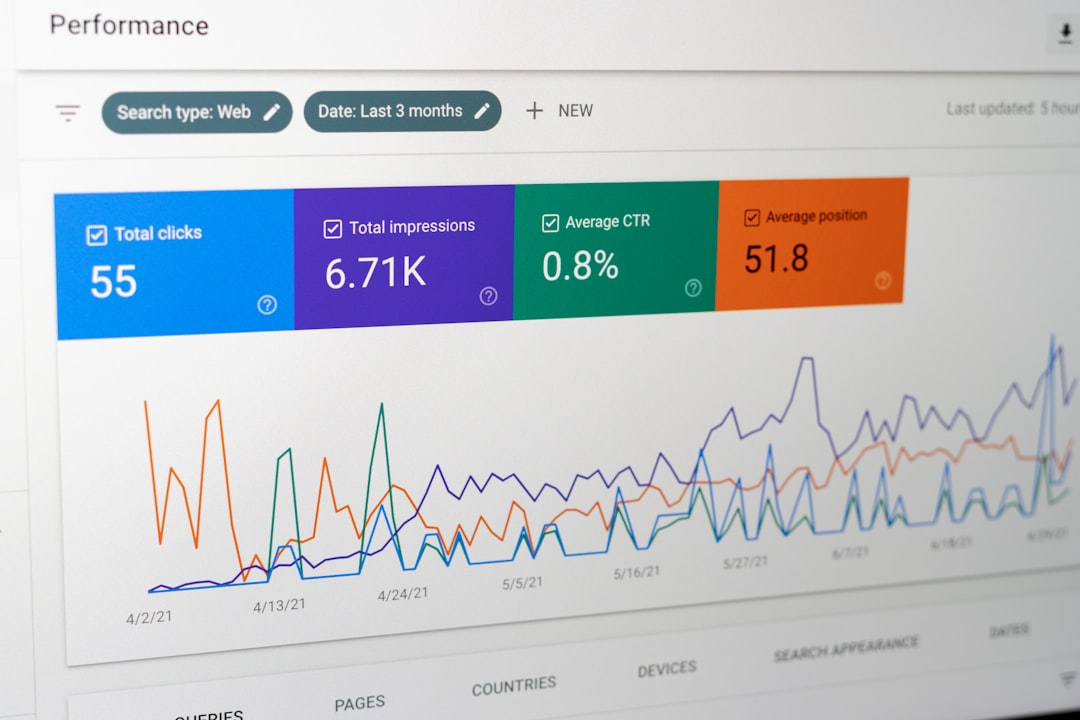
Product research is the foundation of ecommerce success. Without identifying demand, competition levels, and profit margins beforehand, sellers risk launching products that fail to gain traction. Product research tools analyze marketplace data, search trends, and sales estimates to reveal profitable opportunities.
Top Product Research Tools
- Jungle Scout – A leading tool for Amazon sellers, offering product databases, sales estimators, and competitor tracking.
- Helium 10 – A comprehensive suite with keyword research, trend tracking, and in-depth listing insights.
- AMZScout – Known for accurate sales estimates and supplier database features.
- SellerApp – Provides PPC insights alongside strong market research data.
- Terapeak (for eBay) – Offers historical sales data to analyze demand trends.
These tools help answer key questions such as:
- Is there consistent demand for this product?
- How competitive is the niche?
- What are the estimated monthly sales and revenue?
- Are there seasonal fluctuations?
Why it matters: Launching a product without research is like opening a store in a deserted alley. Data-backed insights dramatically reduce risk and increase the probability of success.
2. Keyword & Trend Analysis Tools
Discovering a product is only half the battle. Customers must be able to find it. Keyword and trend analysis tools help sellers optimize product listings and capitalize on search behavior.
Understanding consumer intent allows you to create listings that rank higher in search results while matching what buyers are actively looking for.
Recommended Tools
- Google Trends – Identifies trending search terms and seasonal spikes.
- Helium 10 Cerebro – Reverse ASIN tool to uncover competitor keywords.
- Ahrefs – Powerful keyword research for ecommerce SEO.
- Semrush – Excellent for competitor keyword tracking and content optimization.
By combining keyword data with product research tools, sellers can identify underserved niches and position themselves strategically.
3. Pricing Tools: Compete Without Killing Margins
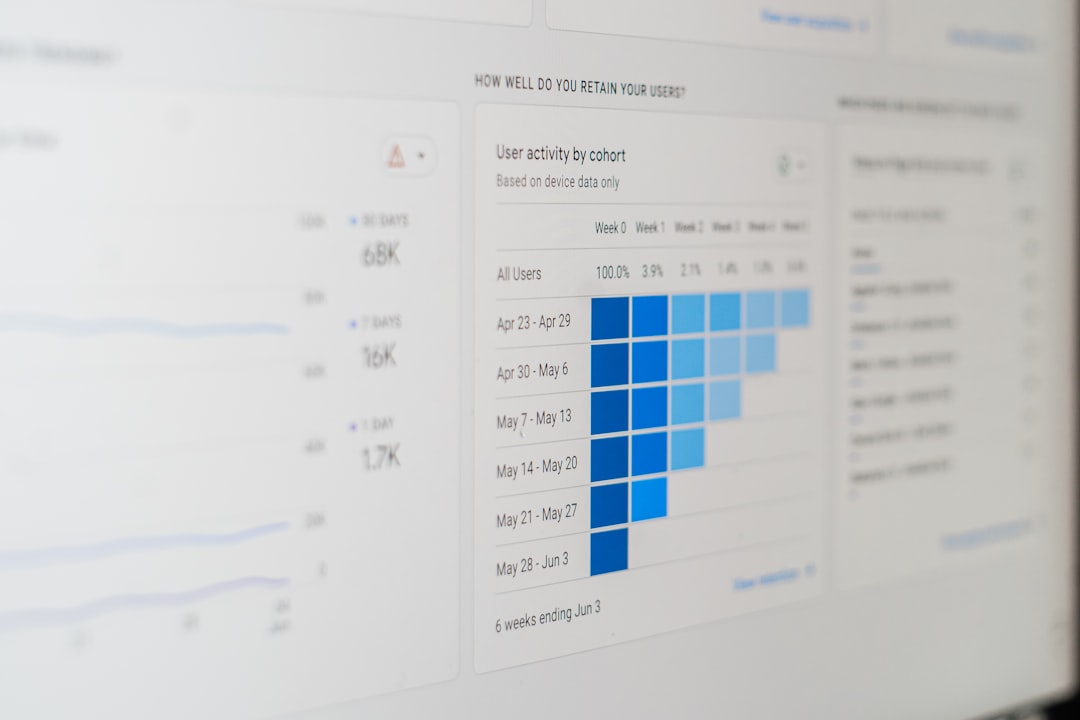
Price is one of the most sensitive levers in ecommerce. Too high, and customers walk away. Too low, and profits evaporate. Dynamic pricing tools automate and optimize this balance.
Leading Ecommerce Pricing Tools
- Prisync – Tracks competitor prices and automates dynamic pricing adjustments.
- RepricerExpress – Designed for Amazon and eBay sellers competing for Buy Box positions.
- Feedvisor – AI-driven repricing and revenue intelligence.
- Price2Spy – Competitor price monitoring across marketplaces.
Dynamic pricing solutions often include:
- Automated price rules
- Competitor tracking
- Buy Box optimization
- Minimum margin protection
Why pricing tools matter: Markets move constantly. Manual pricing adjustments can’t keep up with algorithmic competitors. Automated repricing protects profitability while maintaining competitiveness.
4. Analytics Tools: Turning Data into Growth
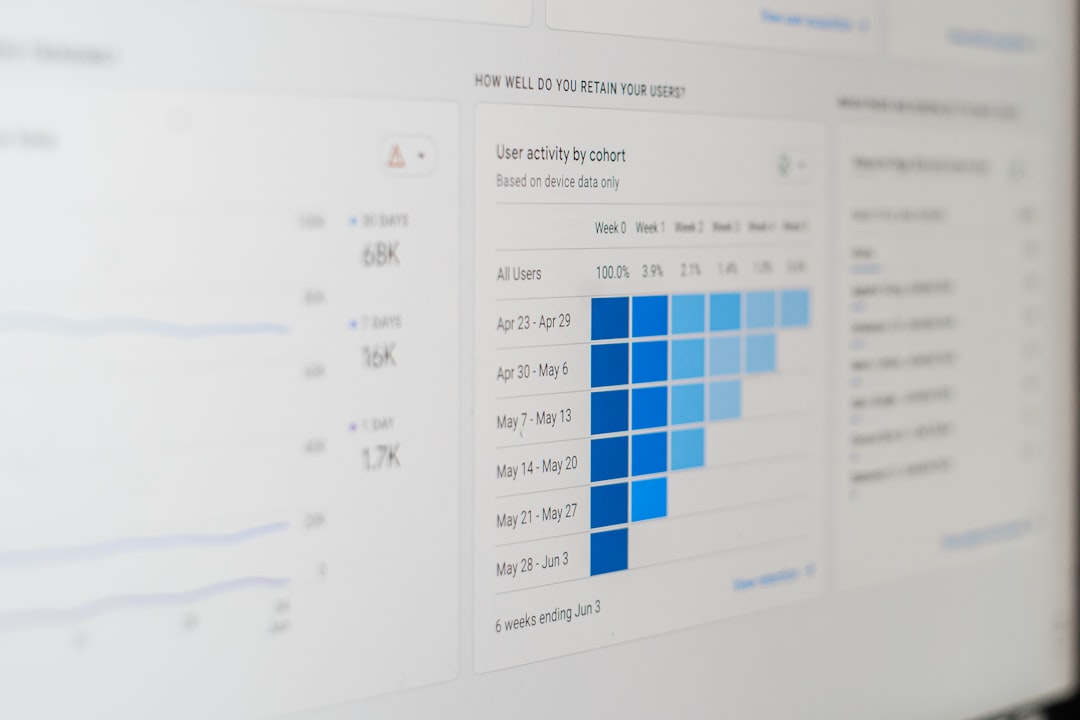
Once products are live and priced correctly, analytics determines what happens next. The best ecommerce analytics tools transform complex data into actionable insights.
Analytics platforms allow you to track:
- Customer acquisition costs
- Conversion rates
- Customer lifetime value (CLV)
- Traffic sources
- Cart abandonment rates
Top Ecommerce Analytics Tools
- Google Analytics 4 – A free and powerful tool for website traffic analysis.
- Shopify Analytics – Built-in reporting designed for Shopify store owners.
- Triple Whale – Popular with DTC brands for tracking multi-channel performance.
- Daasity – Advanced data aggregation across sales platforms.
- Supermetrics – Connects data sources to visual dashboards.
The power of analytics lies in interpretation. Raw data alone does nothing. But understanding which campaigns generate the highest ROI or which products drive repeat purchases can shape powerful growth strategies.
5. Competitor Analysis Tools
Ecommerce doesn’t exist in a vacuum. Your competitors influence pricing, positioning, and advertising costs. Competitor research tools help you learn from their strategies—and outperform them.
- Similarweb – Traffic insights and competitor benchmarks.
- SpyFu – Reveals competitor ad strategies.
- AdSpy – Tracks successful social media ads.
Studying competitors helps you:
- Identify pricing gaps
- Spot advertising angles
- Analyze product bundles
- Discover new customer segments
6. Inventory & Profit Tracking Tools
Profitability often declines not because of poor sales—but because of overlooked costs. Inventory management and profit tracking tools ensure you maintain healthy margins.
Tools to Consider
- Inventory Planner – Forecasts demand and prevents stockouts.
- SkuVault – Warehouse and inventory management.
- SellerBoard – Amazon-focused profit tracking.
- QuickBooks Commerce – Financial integration and reporting.
Key benefits include:
- Preventing overstocking and storage fees
- Avoiding stockouts and lost ranking
- Tracking true net profit after fees and ad spend
How to Choose the Right Tools
Not every seller needs every tool. The best combination depends on:
- Sales channel (Amazon, Shopify, eBay, etc.)
- Business size and revenue level
- Product catalog complexity
- Advertising strategy
- Budget constraints
A practical approach:
- Start with one strong product research tool.
- Add a pricing tool if operating in competitive marketplaces.
- Implement robust analytics once revenue grows.
- Layer advanced integrations as operations scale.
Many platforms offer free trials, allowing sellers to test functionality before committing financially.
The Future of Ecommerce Tools
The next generation of ecommerce tools is powered by artificial intelligence and predictive analytics. AI-driven features now include:
- Predictive demand forecasting
- Automated advertising optimization
- Customer segmentation analysis
- Product trend detection before saturation
Machine learning algorithms can now analyze millions of data points far faster than any human team. As ecommerce continues to grow in complexity, sellers who leverage intelligent automation will have a competitive edge.
Final Thoughts
Ecommerce today is not just about great products—it’s about great decisions. And great decisions require accurate data. Product research tools reduce risk before launch. Pricing software protects margins in competitive environments. Analytics platforms transform raw numbers into strategic growth.
Success rarely comes from guesswork. It comes from insight, testing, and continuous optimization. The right ecommerce tools don’t just save time—they provide clarity. And in a crowded marketplace, clarity is power.
By integrating the right combination of product research, pricing automation, and analytics intelligence, sellers position themselves not merely to compete—but to dominate their niche.
