 logo
logo
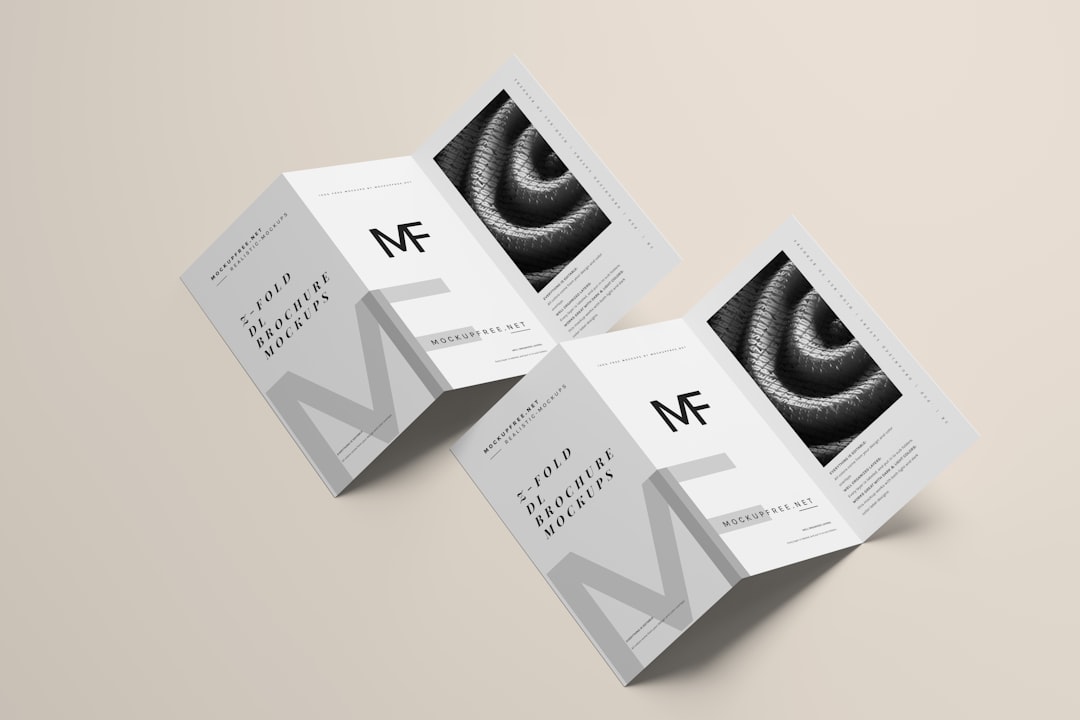
In today’s competitive business environment, a well-designed business card remains one of the most powerful tools for making a lasting impression. While digital communication dominates daily operations, the tangible exchange of a professional card communicates credibility, preparedness, and attention to detail. Choosing the right business card maker or generator can significantly influence how your brand is perceived. Whether you are an entrepreneur, freelancer, executive, or small business owner, investing in high-quality design tools ensures your card reflects your professionalism and brand identity.
TLDR: The best business card makers combine professional templates, customization flexibility, and high-quality print options. Top platforms such as Canva, Vistaprint, Adobe Express, and Moo offer reliable solutions for businesses at various budget levels. Look for tools that support brand consistency, offer premium materials, and provide intuitive design interfaces. The right choice depends on your design skills, customization needs, and desired print quality.
Why Professional Business Card Design Still Matters
A business card is often the first physical representation of your company that someone encounters. Unlike an email signature or website link, it creates a tactile experience that reinforces your brand’s seriousness and legitimacy. A poorly designed card, however, can undermine credibility within seconds.
Professional business card generators help users:
- Maintain brand consistency with logos, fonts, and color palettes
- Save time with ready-made, customizable templates
- Produce print-ready files with proper bleeds and margins
- Access premium finishes such as embossing, foil stamping, and thick cardstock
For growing businesses, these capabilities are not luxuries; they are essential branding tools.
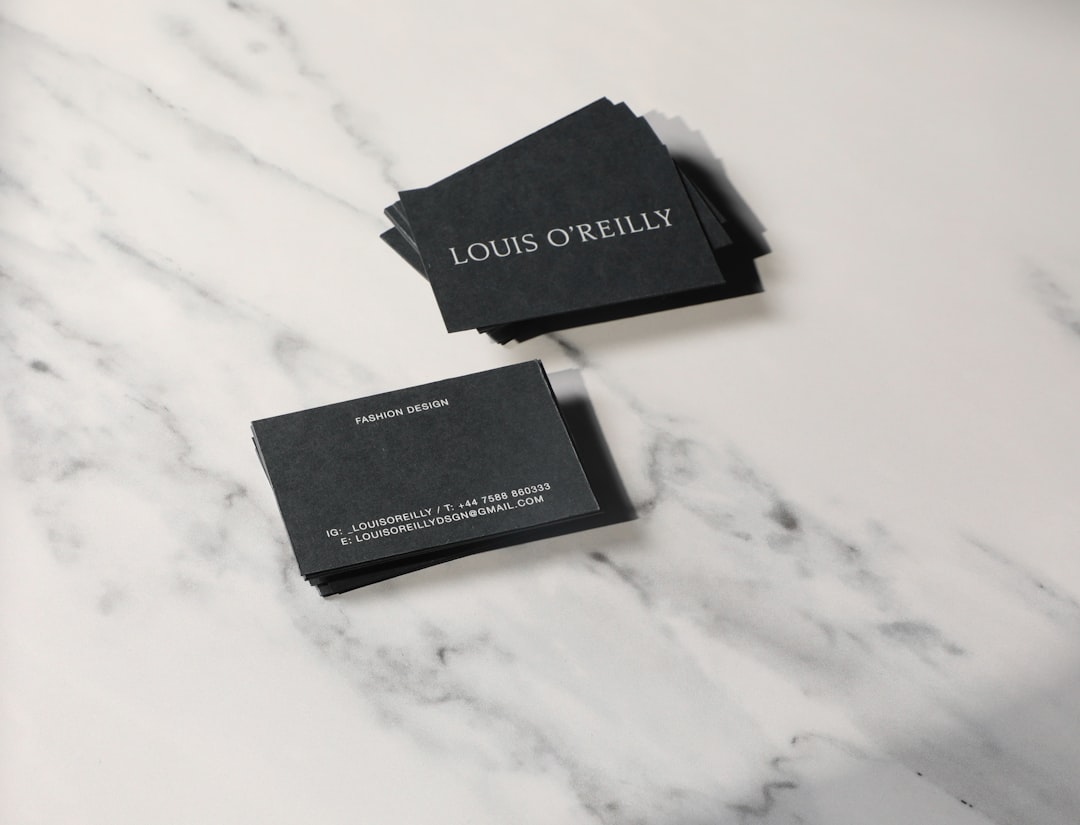
Key Features to Look for in a Business Card Maker
Not all business card generators are created equal. Before selecting a platform, consider the following criteria:
1. Ease of Use
An intuitive drag-and-drop interface allows even non-designers to create professional layouts. Clear alignment tools and spacing guides help ensure a polished final product.
2. Customization Flexibility
Advanced users may require font uploads, vector logo support, or full-bleed background designs. A good platform should not limit creative control.
3. Print Quality Options
Paper weight, matte or glossy finishes, soft-touch coatings, and specialty treatments make a substantial difference in perceived quality.
4. Pricing Transparency
Hidden fees for premium templates, high-resolution exports, or shipping can quickly inflate costs. Professional platforms clearly outline pricing structures.
5. Brand Asset Management
For businesses with multiple employees, tools that allow centralized brand management ensure uniformity across all cards.
Top Business Card Makers and Generators
The following platforms have established strong reputations for reliability, design flexibility, and print quality.
1. Canva
Canva has become one of the most popular design tools globally, and its business card generator reflects this success. It offers thousands of professionally designed templates that can be customized with your brand elements.
Key Advantages:
- Extensive template library
- User-friendly interface
- Free version available
- Direct print ordering options
Best For: Entrepreneurs and small business owners seeking affordable yet polished designs without advanced graphic design knowledge.
While Canva’s premium features require a subscription, its value proposition remains strong for small teams.
2. Vistaprint
Vistaprint is a long-standing leader in business card printing services. It combines design tools with professional-grade printing and a wide range of materials and finishes.
Key Advantages:
- Exceptional print quality
- Wide variety of paper stocks
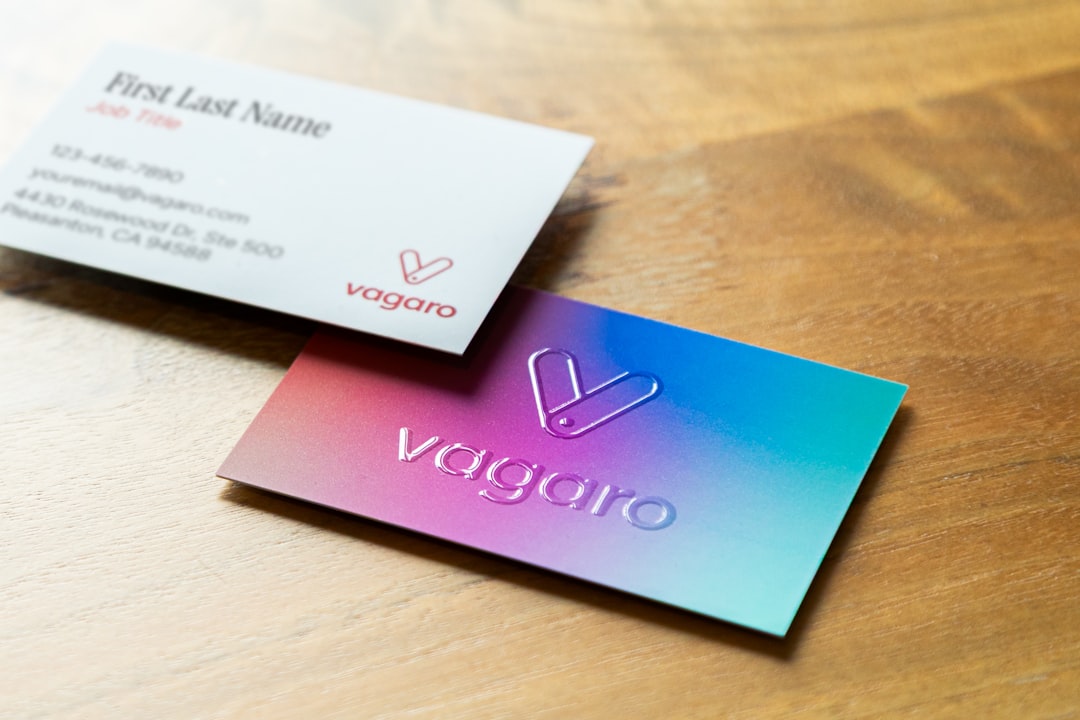
- Special finishes such as raised print and metallic accents
- Bulk ordering discounts
Best For: Businesses that prioritize premium printed materials and consistent branding.
Although its design interface is slightly less flexible than Canva’s, Vistaprint excels in manufacturing and delivery reliability.
3. Adobe Express
Adobe Express offers a streamlined design experience powered by Adobe’s creative technology. It provides higher customization capabilities than many entry-level generators.
Key Advantages:
- Professional-grade typography tools
- Integration with Adobe Creative Cloud
- Brand kit functionality
- High-resolution export options
Best For: Professionals with some design background who want more control without committing to full Adobe Illustrator workflows.
For companies already using Adobe products, Adobe Express ensures smooth brand consistency.
4. Moo
Moo differentiates itself by focusing on premium craftsmanship and distinctive card formats. From square designs to ultra-thick Luxe cards, Moo aims to make business cards memorable.
Key Advantages:
- Exceptional cardstock quality
- Unique size options
- Printfinity feature allowing multiple designs per order
- Strong brand reputation
Best For: Creative professionals, executives, and high-end brands seeking standout materials and refined aesthetics.
Moo’s pricing is higher than many competitors, but the premium feel can justify the cost for specific branding strategies.
5. Shopify Hatchful
Designed primarily for entrepreneurs launching online stores, Hatchful offers simple and fast logo and card generation.
Key Advantages:
- Completely free
- Quick setup process
- Simple templates geared toward startups
Best For: New business owners requiring immediate branding materials at minimal expense.
While Hatchful lacks advanced customization, it provides a practical starting point.
Print-Only vs. Design-and-Print Platforms
When choosing a business card solution, it is important to distinguish between platforms that specialize purely in printing and those that focus on design generation.
Print-Only Services:
- Accept fully designed files (PDF, AI, EPS)
- Offer superior finishing options
- Require design experience or external tools
Design-and-Print Platforms:
- Provide integrated templates and layout tools
- Streamline ordering process
- May limit complex customization
Businesses with in-house designers may prefer independent print shops, while smaller organizations often benefit from all-in-one solutions.
Trends in Professional Business Card Design
Professional standards continue to evolve. Modern business cards favor clarity, simplicity, and strategic use of white space.

Current design trends include:
- Minimalist layouts with focused contact details
- Monochrome color schemes for a sleek appearance
- High-contrast typography for readability
- QR codes linking to portfolios or LinkedIn profiles
- Soft-touch finishes for tactile sophistication
It is advisable to prioritize readability over excessive decoration. Overcrowded designs often diminish professionalism.
Cost Considerations and Budget Planning
Business card pricing varies widely based on design complexity, quantity, and material choices. On average:
- Basic cards: $10–$30 for 100 units
- Mid-tier quality: $30–$100 for 100–250 units
- Premium cards: $100+ depending on materials
Bulk ordering reduces cost per card, but fast-growing businesses should avoid ordering excessive quantities in case contact details change.
When evaluating return on investment, consider the card’s lifespan and impact. A premium card may cost more upfront but generate stronger impressions and business opportunities.
Best Practices for a High-Impact Business Card
Regardless of the platform selected, adhere to these principles:
- Use professional fonts and limit typography to two families
- Ensure legibility at actual print size
- Include only essential information
- Maintain consistent brand colors
- Proofread thoroughly before printing
Seemingly minor errors such as misaligned text or outdated phone numbers can significantly damage credibility.
Final Thoughts
Selecting the best business card maker or generator ultimately depends on your organization’s goals, design resources, and quality expectations. Platforms such as Canva and Adobe Express offer flexibility and cost efficiency, while Moo and Vistaprint excel in delivering premium printed materials. For startups and entrepreneurs, free tools can provide a functional starting point, but scaling businesses should consider investing in elevated designs that reflect their growth and professionalism.
In a world increasingly dominated by digital interactions, the physical business card remains a symbol of preparedness and professionalism. When created with care and printed with quality materials, it becomes more than a contact method; it becomes a compact representation of your brand values and standards. Choosing the right design platform ensures that every introduction leaves a confident and lasting impression.
