 logo
logo
QR codes have evolved from simple black-and-white squares into powerful marketing assets that connect physical and digital experiences in seconds. For brands and creators, modern QR code generators are no longer just utilities—they are strategic tools for engagement, analytics, personalization, and data-driven growth. As mobile usage continues to dominate consumer behavior, well-designed QR campaigns have become a reliable bridge between real-world touchpoints and measurable digital outcomes.
TLDR: Modern QR code generators offer far more than basic link sharing. Today’s platforms provide advanced customization, dynamic editing, analytics, integrations, and security features tailored for brands and creators. Choosing the right solution depends on scalability, tracking needs, design flexibility, and compliance standards. When implemented strategically, QR codes can dramatically enhance engagement, attribution, and offline-to-online conversion.
In an increasingly competitive digital landscape, static QR codes printed on flyers or business cards are no longer sufficient. Businesses now require dynamic management capabilities, detailed analytics, and seamless brand integration. As a result, modern QR code generators have become sophisticated SaaS platforms designed to meet enterprise-level demands while remaining accessible to independent creators.
The Evolution of QR Code Technology
Traditional QR codes were static: once generated, the underlying URL could not be changed without reprinting the code. While suitable for one-time use, they lacked flexibility and performance tracking. Modern QR generators introduced dynamic QR codes, which allow users to update destinations in real time without modifying the printed code. This shift significantly expanded QR codes’ business applications.
Today’s advanced generators now offer:
- Editable destinations without reprinting materials
- Detailed scan analytics including time, location, and device type
- Custom branding with logos, colors, and frames
- Campaign segmentation and A/B testing
- API access for automated workflows
- Security and access control for enterprise teams
What was once a simple redirect tool has become a fully integrated marketing channel.
Why Brands and Creators Rely on Modern QR Code Platforms
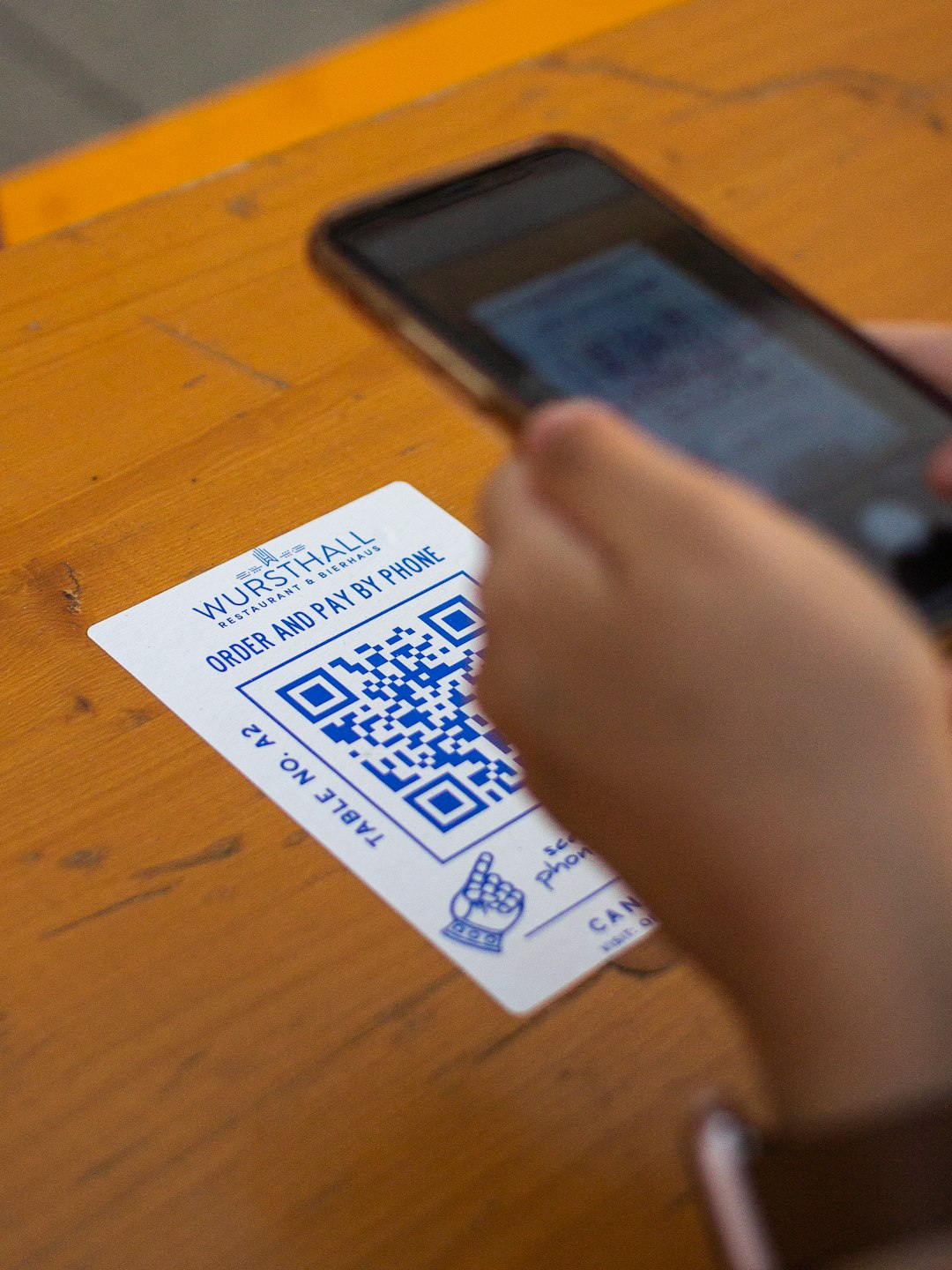
For businesses, QR codes create measurable connections between physical environments and digital journeys. Retailers use them on packaging to drive reorders, restaurants link to digital menus, and event organizers facilitate contactless check-ins. Creators, meanwhile, leverage QR codes to grow subscriber lists, promote content, and encourage social engagement.
Key benefits for brands and creators include:
1. Measurable Offline Conversions
Unlike traditional print advertising, QR scans provide actionable insights. Campaign managers can identify which posters, locations, or materials generate the highest engagement.
2. Design Consistency
Modern tools allow extensive customization. Brands can align QR codes with corporate color palettes, embed logos, and adjust corner styles to maintain visual coherence.
3. Personalized User Journeys
Advanced generators allow device-based redirects, geographic targeting, and conditional logic. For example, users in different countries can be redirected to localized content automatically.
4. Editable Campaign Control
Dynamic management ensures that product links, promotions, and landing pages stay up to date without requiring physical replacement.
Core Features to Evaluate
When selecting a QR code generator for professional use, decision-makers should prioritize the following capabilities:
Dynamic QR Code Support
This is essential for long-term campaigns. Without dynamic functionality, any mistake or expired link renders printed materials obsolete.
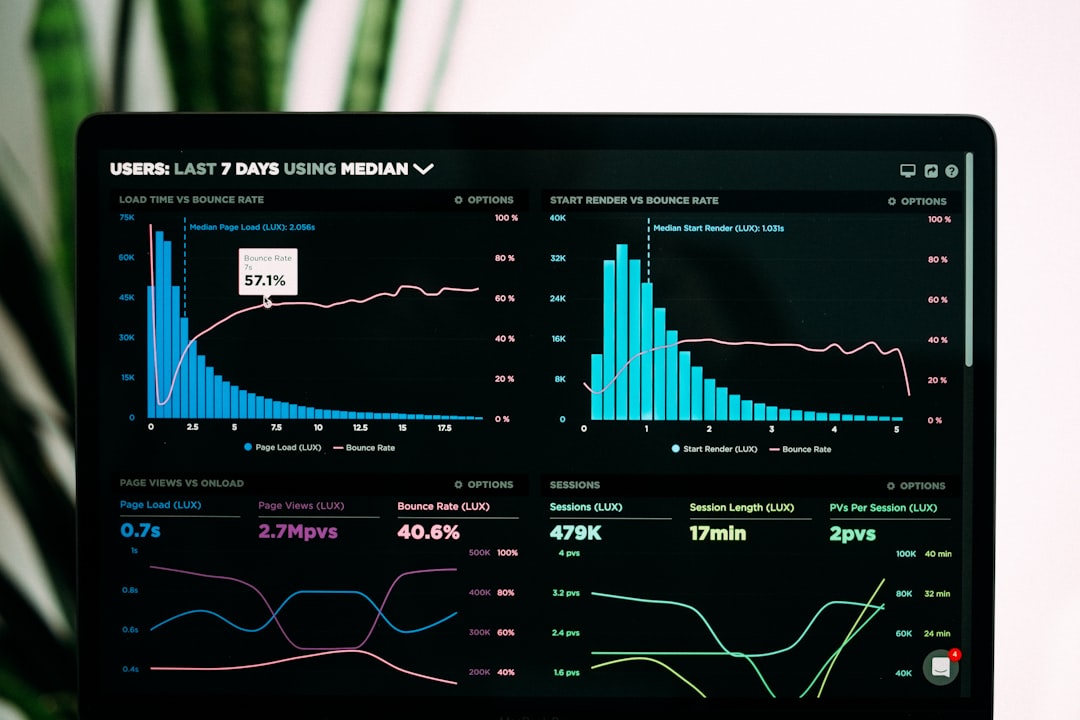
Advanced Analytics Dashboard
Serious platforms provide:
- Total and unique scans
- Timestamp data
- Geolocation mapping
- Device and operating system insights
- Conversion tracking via integrations
Brand Customization Tools
High error correction levels, logo overlays, adjustable patterns, and frame calls-to-action improve both aesthetics and scan reliability.
Team Collaboration
For agencies and enterprises, role-based account management is critical for workflow control.
Data Privacy and Compliance
GDPR compliance, data encryption, and secure hosting are increasingly essential considerations, especially for regulated industries.
Leading Modern QR Code Generators
Several reputable platforms dominate the professional QR code market. Each offers varying levels of sophistication and pricing structures.
1. QR Code Generator Pro
Known for enterprise-ready features and detailed analytics, this platform supports dynamic editing, PDF downloads, landing page creation, and API integrations.
2. Beaconstac
Beaconstac focuses heavily on enterprise deployment, advanced tracking, integration with CRM systems, and security compliance standards.
3. The QR Code Generator by Bitly
Integrated with link management tools, this solution is ideal for marketers already using Bitly for URL tracking and campaign measurement.
4. Flowcode
Flowcode markets itself toward creators, influencers, and experiential marketing teams with user-friendly design customization and strong branding features.
Comparison Chart of Leading QR Code Platforms
| Feature | QR Code Generator Pro | Beaconstac | Bitly QR | Flowcode |
|---|---|---|---|---|
| Dynamic QR Codes | Yes | Yes | Yes | Yes |
| Advanced Analytics | Comprehensive | Enterprise Level | Integrated with Bitly | Moderate |
| Custom Branding | High | High | Moderate | High |
| API Access | Yes | Yes | Limited | Limited |
| Best For | SMBs and Agencies | Large Enterprises | Digital Marketers | Creators and Events |
Use Cases Across Industries
Modern QR solutions are utilized far beyond retail marketing. Below are prominent industry applications:
Retail and E-commerce
- Product authentication
- Reorder links
- Loyalty program enrollment
- Interactive packaging experiences
Hospitality and Restaurants
- Contactless menus
- Customer feedback forms
- Promotional discounts
- WiFi access portals
Events and Conferences
- Digital ticketing
- Lead capture forms
- Interactive schedules
- Sponsor activations
Content Creators and Influencers
- Social profile aggregation
- Merchandise sales
- Newsletter subscriptions
- Exclusive content access

Design Best Practices for Professional Results
Despite advanced customization options, there are essential guidelines to ensure reliable scanning performance:
- Maintain sufficient contrast between foreground and background
- Avoid excessive visual distortion that compromises readability
- Test across multiple devices before campaign launch
- Include a clear call to action such as “Scan to Learn More”
- Ensure proper sizing relative to scanning distance
While brand aesthetics matter, usability must remain the priority. A visually appealing QR code that fails to scan defeats its marketing purpose.
Security and Compliance Considerations
QR codes can pose security risks if misused. Malicious actors sometimes exploit them for phishing redirects. Reputable generators mitigate these risks through link validation systems, SSL encryption, and controlled account permissions.
Organizations should also:
- Use trusted domain redirects
- Monitor scan activity for anomalies
- Regularly audit active campaigns
- Ensure compliance with regional data protection laws
Enterprise brands in regulated industries—such as finance and healthcare—must evaluate vendor certifications and hosting practices carefully.
The Future of QR Code Technology
Looking ahead, QR codes will become even more integrated with augmented reality, blockchain verification, and personalized automation. Smart packaging may provide full lifecycle transparency for products. Real-time personalization based on user segmentation will further enhance engagement.
Artificial intelligence integration may also optimize QR performance by analyzing scan behavior patterns and recommending campaign adjustments. As consumer familiarity continues to grow globally, QR codes are no longer considered novelty tools but infrastructure components within omnichannel strategies.
Final Considerations
Modern QR code generators serve as strategic marketing platforms, not merely code creation tools. For brands, they offer measurable offline attribution, campaign flexibility, and scalable digital integration. For creators, they provide accessible tools to convert physical impressions into loyal digital audiences.
When choosing a solution, stakeholders should evaluate scalability, analytics depth, integration capabilities, and security standards alongside pricing. A carefully selected platform can transform ordinary printed materials into intelligent, trackable, and adaptable engagement channels.
In a world increasingly defined by seamless digital transitions, QR codes represent one of the most efficient and reliable bridges between the physical and online experience. Implemented with professionalism and strategic foresight, they remain an indispensable tool for modern brands and creators.
