 logo
logo

Customer feedback is one of the most valuable assets a SaaS business can leverage. In an industry defined by recurring revenue, rapid iteration, and intense competition, understanding what users think, feel, and expect is not optional — it is mission critical. The right customer feedback management software allows SaaS companies to collect, organize, analyze, and act on user insights at scale while aligning product, marketing, and customer success teams around shared priorities.
TLDR: SaaS businesses need structured systems to capture and act on customer feedback efficiently. The best platforms consolidate feedback from multiple channels, provide analytics, and integrate with product workflows. Tools like UserVoice, Canny, Productboard, Delighted, and Zendesk each offer distinct strengths depending on company size and needs. Choosing the right platform depends on your growth stage, team structure, and data strategy.
Below are five proven customer feedback management platforms that stand out for SaaS organizations seeking reliability, scalability, and actionable insights.
1. UserVoice
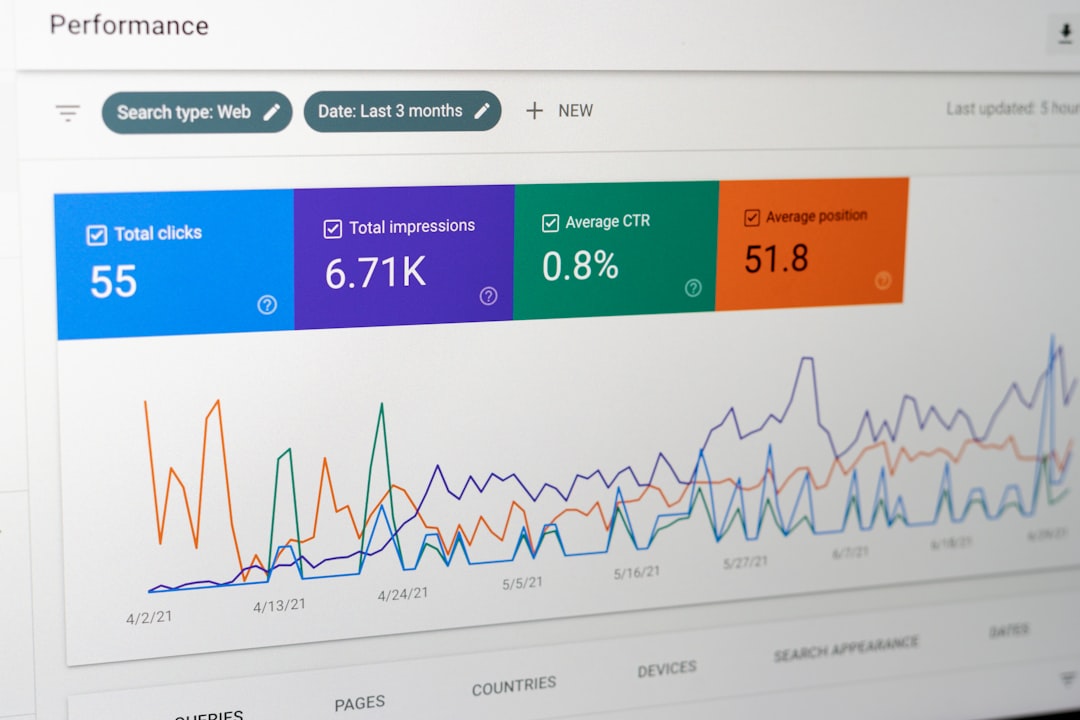
UserVoice has long been a dedicated solution for structured product feedback collection. Built specifically for software companies, it allows businesses to centralize feature requests, prioritize product initiatives, and communicate updates transparently with customers.
Core strengths:
- Centralized feature request tracking
- Advanced prioritization tools
- Customer voting systems
- Roadmap transparency
- Enterprise-grade integrations
UserVoice excels at turning qualitative feedback into quantified priorities. Customers can submit ideas and vote on others, giving product teams measurable demand signals. Additionally, it supports segmentation by revenue, account tier, or user type — allowing SaaS leaders to weigh feedback according to commercial impact.
Best suited for: Mid-sized to enterprise SaaS companies that require structured roadmap management and stakeholder visibility.
2. Canny
Canny is a modern and streamlined feedback platform designed with simplicity and clarity in mind. Its interface is intuitive, making it accessible for both teams and customers. While lighter than enterprise-heavy platforms, it delivers powerful functionality for growing SaaS companies.
Key capabilities:
- Public and private feedback boards
- Customer voting and commenting
- Changelog announcements
- Direct integration with tools such as Jira and Intercom
- Customer segmentation features
Canny’s strength lies in its balance between usability and operational depth. Product managers can link feedback directly to development tickets, ensuring customer input translates into execution. Meanwhile, public roadmaps and status updates improve transparency and build customer trust.
Best suited for: Early to mid-stage SaaS startups seeking a clean, affordable feedback solution that integrates easily into agile workflows.
3. Productboard
Productboard goes beyond simple feedback tracking. It is a comprehensive product management platform that integrates customer insights with roadmap planning and strategic prioritization.

Notable advantages:
- Customer-driven feature prioritization
- Insight consolidation from multiple channels
- Strategic product roadmapping
- Customer impact scoring
- Advanced reporting for executive stakeholders
One of Productboard’s strongest capabilities is aggregating feedback from numerous sources — including support tickets, surveys, call transcripts, and sales notes. Teams can link insights directly to product initiatives, enabling more objective and evidence-based decision making.
Unlike simpler feedback boards, Productboard helps leadership teams align long-term strategy with customer demand signals. This makes it particularly effective for scaling SaaS businesses managing multiple product lines or market segments.
Best suited for: Growth-stage and enterprise SaaS organizations where product strategy and cross-team collaboration are critical.
4. Delighted
Delighted focuses primarily on customer sentiment measurement, particularly through Net Promoter Score (NPS), Customer Satisfaction (CSAT), and Customer Effort Score (CES) surveys. While not a traditional feature-request system, it excels in continuous feedback collection.
Core functionalities:
- Automated survey distribution
- Multi-channel delivery (email, web, SMS)
- Real-time sentiment tracking
- Trend analytics dashboards
- CRM and help desk integrations
For SaaS companies dependent on recurring revenue, churn prevention is paramount. Delighted enables teams to detect dissatisfaction early by monitoring shifts in customer sentiment. With automated follow-ups and tagging, companies can close feedback loops efficiently.
While it does not replace roadmap-focused tools, Delighted plays an essential role in understanding customer health and loyalty.
Best suited for: SaaS businesses prioritizing customer retention, churn reduction, and ongoing experience optimization.
5. Zendesk (with Feedback Integrations)
Zendesk is widely recognized as a customer support platform, but when combined with its survey tools and integrations, it becomes a powerful feedback management hub.

Advantages include:
- Built-in CSAT measurement
- Ticket-based feedback analysis
- Extensive app marketplace integrations
- Unified support and insight tracking
- Scalable enterprise infrastructure
For many SaaS companies, customer feedback originates within support interactions. Zendesk captures this data organically and allows teams to extract trends from tickets, categorize recurring issues, and identify product shortcomings.
Although not a dedicated product feedback tool, its ecosystem flexibility allows integration with specialized platforms, effectively centralizing customer communication and sentiment data.
Best suited for: SaaS businesses that want to integrate customer support and feedback within one operational system.
Comparison Chart
| Platform | Primary Focus | Best For | Key Strength | Scalability |
|---|---|---|---|---|
| UserVoice | Feature requests and roadmap feedback | Mid to enterprise SaaS | Prioritization and voting systems | High |
| Canny | Feedback boards and changelogs | Startups and emerging SaaS | Ease of use and integrations | Moderate to High |
| Productboard | Product strategy alignment | Growth and enterprise SaaS | Insight consolidation and roadmap tools | Very High |
| Delighted | Customer sentiment surveys | Retention focused SaaS | NPS and automated feedback loops | High |
| Zendesk | Support based feedback capture | Support driven organizations | Integrated ticket analytics | Very High |
How to Choose the Right Platform
Selecting the appropriate customer feedback management software depends on several strategic factors:
- Company stage: Early startups may prioritize simplicity, while enterprise organizations require multi-team collaboration and segmentation.
- Primary objective: Are you focused on product roadmap alignment, churn reduction, or support optimization?
- Integration needs: Consider compatibility with CRM systems, development tools, and analytics platforms.
- Volume and complexity of feedback: Larger datasets require stronger analytics capabilities.
A common mistake SaaS businesses make is adopting multiple overlapping tools without a central integration strategy. This often leads to fragmented insights and reduced decision-making clarity. Instead, companies should define a feedback architecture — a structured system outlining how data flows from customer interaction to product evolution.
Final Considerations
Effective feedback management is not solely about collecting opinions — it is about operationalizing insight. The most successful SaaS companies close the loop consistently: they gather input, prioritize changes, implement updates, and communicate results back to customers.
Each of the five platforms discussed provides a distinct value proposition. UserVoice and Canny excel in feature-driven feedback environments. Productboard anchors strategic product management. Delighted ensures sentiment tracking remains continuous. Zendesk strengthens the bridge between support conversations and product improvement.
Ultimately, the strongest feedback system is one embedded deeply within company culture. Tools facilitate insight, but disciplined analysis and responsive execution create lasting competitive advantage.
For SaaS businesses operating in fast-moving markets, a structured and reliable customer feedback management platform is not a luxury — it is an operational necessity.