 logo
logo

Your skin deserves care that feels good and does good. More people are turning to natural, organic skincare. And dermatologists are paying attention. In fact, many skin experts now recommend simple plant-based products for healthier skin. Why? Because fewer harsh chemicals often means fewer problems. Let’s explore seven natural organic skincare picks loved by 88% of dermatologists.
TLDR: Natural organic skincare is gaining serious respect from dermatologists. Ingredients like aloe vera, jojoba oil, and green tea are gentle but effective. These seven picks support healthy, glowing skin without harsh chemicals. Simple formulas. Real results. Happy skin.
Before we dive in, here’s something important. “Natural” does not mean weak. And “organic” does not mean ineffective. Many plant-based ingredients are packed with vitamins, antioxidants, and fatty acids. Your skin understands these ingredients. It knows how to use them.
1. Aloe Vera Gel
Best for: Soothing, hydration, irritation
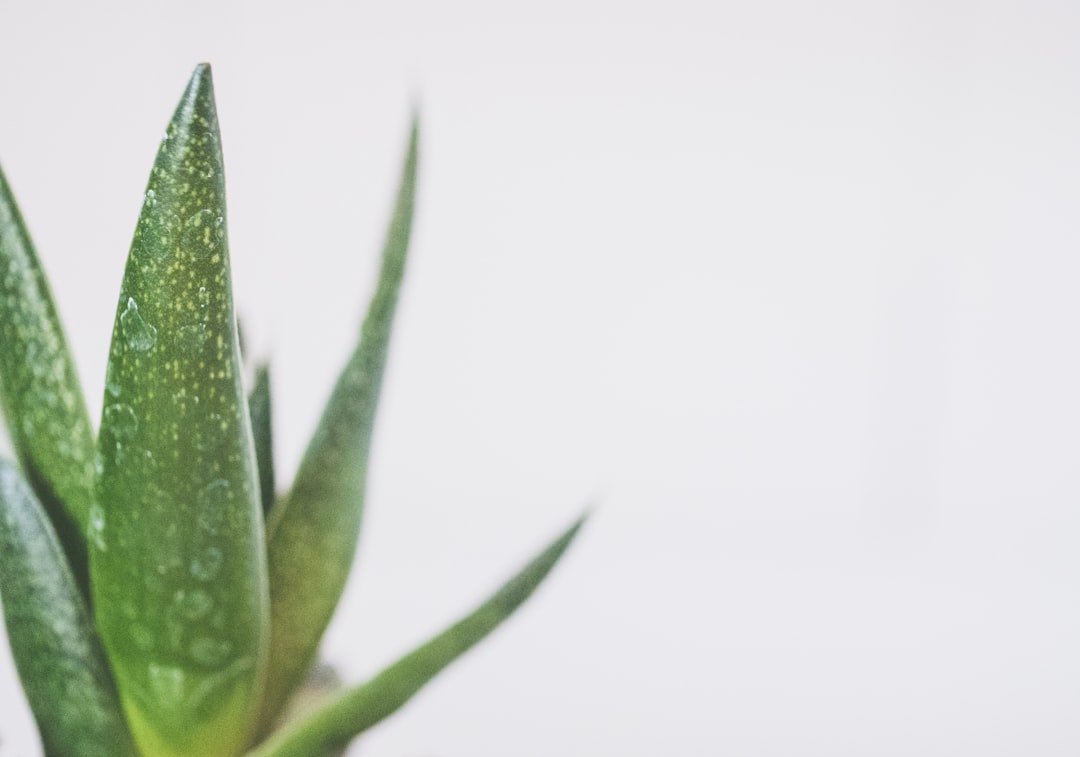
Aloe vera is a classic. Dermatologists love it. Your skin loves it more.
It cools. It hydrates. It calms redness. That is why it is often used after sun exposure. But it also works daily as a lightweight moisturizer.
Why dermatologists recommend it:
- Rich in vitamins A, C, and E
- Helps calm inflammation
- Great for acne-prone skin
- Non-greasy and fast absorbing
Look for products with high percentages of pure aloe. Avoid added alcohol. Keep it simple.
2. Jojoba Oil
Best for: Balancing oily and dry skin
Fun fact. Jojoba oil is not actually an oil. It is a liquid wax. And it closely mimics your skin’s natural sebum.
This makes it incredibly balancing. If your skin is oily, it helps regulate oil production. If your skin is dry, it locks in moisture.
Why dermatologists recommend it:
- Non-comedogenic (won’t clog pores)
- Suitable for sensitive skin
- Rich in vitamin E
- Supports skin barrier repair
Use a few drops on damp skin. Or mix it into your moisturizer. A little goes a long way.
3. Green Tea Extract
Best for: Anti-aging, redness, acne
Green tea is not just for sipping. It is full of antioxidants. These help fight free radicals. And free radicals speed up aging.
Dermatologists appreciate green tea because it is gentle yet powerful.
Why dermatologists recommend it:
- High in polyphenols
- Reduces inflammation
- Helps minimize breakouts
- Improves skin elasticity
Look for serums or toners with green tea extract near the top of the ingredient list.
4. Rosehip Seed Oil
Best for: Brightening and fine lines
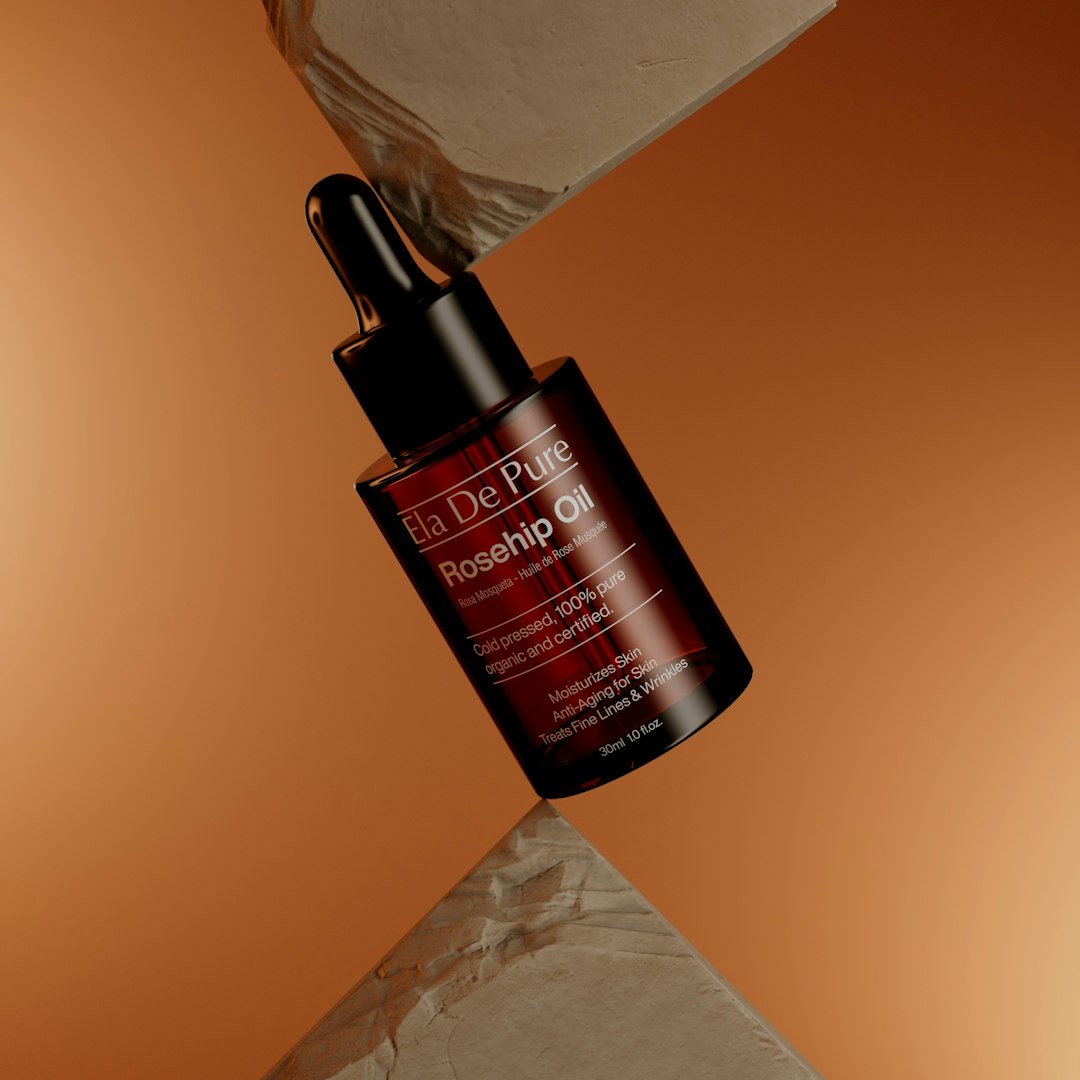
Rosehip seed oil is a favorite among skincare experts. It is lightweight. But it is packed with nutrients.
It contains natural vitamin A. This helps improve skin tone and texture. It also contains essential fatty acids that support skin repair.
Why dermatologists recommend it:
- Helps reduce appearance of scars
- Brightens dull skin
- Improves elasticity
- Absorbs quickly
Apply it at night. Massage gently. Wake up glowing.
5. Shea Butter
Best for: Deep moisture and dry skin
Shea butter is rich. Creamy. Comforting.
It comes from the nuts of the shea tree. And it is loaded with fatty acids and vitamins.
Why dermatologists recommend it:
- Strengthens the skin barrier
- Reduces dryness and flaking
- Contains anti-inflammatory properties
- Great for eczema-prone skin
If you have very dry skin, this is your best friend. Use it on the face or body. Focus on rough areas like elbows and knees.
6. Chamomile Extract
Best for: Sensitive and reactive skin
Chamomile is calming. Inside and out.
In skincare, it helps soothe irritation and redness. Dermatologists often suggest it for people with rosacea or easily irritated skin.
Why dermatologists recommend it:
- Natural anti-inflammatory
- Reduces redness
- Gentle enough for daily use
- Supports healing
Look for chamomile in creams and calming masks. Especially after exfoliation.
7. Tea Tree Oil
Best for: Acne and blemishes
Tea tree oil is powerful. So use it wisely.
It has natural antibacterial properties. That makes it effective against acne-causing bacteria.
Why dermatologists recommend it:
- Helps reduce pimples
- Controls excess oil
- Natural antimicrobial
- Works well as a spot treatment
Always dilute tea tree oil. Or choose products that already contain a safe concentration. A little is enough.
Quick Comparison Chart
| Ingredient | Best For | Skin Type | Main Benefit |
|---|---|---|---|
| Aloe Vera | Soothing | All skin types | Calms and hydrates |
| Jojoba Oil | Balancing | Oily, combination, dry | Regulates oil |
| Green Tea | Anti-aging | Sensitive, acne-prone | Fights free radicals |
| Rosehip Oil | Brightening | Dry, mature | Improves tone |
| Shea Butter | Deep moisture | Very dry, eczema-prone | Strengthens barrier |
| Chamomile | Calming | Sensitive, reactive | Reduces redness |
| Tea Tree Oil | Acne control | Oily, acne-prone | Fights bacteria |
Why Dermatologists Are Embracing Natural Options
Many dermatologists used to focus mainly on prescription treatments. Now things are changing. Research supports certain natural ingredients. Patients also want simpler routines.
Natural formulas often:
- Contain fewer synthetic fragrances
- Avoid harsh sulfates and parabens
- Focus on barrier support
- Encourage long-term skin health
That said, not every natural product is perfect. Always patch test. And consult your dermatologist if you have a specific condition.
How to Build a Simple Natural Routine
You do not need all seven products at once.
Start with three basics:
- Gentle cleanser with chamomile or green tea
- Moisturizer with aloe or shea butter
- Treatment oil or serum like jojoba or rosehip
If you are acne-prone, add tea tree oil as a spot treatment.
Keep it simple. Stay consistent. Skin loves routine.
Final Thoughts
Great skincare does not have to be complicated. Or filled with chemicals you cannot pronounce.
These seven natural organic picks are trusted by many dermatologists for a reason. They work with your skin. Not against it.
Healthy skin is not about perfection. It is about balance. Hydration. Protection. And kindness.
Choose clean ingredients. Listen to your skin. And remember. Sometimes nature really does know best.
