 logo
logo
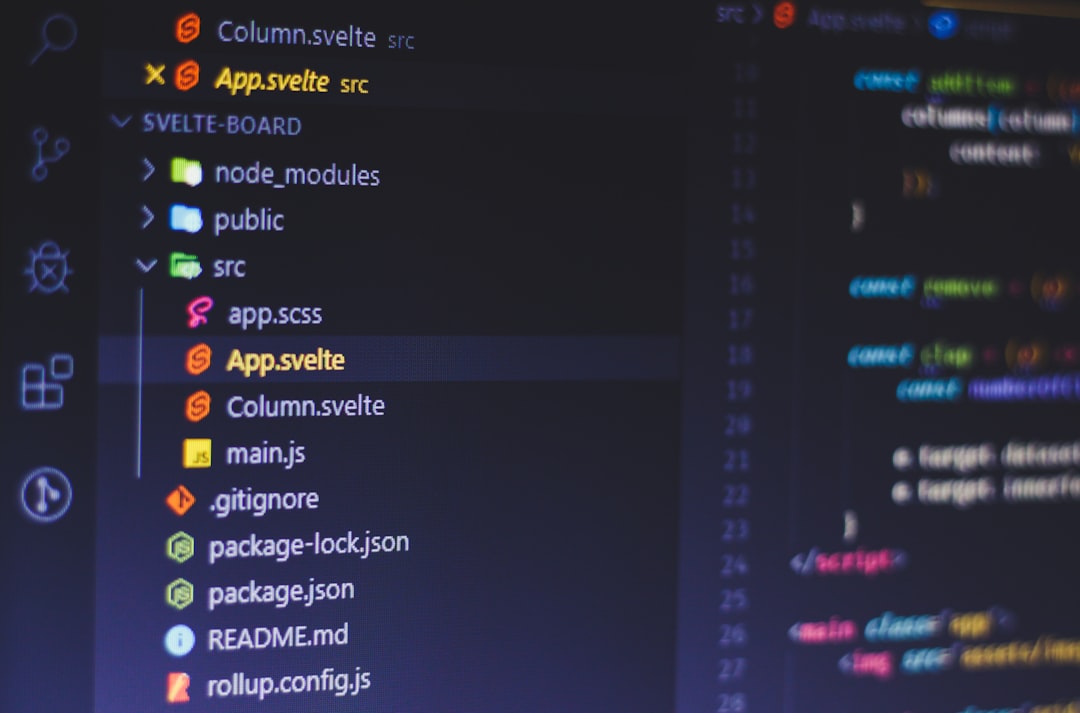
Artificial intelligence has rapidly transformed the way software is developed, tested, and maintained. In recent years, AI code assistant tools like Codeium have emerged as indispensable companions for programmers seeking faster workflows, cleaner syntax, and fewer repetitive tasks. These tools integrate directly into development environments, offering real-time suggestions, generating entire code blocks, and even explaining complex logic. As development cycles shorten and software demands grow, intelligent coding assistants are becoming a standard part of modern engineering.
TLDR: AI code assistant tools such as Codeium help developers write code faster, reduce repetitive tasks, and minimize errors through intelligent suggestions and automation. They integrate directly into popular IDEs and support multiple programming languages. By combining machine learning with contextual analysis, they significantly enhance productivity. For individuals and teams alike, these tools are becoming essential for efficient software development.
Unlike traditional autocomplete systems, AI-powered coding assistants rely on large-scale machine learning models trained on vast repositories of programming knowledge. These systems interpret context, understand intent, and generate meaningful code that aligns with a developer’s goals. Whether building APIs, debugging scripts, or writing boilerplate functions, AI assistants provide suggestions that go far beyond simple syntax completion.
What Are AI Code Assistant Tools?
AI code assistant tools are software solutions that use machine learning models to assist developers during the programming process. Instead of manually writing every line, developers can rely on intelligent suggestions that predict code, auto-generate functions, and even refactor existing code for optimization.
Tools like Codeium typically offer:
- Autocomplete suggestions for entire lines or blocks of code
- Natural language to code translation
- Inline documentation generation
- Debugging support and error detection
- Automated test case creation
By integrating into popular integrated development environments (IDEs) such as VS Code, JetBrains IDEs, and others, these tools become a seamless extension of the developer’s workflow.
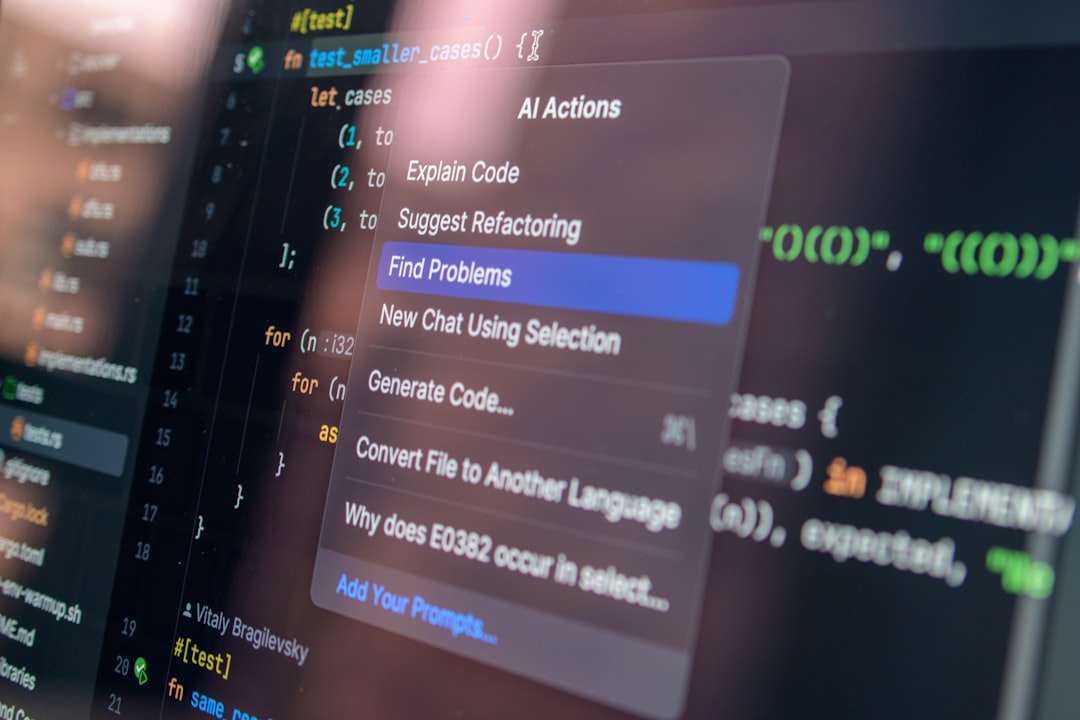
How Tools Like Codeium Improve Efficiency
Efficiency in software development often depends on reducing friction. AI coding assistants eliminate many of the repetitive and time-consuming aspects of writing code.
1. Faster Code Generation
Developers can write a descriptive comment such as “create a function that validates email addresses”, and the assistant generates a complete function instantly. This dramatically reduces development time for routine features.
2. Context-Aware Suggestions
Unlike static templates, AI models analyze surrounding code, variable names, and logic structure. This ensures that suggestions align with the project’s architecture and naming conventions.
3. Reduced Debugging Time
Many AI tools detect potential logical errors in real time. Instead of discovering issues during runtime or testing, developers receive immediate corrective suggestions.
4. Improved Code Consistency
AI assistants can learn patterns within a codebase and maintain consistency across files, which is particularly valuable in team environments.
5. Learning and Skill Development
For junior developers, AI tools act as mentors by explaining generated code and suggesting best practices. This shortens the learning curve for complex programming concepts.
Popular AI Code Assistant Tools
Several AI-powered coding tools have gained popularity. While Codeium is widely recognized, it exists alongside other strong competitors.
- Codeium – Known for broad language support and fast AI completions.
- GitHub Copilot – Integrated deeply within GitHub’s ecosystem.
- Amazon CodeWhisperer – Focused on AWS cloud development.
- Tabnine – Offers AI-powered autocomplete with customizable models.
Comparison of Leading AI Code Assistants
| Feature | Codeium | GitHub Copilot | Amazon CodeWhisperer | Tabnine |
|---|---|---|---|---|
| Language Support | 70+ languages | Multiple major languages | Strong for cloud focused languages | Wide support |
| IDE Integration | VS Code, JetBrains, others | VS Code, Visual Studio | AWS IDEs, VS Code | VS Code, JetBrains |
| Best For | General development | GitHub users | AWS cloud developers | Custom AI models |
| Code Explanation | Yes | Yes | Limited | Yes |
| Privacy Options | Flexible enterprise plans | Dependent on GitHub settings | AWS compliant security | Local deployment options |
Real-World Use Cases
AI coding assistants are not limited to hobby projects. They are increasingly used in enterprise environments where speed and accuracy are crucial.
Startup Development
Startups benefit from accelerated MVP development. AI tools help small teams prototype ideas quickly without hiring large engineering departments.
Enterprise Software Maintenance
Maintaining legacy systems can be time-consuming. AI assistants help refactor code, generate documentation, and modernize older libraries.
DevOps and Automation
Engineers use AI to quickly generate scripts for deployment pipelines, monitoring configurations, and cloud automation.
Educational Environments
Students use AI assistants to better understand syntax, algorithms, and debugging strategies. When used responsibly, they can serve as tutoring companions.

Benefits for Development Teams
While individual productivity increases are impressive, the real impact is seen at the team level.
- Shorter development cycles
- Lower onboarding time for new developers
- Improved documentation quality
- Reduced technical debt
- More focus on complex problem-solving
When teams automate boilerplate coding, they can concentrate on architecture decisions, system optimization, and user experience improvements.
Limitations and Considerations
Despite their benefits, AI code assistants are not flawless. Developers must remain vigilant and avoid overreliance.
Code Accuracy
Generated code may not always follow best practices or may introduce subtle bugs. Human oversight remains essential.
Security Risks
Blindly accepting AI-generated code can lead to vulnerabilities, particularly in areas like authentication and encryption.
Intellectual Property Concerns
Organizations must understand how AI tools are trained and whether generated code meets compliance and licensing standards.
Skill Dependency
Overuse could potentially slow skill development if developers rely entirely on suggestions without understanding underlying logic.
The Future of AI-Powered Coding
The trajectory of AI in software development suggests increasingly autonomous capabilities. Future assistants may:
- Completely generate multi-file applications from text descriptions
- Automatically optimize performance bottlenecks
- Continuously monitor production code for improvements
- Provide advanced architectural recommendations
As machine learning models improve, collaboration between humans and AI is expected to deepen. Rather than replacing developers, AI is positioning itself as a powerful co-pilot that enhances human creativity and logical reasoning.
Organizations that strategically adopt tools like Codeium often gain a competitive edge. Faster release cycles, improved code quality, and empowered engineers translate directly into stronger products.
Conclusion
AI code assistant tools like Codeium represent a significant shift in how software is written and maintained. By automating repetitive tasks, offering contextual suggestions, and supporting multiple programming languages, they enable developers to focus on higher-level thinking and innovation. While they require responsible use and oversight, their benefits far outweigh their limitations. As the software industry evolves, intelligent coding assistants are set to become an indispensable component of modern development workflows.
Frequently Asked Questions (FAQ)
1. Are AI code assistant tools suitable for beginners?
Yes. They can help beginners understand syntax, generate examples, and learn best practices, though users should still study core concepts independently.
2. Can AI code assistants replace human developers?
No. They enhance productivity but cannot replace human creativity, architectural decision-making, and complex problem-solving abilities.
3. Is the code generated by tools like Codeium production-ready?
It can be, but developers should review, test, and validate all generated code before deploying it to production environments.
4. Do AI code assistants support multiple programming languages?
Most leading tools support a wide range of languages, including Python, JavaScript, Java, C++, Go, and many others.
5. How do companies address privacy concerns when using AI coding tools?
Many providers offer enterprise-grade security settings, private deployments, and compliance-focused plans to ensure data confidentiality and protection.
6. Are these tools expensive?
Pricing varies. Some tools offer free tiers for individuals, while enterprise plans provide advanced features and security controls at a cost.