 logo
logo
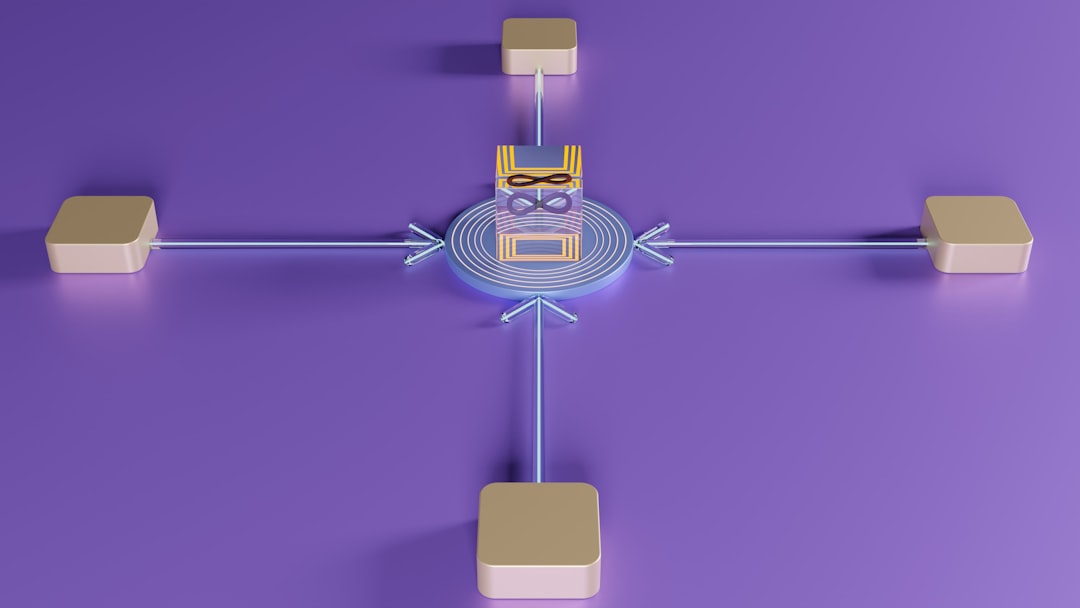
Blockchain technology has unlocked a new era of decentralized finance, digital ownership, and programmable assets. Yet in its rapid evolution, one major challenge emerged: most blockchains operate in isolation. Assets on one network cannot natively move to another without specialized tools. Cross-chain bridge platforms were created to solve this fragmentation, enabling users to transfer tokens, NFTs, and data seamlessly between networks.
TLDR: Cross-chain bridges allow users to move digital assets between different blockchain networks. They work by locking assets on one chain and minting or releasing equivalent assets on another. While bridges significantly improve liquidity and interoperability, they also introduce security risks and technical trade-offs. As multichain ecosystems expand, bridges are becoming essential infrastructure for Web3.
Why Cross-Chain Bridges Matter
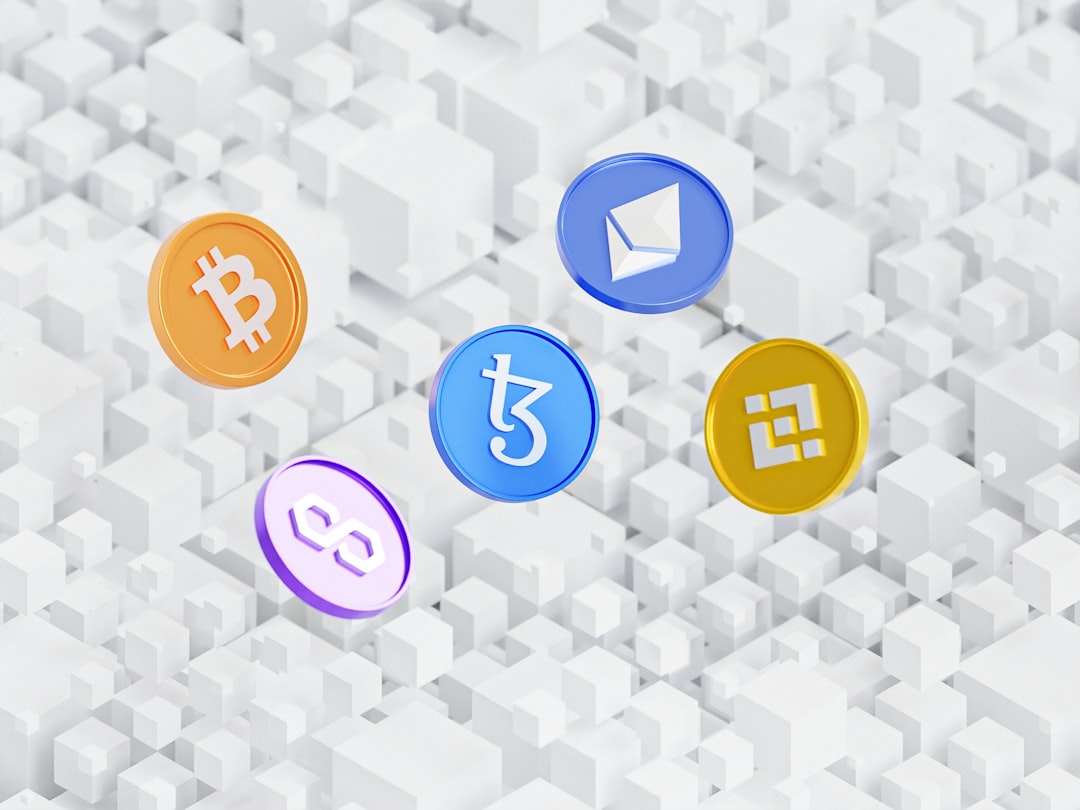
Early blockchain ecosystems were highly siloed. Ethereum, Binance Smart Chain, Solana, Avalanche, Polygon, and others developed unique communities and decentralized applications (dApps). However, assets created on one chain were generally restricted to that chain.
This isolation created several challenges:
- Liquidity fragmentation across multiple networks
- Limited user flexibility for interacting with dApps
- Higher costs when switching ecosystems
- Barriers to multichain innovation
For example, a user holding tokens on Ethereum might want to access lower transaction fees on another network or participate in a lending protocol available only elsewhere. Without a bridge, they would need centralized exchanges or complex workarounds. Cross-chain bridges eliminate this friction by enabling direct on-chain transfers between ecosystems.
How Cross-Chain Bridges Work
Although implementations vary, most cross-chain bridges follow a similar mechanism known as the lock-and-mint model.

The typical process looks like this:
- Locking: A user sends tokens to a smart contract on the source chain. These tokens are locked and cannot be accessed.
- Verification: The bridge validates that the deposit occurred through validators, relayers, or oracles.
- Minting or Releasing: An equivalent representation of the asset is minted or unlocked on the destination chain.
- Redeeming: When transferring back, the wrapped tokens are burned and the original tokens are unlocked.
This system ensures that the total supply across chains remains balanced. If 10 tokens are locked on Ethereum, 10 wrapped tokens are minted on another network. The representation is generally known as a wrapped asset.
Alternative Bridge Models
Beyond lock-and-mint, there are other models gaining traction:
- Liquidity-based bridges: Instead of minting new tokens, these bridges use liquidity pools on both chains to swap assets directly.
- Burn-and-mint: Tokens are burned on one chain and newly minted on another, often used for native asset migrations.
- Light client bridges: These verify the state of another chain programmatically without centralized validators.
- Messaging-based protocols: Some platforms focus not only on assets, but cross-chain contract calls and data transfer.
Key Benefits of Cross-Chain Bridges
Cross-chain bridges unlock significant advantages for developers, investors, and institutions.
1. Increased Liquidity
Bridges allow liquidity to flow freely between ecosystems. Projects can attract users from multiple networks without forcing them to liquidate assets. This improves market depth and reduces slippage.
2. Reduced Transaction Costs
Users can migrate assets to lower-cost blockchains when fees are high. For instance, during peak Ethereum congestion, users may bridge assets to Layer 2 networks or alternative chains.
3. Expanded Ecosystem Access
Many promising DeFi, gaming, and NFT platforms are exclusive to particular networks. Bridges allow users to participate across ecosystems without depending on centralized exchanges.
4. Multichain Application Development
Developers can design multichain applications that operate across several networks simultaneously, increasing user reach and resilience.
Security Risks and Vulnerabilities
Despite their utility, cross-chain bridges have historically been one of the most targeted segments in crypto. Because they often hold large locked reserves, they present attractive targets for attackers.
Common Vulnerabilities
- Smart contract exploits
- Validator compromise
- Oracle manipulation
- Insufficient decentralization
If an attacker can trick the bridge into minting tokens without proper collateral locking, they effectively create unbacked assets. Several high-profile hacks have occurred due to vulnerabilities in verification mechanisms.
This has led to important industry improvements, such as:
- Multi-signature validation systems
- Distributed validator sets
- Audited smart contracts
- On-chain transparency tools
- Insurance and risk mitigation protocols
Security remains the most critical factor when evaluating a cross-chain bridge platform.
Types of Cross-Chain Bridge Platforms
Bridge platforms generally fall into two broad categories: trusted and trustless.
Trusted Bridges
Trusted bridges rely on a centralized or semi-centralized group of validators. They are often faster and cheaper, but users must trust the operators.
Pros:
- High speed
- Low fees
- Simpler architecture
Cons:
- Centralization risks
- Custodial exposure
Trustless Bridges
Trustless bridges rely on cryptographic verification, smart contracts, and decentralized validator networks. They prioritize security and decentralization.
Pros:
- Higher transparency
- Reduced reliance on intermediaries
- Stronger alignment with Web3 principles
Cons:
- More complex engineering
- Potentially higher gas costs
Bridges Beyond Token Transfers
Modern cross-chain infrastructure is moving beyond simple asset transfers. Advanced bridge platforms now support:
- Cross-chain smart contract calls
- Cross-chain NFT transfers
- Interoperable governance systems
- Shared staking mechanisms
This evolution is important because Web3 applications increasingly demand synchronized operations across multiple chains. For example, a lending platform could use liquidity from one chain while collateral resides on another.

Layer 2 and Cross-Chain Bridges
Layer 2 networks play a significant role in the bridging ecosystem. These networks are built on top of base-layer chains, offering improved scalability and lower costs.
Bridges connect:
- Layer 1 to Layer 1
- Layer 1 to Layer 2
- Layer 2 to Layer 2
As rollups and modular blockchain designs expand, the need for seamless value transfer between layers becomes essential. In many ways, cross-chain bridges are becoming the connective tissue of decentralized infrastructure.
Key Considerations Before Using a Bridge
If you are transferring large amounts of value, careful evaluation is critical. Important factors include:
- Security audits and transparency
- Bridge architecture model
- Validator decentralization
- Transaction fees
- Supported chains and assets
- Speed and reliability
It is also wise to begin with a small test transaction before transferring significant funds.
The Future of Cross-Chain Interoperability
The long-term vision of blockchain is not a single dominant chain, but a multichain future. In this world, specialized blockchains handle specific functions — finance, gaming, identity, enterprise solutions — while interacting seamlessly.
Emerging innovations may improve cross-chain platforms through:
- Zero-knowledge proofs for enhanced verification
- Modular blockchain frameworks
- Improved validator incentives
- Native interoperability standards
Some blockchain architectures are even being designed with interoperability built in from the start, reducing reliance on external bridging mechanisms.
Conclusion
Cross-chain bridge platforms have become foundational infrastructure in the blockchain ecosystem. They address one of the most significant limitations of early decentralized networks: isolation. By enabling seamless transfers of assets, data, and functionality across chains, bridges improve liquidity, foster collaboration, and expand innovation.
However, they also introduce new layers of complexity and security risk. Users and developers alike must carefully weigh decentralization, performance, and trust assumptions when choosing a bridge solution.
As the Web3 landscape matures, cross-chain interoperability will likely define the next phase of blockchain development. Rather than competing as isolated islands, networks will operate as an interconnected ecosystem — and cross-chain bridge platforms will remain at the heart of that transformation.