 logo
logo

Modern teams rarely struggle because they lack ideas. More often, they struggle because work is scattered across spreadsheets, chat threads, email chains, dashboards, and meetings. Orchestra Project Management brings those moving parts together into a coordinated system, helping teams plan, assign, track, and deliver work with greater clarity. Like a musical orchestra, where every instrument must know when to enter, how loudly to play, and how to support the whole performance, project management becomes more effective when every person, task, deadline, and dependency is aligned.
TLDR: Orchestra Project Management is a structured approach and platform concept designed to coordinate complex work across teams, timelines, tools, and stakeholders. It helps organizations manage tasks, automate workflows, monitor progress, and improve collaboration from one central place. Its biggest benefits include better visibility, fewer missed deadlines, stronger accountability, and smoother project execution. It is especially useful for marketing teams, software teams, operations departments, agencies, and organizations managing multiple projects at once.
What Is Orchestra Project Management?
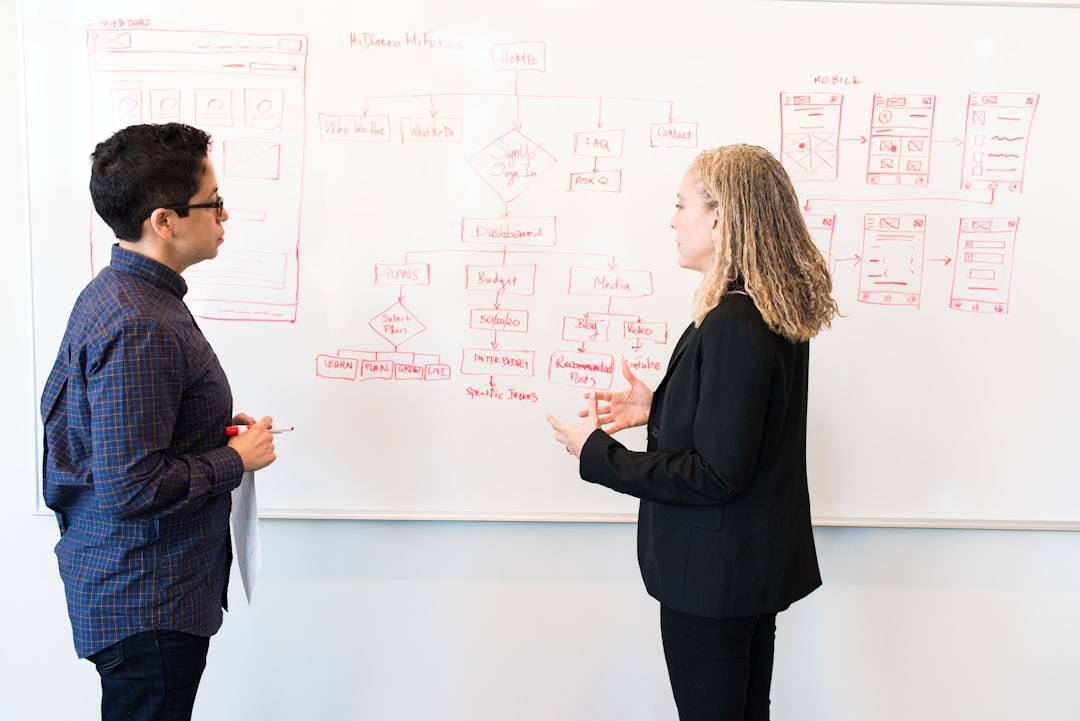
Orchestra Project Management refers to a project management system built around coordination, visibility, and workflow orchestration. Instead of treating tasks as isolated to-do items, it connects people, processes, schedules, approvals, resources, and outcomes into a single operating rhythm. The goal is not only to track work, but to make work flow intelligently from one stage to the next.
In traditional project management, teams often rely on manual updates, status meetings, and separate tools for communication, documentation, reporting, and scheduling. Orchestra Project Management aims to reduce that fragmentation. It allows project leaders to create repeatable workflows, assign ownership, define dependencies, automate routine steps, and provide stakeholders with real-time insight into progress.
This makes it especially valuable for organizations where many people contribute to shared outcomes. A product launch, for example, may involve product managers, designers, developers, marketers, legal reviewers, sales teams, and executives. Without a coordinated system, even a small delay in one area can quietly disrupt the entire project. Orchestra-style management helps each contributor understand how their work fits into the broader performance.
Core Features of Orchestra Project Management
The most powerful Orchestra Project Management systems combine planning, execution, reporting, and collaboration features. While implementations vary, the following capabilities are typically central to the experience.
1. Centralized Project Dashboards
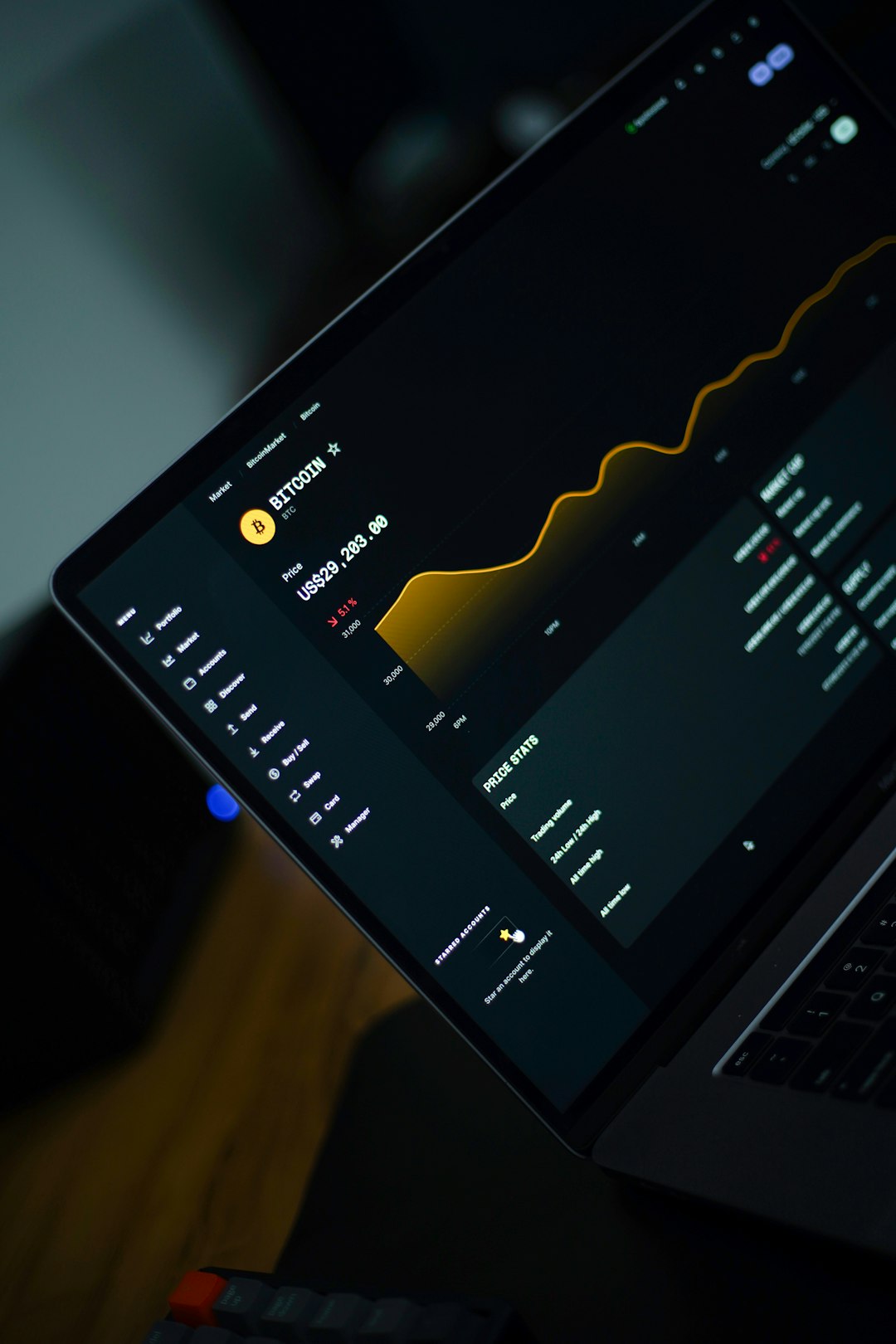
A centralized dashboard gives teams a single source of truth. Instead of asking, “Where are we on this?” stakeholders can open a dashboard and see task status, deadlines, blockers, priorities, owners, and milestones in one place.
Dashboards may include project timelines, workload summaries, budget tracking, completion percentages, risk indicators, and upcoming deadlines. For managers, this creates a high-level view of portfolio health. For individual contributors, it shows what needs attention now.
2. Task and Workflow Management
Task management is a foundation of any project system, but Orchestra Project Management goes beyond simple checklists. It organizes work into structured workflows, ensuring that each task moves through the correct stages, such as briefing, in progress, review, approval, and completed.
- Task owners clarify accountability.
- Due dates keep schedules realistic and visible.
- Dependencies show which tasks must happen before others can begin.
- Priority levels help teams focus on the most important work.
- Status updates reduce the need for constant check-in meetings.
3. Automation and Process Orchestration
Automation is one of the defining features of an orchestra-style project management approach. Repetitive administrative tasks can be automated so teams spend less time managing the work and more time doing it.
For example, when a design task is marked as complete, the system might automatically notify the content team, create a review task, or move the project into the next phase. If an approval is overdue, it can send a reminder. If a deadline changes, dependent tasks can be adjusted or flagged for review.
These automations are particularly useful in complex projects where small handoffs can easily be missed. They keep momentum going without relying entirely on memory or manual coordination.
4. Collaboration and Communication Tools
Strong collaboration depends on context. Orchestra Project Management systems often include comments, file attachments, mentions, version history, discussion threads, and approval notes directly inside tasks or projects. This keeps conversations attached to the work they reference.
Instead of searching through long chat histories to find a decision, a team member can review the task itself and see the latest feedback, files, and next steps. This is especially helpful when projects involve remote teams, external clients, or contributors across time zones.
5. Resource and Workload Management
Even the best project plan can fail if resources are overloaded. Orchestra Project Management helps leaders understand who is available, who is at capacity, and where bottlenecks are forming.
Workload views can show how many tasks each person owns, how deadlines cluster, and whether certain departments are under pressure. This allows managers to rebalance assignments before burnout or delays occur.
6. Reporting and Analytics
Modern teams need more than intuition to improve performance. Reporting features help organizations analyze cycle times, completion rates, budget variance, overdue tasks, team capacity, and project success rates.
With accurate analytics, leaders can identify patterns: Which types of projects usually run late? Where do approvals get stuck? Which teams need more support? Which workflows are working well enough to be reused? Data turns project management from a reactive activity into a continuous improvement practice.
Key Benefits of Orchestra Project Management
When implemented thoughtfully, Orchestra Project Management delivers benefits that extend beyond task tracking. It can reshape how teams communicate, prioritize, and execute.
Greater Visibility Across Projects
One of the most immediate benefits is transparency. Everyone can see what is happening, what is delayed, what is blocked, and what has been completed. This reduces confusion and prevents work from disappearing into silos.
Executives gain a portfolio-level view of progress, managers understand team capacity, and contributors know exactly what is expected of them. Visibility helps organizations make faster, better-informed decisions.
Improved Accountability
When ownership is unclear, tasks drift. Orchestra Project Management assigns responsibility clearly, so every task has an owner and every milestone has a path to completion. This does not create a culture of blame; rather, it creates a culture of clarity.
People perform better when expectations are specific. They know what they own, when it is due, and how their work supports the larger goal.
Fewer Missed Deadlines
Deadlines are often missed not because teams are careless, but because dependencies, approvals, and handoffs are poorly managed. Orchestra Project Management highlights these connections and gives teams early warning when a delay may affect the schedule.
By making risks visible before they become crises, teams can adjust priorities, add resources, or revise timelines proactively.
Better Cross-Functional Collaboration
Cross-functional work is where many organizations feel the most friction. Different departments may use different terminology, tools, priorities, and approval processes. Orchestra Project Management creates a shared operating environment where teams can coordinate without constantly translating between systems.
For example, marketing can see when product messaging is finalized, sales can track when enablement materials will be ready, and leadership can monitor launch readiness without asking each department for separate updates.
Scalable Processes
As organizations grow, informal project management becomes harder to sustain. What worked for five people becomes chaotic for fifty. Orchestra Project Management supports scale by turning successful processes into templates and repeatable workflows.
This means a team can create a standard process for onboarding clients, launching campaigns, developing software features, or approving content. Once the workflow is refined, it can be reused again and again.
Common Use Cases for Orchestra Project Management
Orchestra Project Management can support many industries and team structures. Its flexibility makes it useful anywhere work moves through multiple people, stages, and decisions.
Marketing Campaign Management
Marketing teams often juggle campaigns, content calendars, design requests, paid advertising, social media, email, events, and performance reporting. Orchestra Project Management helps coordinate these moving parts from strategy to execution.
A campaign workflow might include research, creative briefing, copywriting, design, stakeholder review, launch scheduling, and post-campaign analysis. With clear ownership and automated handoffs, teams can move faster while maintaining quality.
Software and Product Development
Software teams can use Orchestra Project Management to manage roadmaps, feature requests, sprint planning, bug tracking, QA processes, and release coordination. While technical teams may already use development tools, orchestra-style management can connect engineering work with product, design, support, marketing, and customer success.
This is particularly useful during product launches, where technical readiness must align with documentation, training, messaging, and customer communication.
Client Services and Agency Work
Agencies manage multiple clients, each with unique timelines, deliverables, approvals, and expectations. Orchestra Project Management provides a structured way to track account work, creative production, client feedback, revisions, and billing milestones.
It also improves client communication by making project status easier to share. Instead of sending frequent manual updates, agencies can provide dashboards, status reports, or controlled access to relevant project information.

Operations and Process Improvement
Operations teams can use Orchestra Project Management to standardize internal processes such as procurement, vendor onboarding, compliance reviews, facilities requests, and process audits. Because operations work often depends on consistency, automation and templates are especially valuable.
For example, a vendor onboarding workflow may require legal review, security assessment, finance approval, contract signing, and system setup. Orchestra Project Management ensures each step happens in the right order and nothing is missed.
Human Resources and Employee Onboarding
Employee onboarding involves many coordinated tasks: offer letters, background checks, equipment requests, account creation, benefits enrollment, training schedules, and manager introductions. A well-designed workflow gives HR, IT, finance, and department leaders shared visibility.
This creates a smoother experience for new employees and reduces the chance that important steps are forgotten before their first day.
Best Practices for Implementation
To get the most value from Orchestra Project Management, organizations should avoid simply transferring existing chaos into a new platform. The goal is to improve how work happens, not just digitize old habits.
- Start with one high-impact workflow: Choose a process that is important, repeatable, and currently painful.
- Define roles and ownership: Make sure every stage of the workflow has a clear responsible party.
- Use templates wisely: Standardize recurring work, but leave room for flexibility when projects vary.
- Automate routine handoffs: Let the system handle reminders, status changes, and notifications where possible.
- Review metrics regularly: Use reporting to identify bottlenecks and refine the process over time.
- Train the team: Adoption improves when people understand not only how to use the system, but why it matters.
Final Thoughts
Orchestra Project Management is about more than organizing tasks. It is about creating harmony between people, priorities, processes, and outcomes. In a business environment where speed and coordination matter, teams need systems that make work visible, repeatable, and adaptable.
Whether managing marketing campaigns, software releases, client projects, internal operations, or employee onboarding, the orchestra approach helps teams perform with greater confidence. When every contributor understands their role, every handoff is clear, and every project has a visible rhythm, organizations can replace confusion with momentum.
The result is a more synchronized way of working: fewer surprises, stronger collaboration, and projects that move from idea to execution with purpose.
