 logo
logo
Some days feel like a bag of bouncing frogs. Tasks jump. Meetings move. Notes hide. A Daily Smart Review helps you catch the frogs before they hop under the couch. It is a simple daily check-in that uses smart tools, clear prompts, and your own data to help you plan, reflect, and improve.
TLDR: A Daily Smart Review is a quick daily routine that helps you see what happened, what matters, and what to do next. It can review tasks, goals, habits, notes, meetings, and progress. It works well for work, school, fitness, personal growth, and team updates. Think of it as a friendly dashboard for your day.
What Is a Daily Smart Review?
A Daily Smart Review is a short review of your day. It can happen in the morning, at lunch, or at night. Many people do it once a day. Some do it twice.
The word smart means it does more than a normal checklist. It can pull in useful details. It can show calendar events. It can scan tasks. It can remind you about goals. It can spot patterns. It can help you ask better questions.
It is not meant to be heavy. It should feel light. Like a quick chat with a very organized friend. One who never forgets where you put that one important note.
Why Daily Reviews Matter
Most people are busy. Very busy. Some are “three tabs open in the brain” busy. A daily review creates a pause. That pause is powerful.
When you pause, you can see the full picture. You can notice what went well. You can spot what went wrong. You can choose what matters next.
Without a review, days can blur together. Monday becomes Tuesday. Tuesday becomes “wait, did I reply to that email?” A Daily Smart Review adds a small moment of control.
It helps you move from reactive to intentional. That is a fancy way of saying you stop chasing the day. You start steering it.
Core Features of a Daily Smart Review
A good Daily Smart Review can include many features. You do not need all of them. Start simple. Add more when needed.
1. Task Summary
This feature shows what you finished, missed, delayed, or forgot. It may group tasks by project. It may show overdue items. It may suggest what to do first.
This is useful because task lists can become giant monsters. A smart review trims the monster down to a friendly pet.
- Completed tasks: See your wins.
- Open tasks: Know what still needs attention.
- Overdue tasks: Face the scary stuff early.
- Priority tasks: Focus on the best next move.
2. Calendar Check
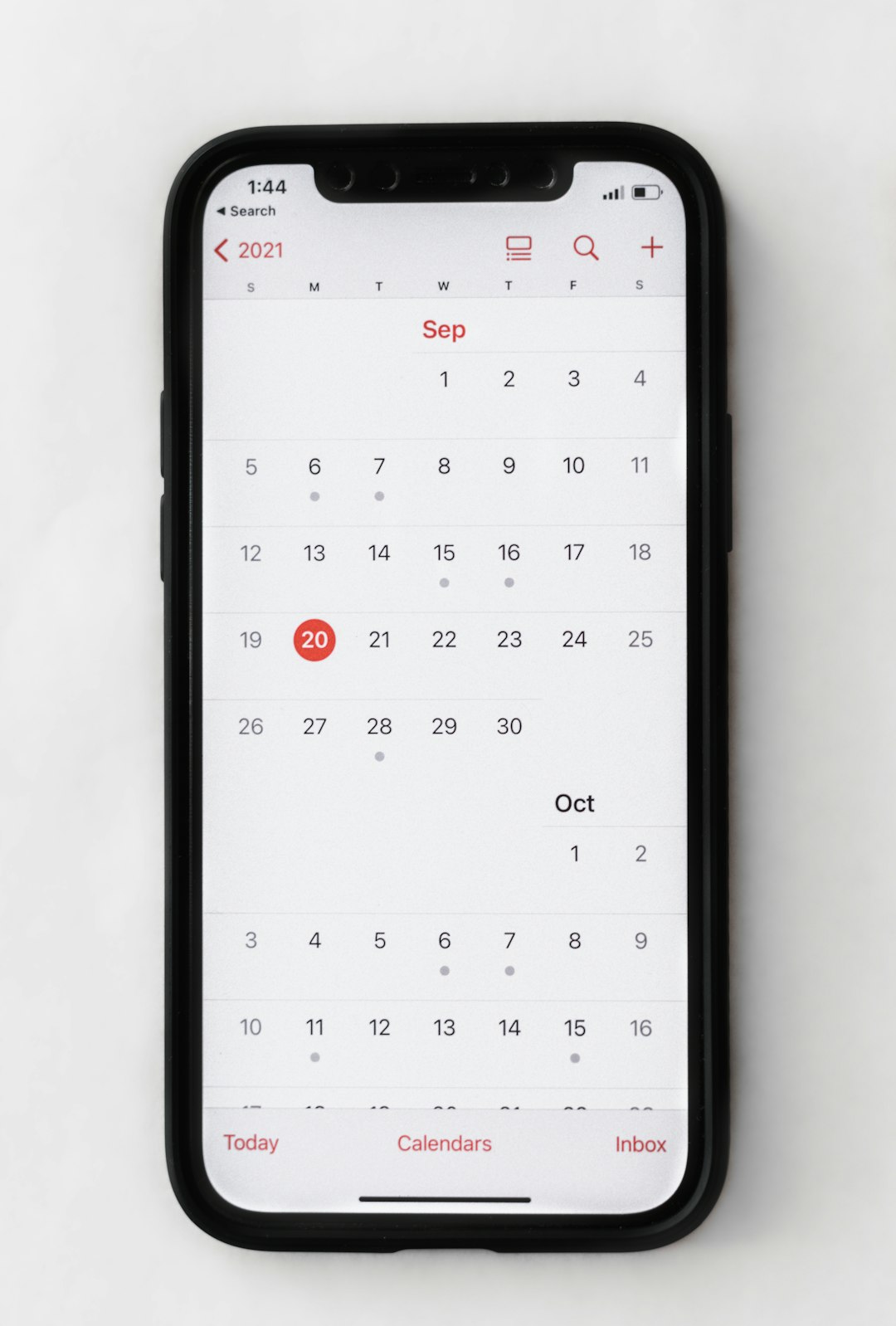
Your calendar has clues. It knows where your time went. It also knows what is coming next. A smart review can scan meetings, calls, events, and deadlines.
It can ask simple questions. Did that meeting create follow-up tasks? Do you need prep time tomorrow? Is your schedule too packed? Do you have lunch, or are you planning to survive on crumbs and hope?
3. Goal Tracking
Goals are easy to set. They are harder to remember. A Daily Smart Review brings them back into view.
It can show progress toward a goal. It can remind you of the next small step. It can ask if today matched your bigger plan.
For example, if your goal is to write a book, the review may ask, “Did you write 300 words today?” If your goal is to save money, it may ask, “Did you track spending today?” Small steps. Big results.
4. Habit Check-In
Habits are tiny votes for your future self. A smart review helps count those votes.
It may track water, sleep, exercise, reading, meditation, learning, or screen time. The point is not to shame you. The point is to notice patterns.
Missed a habit? Fine. Try again tomorrow. Hit a streak? Great. Give yourself a small parade. Confetti optional.

5. Mood and Energy Notes
Some days are productive because you have energy. Some days are slower because your brain feels like cold soup. A smart review can include mood and energy tracking.
This feature helps you understand yourself. Maybe you work best before lunch. Maybe long meetings drain you. Maybe you need more sleep after late nights. This is not magic. It is data with a cozy sweater.
6. Smart Prompts
Prompts are questions that guide your review. Smart prompts change based on your day.
If you missed three tasks, the prompt may ask, “What blocked you today?” If you had many meetings, it may ask, “What follow-up is needed?” If you completed a big task, it may ask, “What made this work?”
Good prompts are short. They should not feel like homework. They should feel like a flashlight.
7. Notes and Highlights
A Daily Smart Review can collect key notes. It can pull action items from meeting notes. It can save ideas. It can highlight important wins.
This is great for people who write notes everywhere. On apps. On paper. In chats. On napkins. Maybe once on a banana. No judgment.
8. Progress Insights
Smart reviews can show trends. They can reveal when you are most productive. They can show which goals are moving. They can show where things get stuck.
Insights help you adjust. If every Friday is overloaded, move deep work to Wednesday. If one task keeps getting delayed, break it into smaller pieces. If your energy drops each afternoon, plan lighter work then.
How a Daily Smart Review Usually Works
The flow can be very simple. In fact, simple is better. A review that takes one hour will soon be ignored. A review that takes five to ten minutes can become a daily habit.
- Look back: What happened today?
- Notice wins: What went well?
- Find gaps: What slipped?
- Learn: What caused the result?
- Plan next: What is the next clear step?
That is it. No cape needed. Though a cape would make it more dramatic.
Use Case 1: Personal Productivity
This is the classic use case. You want to get your life together. Or at least get tomorrow together. A Daily Smart Review helps you choose the right tasks, not just the loudest tasks.
It can show your top three priorities. It can remind you to reply to someone. It can flag unfinished items. It can help you plan a calmer tomorrow.
This works well for freelancers, managers, creators, parents, students, and anyone with a to-do list that keeps breeding.
Use Case 2: Work and Team Updates
Teams often need status updates. But status meetings can get long. Very long. Some become meetings about meetings. A Daily Smart Review can make updates faster.
Each person can answer simple questions.
- What did I finish?
- What am I working on now?
- What is blocked?
- Who needs to know?
This helps teams stay aligned. It also helps managers see risks early. No one has to wait until Friday to discover that Tuesday exploded.
Use Case 3: Project Management
Projects have many moving parts. Deadlines. Owners. Tasks. Files. Feedback. Snacks. A smart daily review can keep the project from drifting.
It can show what changed today. It can list open decisions. It can flag blockers. It can remind the team about the next milestone.
This is helpful for product launches, events, client work, software projects, and content calendars. It gives the project a daily heartbeat.
Use Case 4: Learning and Study
Students can use a Daily Smart Review to study better. Not longer. Better.
The review can track completed lessons. It can show quiz scores. It can ask what felt confusing. It can plan tomorrow’s study block.
A good study review may include:
- One thing learned: Keep it clear.
- One hard topic: Name the problem.
- One next action: Review, practice, or ask for help.
This turns learning into a feedback loop. Make a plan. Study. Review. Adjust. Repeat. Add snacks.
Use Case 5: Fitness and Health
A Daily Smart Review is useful for health goals too. It can track workouts, meals, sleep, water, steps, and mood.
It can help you see what works. Maybe you sleep better after evening walks. Maybe heavy meals make you sleepy. Maybe skipping breakfast turns you into a grumpy dragon.
The review should stay kind. Health is personal. The goal is awareness, not guilt.
Use Case 6: Creative Work
Creative people often have many ideas. That is fun. It can also get messy. A Daily Smart Review can catch ideas before they fly away.
Writers can review word counts. Designers can review drafts. Musicians can review practice. Video creators can review scripts, edits, and uploads.
It can also ask creative questions. What idea excited you today? What felt stuck? What should you explore tomorrow?
This keeps creativity moving. Not forced. Just gently guided.
Use Case 7: Mental Clarity
Sometimes the best use is not productivity. It is peace. A daily review can help clear your head.
You can write what bothered you. You can name one good moment. You can decide what to let go. You can close the day with less mental noise.
This is especially useful at night. Your brain gets to say, “Great, we wrote it down. We do not need to replay it at 2 a.m.”
What Makes a Review “Smart”?
A normal review asks the same questions every day. That can work. But a smart review adapts.
It may notice context. If you missed a goal for three days, it may ask why. If you completed many tasks, it may help you celebrate. If tomorrow is packed, it may suggest preparing tonight.
Smart does not mean complicated. It means helpful. It means the review gives you the right question at the right time.
Best Practices for a Daily Smart Review
Keep it simple. That is the golden rule. If your review feels like filling out tax forms on a treadmill, you will stop using it.
- Keep it short: Aim for five to ten minutes.
- Use the same time: Morning or evening works best.
- Pick a few metrics: Do not track everything.
- Be honest: The review is for you.
- Be kind: Missed tasks are data, not drama.
- End with action: Choose one next step.
Common Mistakes to Avoid
One mistake is tracking too much. More data does not always mean more clarity. Sometimes it means more tabs in your brain.
Another mistake is using the review to punish yourself. Do not do that. A smart review should be a coach, not a cranky judge with a clipboard.
A third mistake is not acting on the review. If you notice the same blocker every day, fix the blocker. If a task is too big, split it. If your schedule is packed, protect time.
A Simple Daily Smart Review Template
Here is a friendly template you can use today.
- Top win: What went well?
- Main challenge: What got in the way?
- Task check: What is done, open, or overdue?
- Goal check: Did I move one goal forward?
- Energy check: How did I feel today?
- Tomorrow: What are my top three priorities?
This is short. It is clear. It works. You can make it smarter by adding calendar details, habit data, or project updates.
Final Thoughts
A Daily Smart Review is a small habit with big power. It helps you notice. It helps you choose. It helps you improve without making life feel like a spreadsheet circus.
Use it for work. Use it for study. Use it for health. Use it for creative projects. Use it to calm your brain before bed.
The best review is the one you will actually do. Keep it short. Keep it kind. Keep it useful. Then watch your days become clearer, calmer, and a little less frog-filled.
