 logo
logo
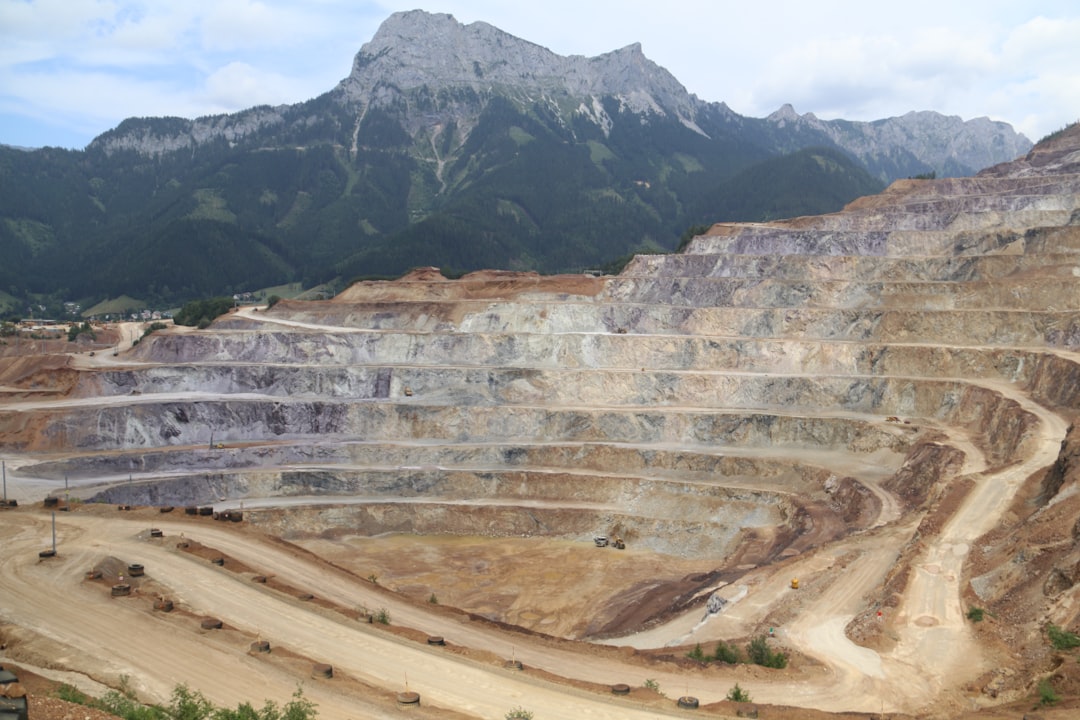
KoBold Metals has attracted significant attention because it sits at the intersection of two powerful investment themes: critical minerals and artificial intelligence. The company uses advanced data science, machine learning, and geological modeling to explore for metals such as copper, nickel, lithium, and cobalt—materials that are essential for electric vehicles, renewable energy infrastructure, batteries, and grid expansion. For investors, the key question is not simply whether KoBold is innovative, but whether there is a practical and sensible way to gain exposure to its potential growth.
TLDR: KoBold Metals is currently a private company, meaning there is no publicly traded “KoBold Metals stock” available on major exchanges. Investors interested in the company may need to look at indirect exposure through publicly traded mining companies, battery material producers, strategic partners, or private market opportunities if eligible. While the company’s technology driven exploration model is promising, investing in this theme involves substantial uncertainty, long development timelines, commodity price risk, and regulatory challenges.
Understanding KoBold Metals
KoBold Metals is a mineral exploration company focused on finding deposits of critical metals needed for the global energy transition. Unlike traditional exploration firms that rely heavily on field mapping, drilling history, and conventional geological interpretation, KoBold emphasizes data aggregation and predictive modeling. Its platform combines geological surveys, geophysical data, geochemical information, historical drilling records, satellite inputs, and proprietary algorithms to identify promising exploration targets.
This approach is important because mineral discovery is expensive, slow, and uncertain. Many exploration campaigns fail, even after significant spending. If KoBold’s technology can improve the probability of discovery or reduce the time required to identify high quality deposits, it could create meaningful economic value. That possibility is one reason investors, journalists, and industry observers have paid close attention to the company.
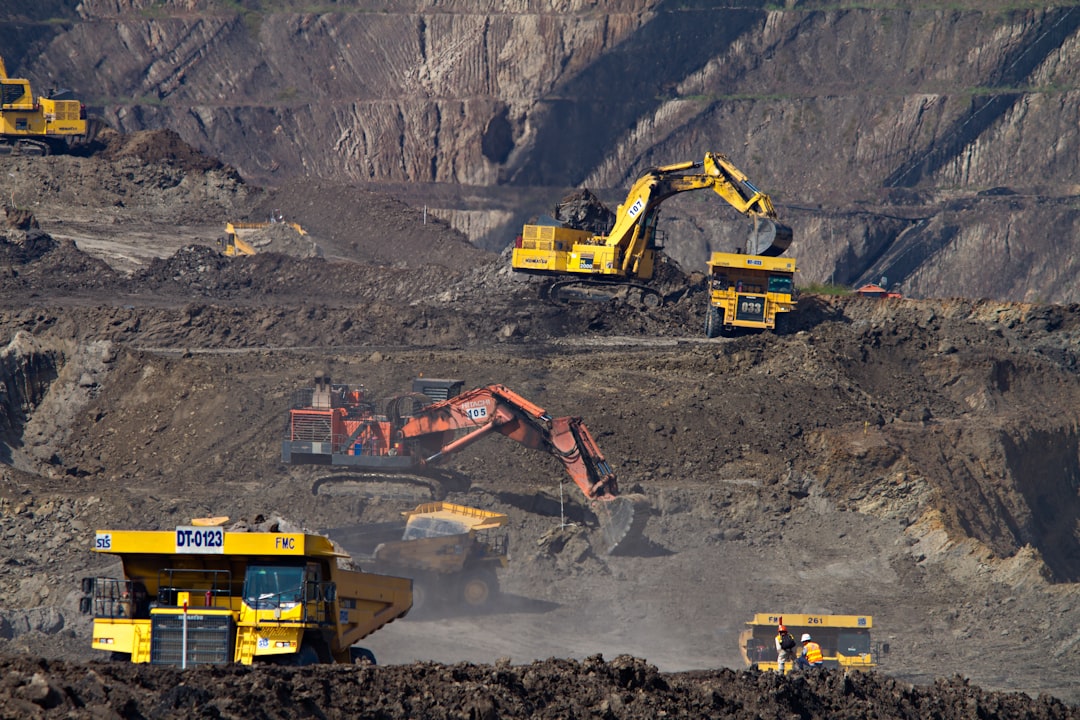
Is KoBold Metals Publicly Traded?
The most important point for investors is straightforward: KoBold Metals is not publicly traded. As of now, ordinary retail investors cannot buy KoBold Metals stock on exchanges such as the New York Stock Exchange or Nasdaq. There is no common ticker symbol available to the general public.
This distinction matters because online searches for “KoBold Metals stock” can create confusion. Some investors may assume that a high profile company has a public listing, especially if it has received backing from prominent investors or is connected to large industry themes. However, private companies raise money differently. They typically obtain capital from venture capital firms, institutional investors, strategic corporate partners, sovereign wealth funds, or accredited investors through private placements.
Because KoBold remains private, access is limited. In some cases, shares of private companies may become available through secondary market platforms, but these opportunities are usually restricted, illiquid, and suitable only for investors who understand private equity risk. Even then, availability may be sparse, pricing may be opaque, and transaction requirements can be significant.
Why Investors Are Interested
Investor interest in KoBold Metals is driven by several long term trends. The first is the accelerating demand for critical minerals. Copper is required for power transmission, electric vehicles, charging networks, and industrial electrification. Nickel and cobalt are used in certain battery chemistries. Lithium remains central to many rechargeable battery systems. As governments and corporations invest in decarbonization, the pressure to secure reliable mineral supply is likely to remain high.
The second driver is the challenge of new mineral discovery. Many high grade, easily accessible deposits have already been found. New discoveries may be located in remote regions, deeper underground, or in geologically complex settings. This increases exploration risk and cost. A company that can use artificial intelligence to improve discovery efficiency may have an advantage over competitors that rely only on traditional approaches.
The third factor is strategic importance. Critical minerals are not merely commodities; they are also tied to national security, supply chain resilience, and industrial policy. Countries are increasingly focused on reducing dependence on concentrated sources of supply. This creates opportunities for companies capable of identifying and developing new resources in stable jurisdictions.
Potential Investment Routes
Since direct public investment in KoBold Metals is generally unavailable, investors may consider indirect ways to gain exposure to similar themes. These alternatives do not replicate ownership in KoBold, but they may provide exposure to the same structural forces.
- Public mining companies: Large diversified miners with copper, nickel, lithium, or cobalt assets may benefit from rising demand for critical minerals.
- Specialized battery material companies: Public companies involved in lithium, nickel, graphite, or rare earth supply chains may offer more targeted exposure.
- Exchange traded funds: Thematic ETFs focused on mining, battery technology, electric vehicles, or clean energy supply chains can provide diversified access.
- Strategic partners and investors: If publicly traded companies have partnerships or financial relationships with KoBold, investors may monitor whether those links create meaningful exposure.
- Private market opportunities: Accredited investors may occasionally find access through private share platforms or venture funds, though these are higher risk and less liquid.
Each route has tradeoffs. Public miners often have diversified operations, which can reduce risk but also dilute exposure to any single mineral or technology. Thematic ETFs offer convenience and diversification, but they may include companies only loosely connected to the critical minerals thesis. Private market access may offer closer exposure, but it brings valuation, liquidity, and information risks.

What Makes KoBold’s Model Different?
Traditional exploration has always involved data, but KoBold’s stated advantage lies in the scale and sophistication of its data driven approach. The company seeks to use machine learning to identify patterns that might be missed by human interpretation alone. In theory, better models can help rank exploration targets, prioritize drilling programs, and allocate capital more effectively.
This does not eliminate geological risk. A model can improve decision making, but the ground still has to contain an economically viable deposit. Even after discovery, a project must go through resource estimation, feasibility studies, permitting, financing, construction, and eventual operation. These stages can take many years and require large amounts of capital.
For investors, this means KoBold should not be viewed as a simple software company. It operates in the mining value chain, where timelines are long and uncertainty is high. Its technology may be disruptive, but the outcomes still depend on physical assets, commodity markets, government approvals, environmental standards, and project execution.
Key Risks to Consider
A serious investment view must examine risk as carefully as opportunity. Critical minerals are attractive, but the sector is cyclical and complex. Prices can rise sharply during periods of shortage and fall when supply expands or demand expectations weaken. Investors who enter during periods of excitement may face volatility if commodity sentiment changes.
Exploration risk is also significant. Many exploration targets never become mines. Even promising discoveries may prove too small, too low grade, too remote, or too expensive to develop. For private companies, investors may have less access to detailed project economics and independent technical reports.
Financing risk is another concern. Mine development can require hundreds of millions or even billions of dollars. If capital markets tighten, projects may be delayed or diluted through additional fundraising. Private shareholders can face dilution if later rounds occur at different valuations.
Regulatory and environmental risk should not be underestimated. Mining projects must often satisfy strict permitting requirements, community consultation processes, environmental reviews, and water management standards. These obligations are necessary, but they can lengthen timelines and increase costs.
Finally, there is valuation risk. Companies associated with artificial intelligence and clean energy can attract premium valuations. A compelling narrative does not guarantee attractive investment returns if the entry price is too high. Investors should distinguish between a strong company, a strong trend, and a strong investment at a specific valuation.
How to Evaluate the Opportunity
Investors considering exposure to the KoBold Metals theme should begin with a structured due diligence process. The first step is identifying whether the investment is direct or indirect. Direct private exposure requires careful review of share class, valuation, transfer restrictions, financial statements, and investor rights. Indirect exposure through public securities requires analysis of company fundamentals, balance sheets, project pipelines, and commodity sensitivity.
Second, investors should examine the mineral focus. Copper exposure is different from lithium exposure, and lithium exposure is different from cobalt exposure. Each commodity has its own supply demand dynamics, substitution risks, geographic concentration, and price behavior.
Third, it is useful to evaluate management quality and technical expertise. In mining, experienced teams matter. A company may have impressive technology, but it still needs geologists, engineers, permitting specialists, project developers, and commercial partners capable of moving assets forward.
Fourth, investors should consider time horizon. Critical mineral exploration is not a short term trading story. Discoveries and developments can take years to translate into revenue. This theme is better suited to patient capital that can tolerate uncertainty and volatility.
Image not found in postmetaCould KoBold Metals Go Public?
It is possible that KoBold Metals could pursue an initial public offering in the future, but there is no guarantee. Companies typically go public when they believe public markets will provide attractive access to capital, liquidity for existing shareholders, and a valuation that reflects their growth prospects. Market conditions, company maturity, project milestones, and investor appetite all influence timing.
If KoBold eventually files for an IPO, investors should read the registration documents carefully. These filings generally provide detailed information about revenue, losses, ownership, risks, material projects, use of proceeds, and corporate governance. Until such documents exist, investors should be cautious about relying on speculation or promotional commentary.
Final Thoughts
KoBold Metals represents a serious and potentially important development in the search for critical minerals. Its use of artificial intelligence and large scale geological data addresses a genuine problem: the world needs more reliable supplies of metals required for electrification, yet traditional discovery is difficult and slow. That makes the company worth watching.
However, the phrase “KoBold Metals stock” can be misleading because the company is private. Most investors cannot currently buy shares directly, and any private market access should be approached with caution. For many investors, the more practical route is to study public companies, ETFs, and supply chain businesses that benefit from the same long term demand for critical minerals.
A trustworthy investment approach should balance enthusiasm with discipline. KoBold’s technology may improve the odds of discovery, but it does not remove the fundamental risks of mining. Investors should focus on valuation, liquidity, project quality, commodity exposure, and time horizon before committing capital. In a sector shaped by both opportunity and uncertainty, careful research remains the most valuable tool.
