 logo
logo
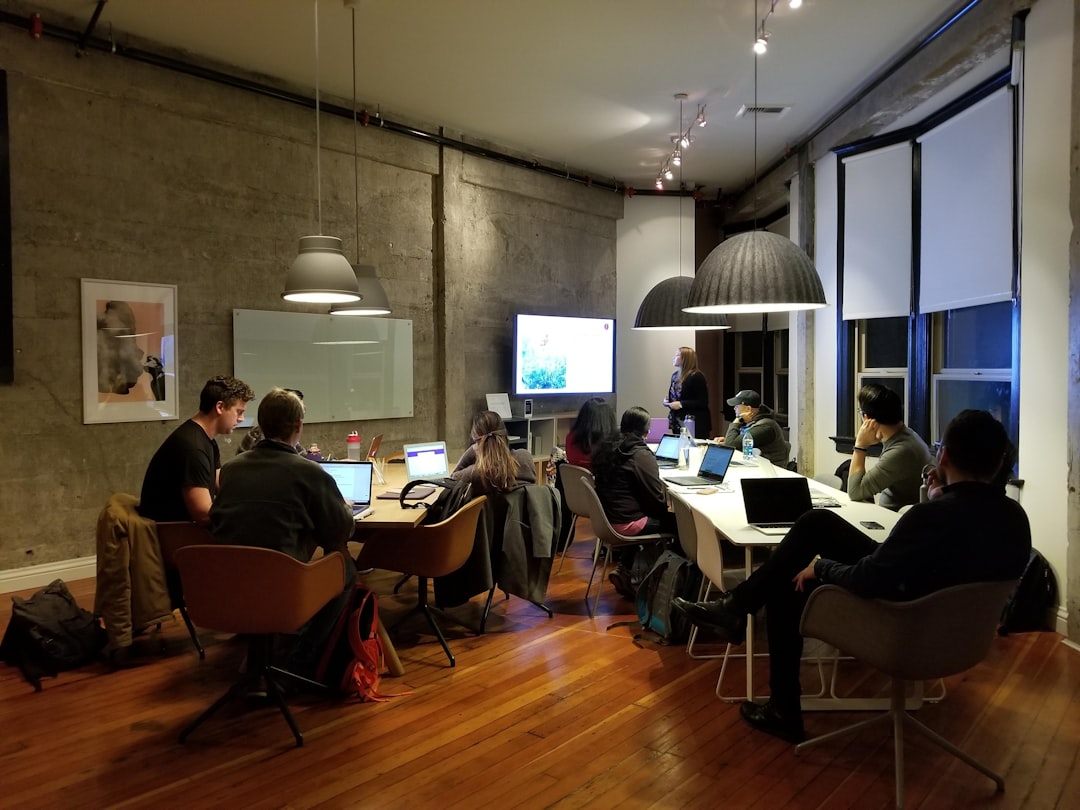
Meaningful activities do more than fill time; they connect action with purpose, identity, relationships, and growth. A useful strategy for creating them is to begin with the person or group’s values, then design activities that offer choice, achievable challenge, social connection, and reflection.
TLDR: A strong strategy for creating meaningful activities is to use a values based activity design approach. This means identifying what matters to the participant, matching activities to those values, and shaping the experience with choice, connection, and purpose. Activities become more meaningful when they are not only enjoyable, but also personally relevant, achievable, and worth remembering.
Starting With Meaning Instead of the Activity
Many activities are planned by asking, “What can people do?” A more effective question is, “What matters to the people involved?” This shift changes the activity from a task into an experience. For example, a gardening activity may be simply a way to pass time, but for someone who values independence, nature, family traditions, or nurturing living things, it can become deeply meaningful.
The strategy begins by understanding the participant’s values, interests, abilities, culture, memories, and goals. This can apply in schools, workplaces, community programs, senior care, therapy, family life, and personal development. The activity itself does not need to be complex. In many cases, the most meaningful activities are simple, repeated, and connected to everyday life.

The Values Based Activity Design Strategy
A practical strategy to help create meaningful activities is called values based activity design. It follows a step by step process that helps planners avoid generic activities and instead create experiences that feel personal, purposeful, and engaging.
1. Identify Core Values and Interests
The first step is to discover what gives the person or group a sense of meaning. This may include values such as creativity, service, learning, family, spirituality, leadership, independence, health, nature, or belonging. For some people, meaning comes from helping others. For others, it comes from mastering a skill, remembering the past, solving problems, or expressing emotions.
Information can be gathered through conversation, observation, life story work, surveys, or informal questions. Useful prompts include:
- What activities has the person enjoyed in the past?
- What roles have been important to the person? For example, teacher, parent, mentor, artist, builder, caregiver, or explorer.
- What topics naturally create energy or curiosity?
- What kind of contribution does the person like to make?
- What environments feel comfortable, inspiring, or safe?
This step matters because an activity that seems ordinary to one person may be significant to another. A cooking session may represent family, culture, independence, generosity, or creativity. A walking group may represent friendship, health, routine, or freedom.
2. Match the Activity to a Purpose
Once values are known, the activity should be linked to a clear purpose. Purpose gives the activity emotional weight. Instead of planning “a craft project,” the planner might create “a handmade card project for isolated neighbors.” Instead of organizing “a discussion group,” the facilitator might guide “a story sharing circle that preserves family memories.”
A meaningful purpose does not have to be dramatic. It can be one of the following:
- Connection: spending time with others, strengthening relationships, or feeling included.
- Contribution: helping, teaching, creating, repairing, or giving something to others.
- Growth: learning a skill, building confidence, or trying something new.
- Expression: sharing feelings, identity, culture, ideas, or memories.
- Restoration: reducing stress, reconnecting with nature, or finding calm.
When the purpose is clear, the activity becomes easier to adapt. If the goal is connection, conversation and cooperation should be built into the experience. If the goal is contribution, the final result should benefit someone else. If the goal is expression, personal choice and creativity become essential.
3. Build in Choice and Ownership
Meaningful activities usually include some form of choice. Choice creates ownership, and ownership increases engagement. Even small choices can change the emotional quality of an activity. A participant may choose the music, materials, role, pace, partner, topic, or final product.
This is especially important when activities are planned for people who often have limited control over their schedules, such as students, patients, employees in structured workplaces, or older adults in care settings. A person who is simply assigned an activity may comply, but a person who helps shape the activity is more likely to invest attention and emotion.
Ownership can be encouraged by asking participants to help plan, lead, adapt, or evaluate the activity. In a group setting, different roles can be offered: organizer, storyteller, designer, helper, photographer, researcher, or presenter. This allows people with different strengths to participate meaningfully.
4. Balance Challenge With Ability
An activity becomes meaningful when it is neither too easy nor too overwhelming. If it is too easy, it may feel empty or childish. If it is too difficult, it may create frustration or shame. The best activities often sit in the space of achievable challenge, where effort is required but success is possible.
This balance can be achieved by adapting the activity. A writing activity might allow some participants to write full stories while others record audio memories or choose images. A fitness activity might include seated, walking, and advanced options. A workplace learning activity might include beginner and advanced problem solving roles.
The goal is not perfect performance. The goal is active participation with dignity. When people feel capable, they are more likely to experience pride, focus, and satisfaction.
5. Include Social Connection
Human beings often find meaning through relationships. Even personally focused activities can become more meaningful when they include sharing, cooperation, mentoring, or recognition. A painting activity may become more powerful when participants explain the story behind their work. A cooking activity may become more memorable when the food is shared. A reading activity may become more engaging when it leads to discussion.
However, social connection should be thoughtful. Not everyone enjoys large groups or public attention. Some people prefer one to one interaction, quiet companionship, or independent work followed by optional sharing. Meaningful design respects personality, culture, and comfort level.
6. Add Reflection
Reflection helps participants recognize meaning after the activity is complete. Without reflection, even a valuable experience may pass quickly and be forgotten. Reflection can be brief and simple. The facilitator might ask:
- What part felt most enjoyable or important?
- What was learned?
- Who benefited from this activity?
- What memory, feeling, or idea did it bring up?
- What should happen next time?
Reflection can take many forms, including conversation, journaling, photos, group displays, short presentations, or private quiet time. The key is to help the participant connect the activity to identity, emotion, and purpose.

Examples of Meaningful Activity Design
In a senior community, a generic music session could become more meaningful by inviting residents to choose songs from important life periods and share memories connected to them. In a classroom, a science project could become meaningful by linking it to a local environmental issue. In a workplace, a team building activity could become meaningful by connecting it to a real service project rather than a temporary game.
At home, a family might turn meal preparation into a meaningful activity by preserving a grandparent’s recipe, assigning roles to children, and sharing stories during the meal. In each case, the strategy is the same: begin with values, connect to purpose, offer choice, support success, encourage connection, and reflect afterward.
Common Mistakes to Avoid
One common mistake is assuming that an activity is meaningful simply because it is fun. Enjoyment is valuable, but meaning often requires personal relevance. Another mistake is planning based only on convenience. Activities that are easy to organize may not always meet emotional, cultural, or social needs.
It is also important to avoid a one size fits all approach. The same activity can feel meaningful, boring, stressful, or even uncomfortable depending on the person. Planners should observe responses and be willing to adjust. Meaningful activity design is not a single event; it is an ongoing process of listening, adapting, and learning.
Conclusion
A strategy to help create meaningful activities is to design from values rather than from tasks. When activities reflect what people care about, they become more than entertainment or obligation. They support identity, confidence, relationships, and well being. By combining purpose, choice, achievable challenge, connection, and reflection, any planner can create activities that feel richer, more respectful, and more memorable.
FAQ
What makes an activity meaningful?
An activity becomes meaningful when it connects to a person’s values, interests, identity, relationships, or goals. It should feel personally relevant rather than merely scheduled.
Can simple activities be meaningful?
Yes. Simple activities such as walking, cooking, gardening, reading, or talking can be meaningful when they are connected to purpose, memory, choice, or connection.
How can a facilitator discover what activities are meaningful?
A facilitator can ask questions, observe reactions, learn about the person’s history, and notice which topics or roles create interest. Family members, friends, or colleagues may also provide helpful insight.
Why is choice important in meaningful activities?
Choice gives participants a sense of control and ownership. Even small decisions can make an activity feel more personal and respectful.
How can meaningful activities be improved over time?
They can be improved through reflection and feedback. After each activity, planners can ask what worked, what felt important, and what should be changed for the future.
