 logo
logo

Running a home services business is a daily balancing act. Whether you manage HVAC technicians, plumbers, electricians, cleaners, landscapers, pest control teams, or appliance repair specialists, the job involves far more than sending people to appointments. You need to schedule work, dispatch field staff, track invoices, communicate with customers, manage inventory, collect payments, and still leave room for growth. That is where home services management software becomes more than a convenience; it becomes the operational center of the business.
TLDR: The most valuable home services management software features are scheduling, dispatching, customer communication, invoicing, mobile access, reporting, and automation. For example, a plumbing company with 12 technicians could reduce missed appointments by 30% by using automated reminders and real-time dispatch updates. The best system should help office staff, field teams, and customers stay connected without adding unnecessary complexity.
Why the Right Software Matters
Home services businesses often grow through reputation, speed, and reliability. A customer does not simply want a technician; they want someone to arrive on time, understand the job, provide a clear estimate, complete the work, and make payment easy. If any part of that process breaks down, the customer experience suffers.
Older methods such as paper calendars, spreadsheets, sticky notes, and disconnected apps can work for a small operation, but they quickly create problems as the business scales. Double bookings, lost job notes, delayed invoices, and poor communication can all eat into profits. A well-designed home services platform brings these moving parts into one place, helping teams become faster, more organized, and more professional.

1. Smart Scheduling and Dispatching
Scheduling is one of the most important features in any home services management system. A strong scheduling tool should show who is available, where they are, what skills they have, and which jobs are already assigned. This helps office teams avoid overbooking and gives technicians a realistic daily route.
Dispatching should also be dynamic. If an emergency call comes in, the dispatcher should be able to identify the closest qualified technician and reassign work without confusing the entire team. Drag-and-drop calendars, color-coded job statuses, and map-based scheduling can save hours each week.
Look for features such as:
- Real-time technician availability so teams can respond quickly.
- Route optimization to reduce travel time and fuel costs.
- Job status tracking from scheduled to completed.
- Recurring appointment scheduling for maintenance plans and repeat services.
2. Mobile Access for Field Teams
Field technicians should not have to call the office for every detail. A mobile app allows them to view job information, customer history, service notes, photos, estimates, forms, and payment options from their phone or tablet. This is especially important for businesses where technicians move from house to house all day.
The best mobile tools work even when internet access is weak. Offline access can be crucial in rural areas, basements, garages, or large properties where connectivity is unreliable. Once the device reconnects, the data should sync automatically.
Mobile access also improves accountability. Technicians can clock in, update job progress, capture before-and-after photos, collect customer signatures, and mark work as completed. This gives managers better visibility and reduces the need for manual follow-up.
3. Customer Relationship Management
A good customer relationship management feature, often called CRM, stores the details that help businesses deliver a personalized service. This includes contact information, property details, past jobs, equipment records, warranty notes, communication history, and customer preferences.
For example, an HVAC company can store the model and installation date of a customer’s furnace, making future maintenance visits faster and more accurate. A lawn care company can track lawn size, treatment history, and seasonal service preferences. These details may seem small, but they make the customer feel remembered and valued.
Useful CRM features include:
- Service history for every customer and property.
- Customer notes for access instructions, pets, gate codes, or special requests.
- Automated follow-ups after completed jobs.
- Segmentation for marketing campaigns and maintenance reminders.
4. Estimates, Invoices, and Payments
Cash flow is the lifeblood of a home services business. The faster you can create accurate estimates, convert them into jobs, send invoices, and collect payment, the healthier your business becomes. Software should make this process simple for both the company and the customer.
Technicians should be able to create estimates in the field, add parts or labor, apply discounts, and get customer approval on the spot. Once the job is finished, the estimate should convert into an invoice without retyping information. Customers should then be able to pay by card, bank transfer, or digital wallet.
Online payment options can significantly reduce delays. If customers can pay immediately from a link or mobile device, businesses spend less time chasing unpaid invoices. Some companies also benefit from deposits, installment options, or automatic billing for recurring services.

5. Automated Communication
Communication can make or break the customer experience. People want to know when the technician will arrive, who is coming, what the job will cost, and when the work is complete. Automated communication helps provide those answers without overwhelming office staff.
Important communication tools include appointment confirmations, reminder texts, technician arrival notifications, follow-up emails, review requests, and service completion summaries. These messages reduce no-shows, prevent confusion, and create a more polished customer journey.
For instance, a cleaning company that sends reminders 24 hours before an appointment and again when the team is on the way may see fewer cancellations and more positive reviews. Customers appreciate clarity, especially when service windows are tight.
6. Reporting and Analytics
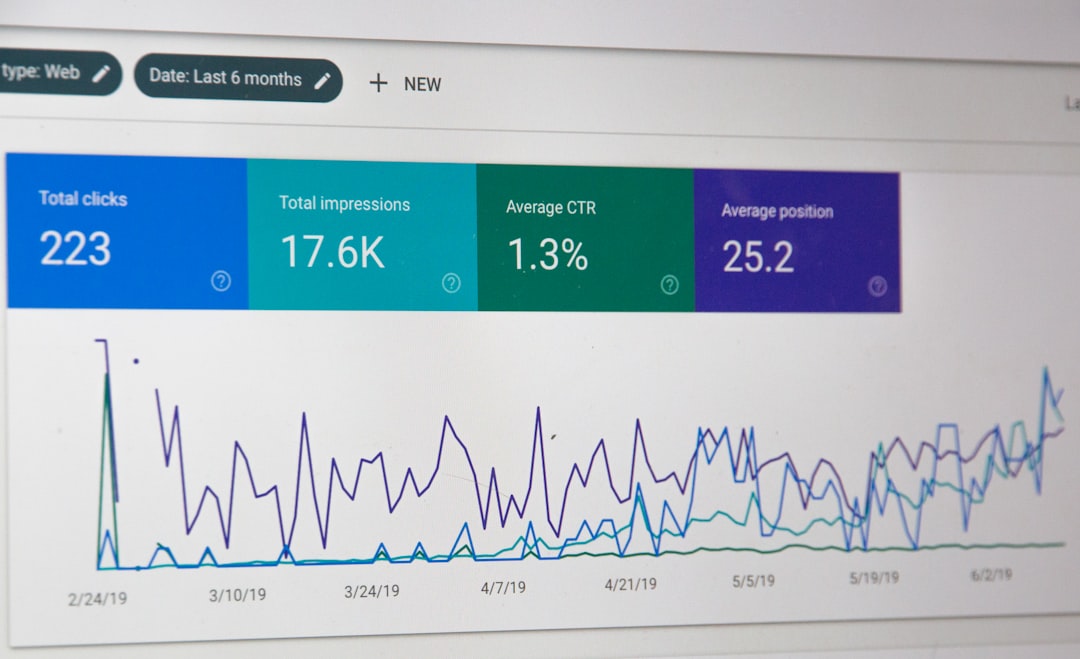
Home services businesses generate valuable data every day, but it is only useful if managers can understand it. Reporting tools help owners see what is working, what is slowing the business down, and where money is being lost.
Good software should provide dashboards for revenue, completed jobs, technician performance, customer retention, average job value, new leads, invoice aging, and marketing results. These metrics help turn assumptions into decisions.
For example, if reports show that one technician completes 20% more jobs per week while maintaining high customer ratings, managers can study that person’s workflow and train others accordingly. If a specific service has low profit margins, pricing or labor allocation may need to be adjusted.
7. Inventory and Equipment Tracking
Many home services rely on parts, tools, chemicals, equipment, and materials. Without accurate tracking, technicians may arrive without the right item, causing delays and return visits. Inventory tools help businesses know what is in stock, what is on each truck, and when supplies need to be reordered.
This feature is especially important for companies that handle appliance repair, HVAC, plumbing, pest control, or pool maintenance. The system should make it easy to attach parts to jobs, deduct inventory automatically, and alert staff when stock is low.
Equipment tracking is another valuable feature. Businesses can monitor company vehicles, tools, diagnostic equipment, and customer-installed systems. This reduces loss, improves maintenance planning, and supports better job preparation.
8. Integration With Other Business Tools
No software should operate like an island. Home services management software becomes more powerful when it connects with accounting platforms, payment processors, email marketing tools, phone systems, mapping services, and lead sources.
Accounting integration is particularly important. When invoices, payments, taxes, and expenses sync automatically, bookkeeping becomes easier and errors are reduced. Marketing integrations can also help businesses track which campaigns generate the best leads.
Before choosing software, ask whether it connects with the systems already used by your business. A platform with strong integrations can reduce duplicate data entry and make the entire operation more efficient.
9. Ease of Use and Training
Even the most powerful software will fail if the team does not use it. Ease of use matters greatly, especially for field staff who need quick access while working under time pressure. The interface should be clear, mobile-friendly, and practical.
Training and customer support are also essential. Look for onboarding help, tutorials, live support, knowledge bases, and responsive service teams. A smooth rollout can prevent frustration and encourage adoption across the company.
It is also wise to involve both office staff and technicians during the selection process. Each group uses the software differently, and their feedback can reveal whether the system is truly practical.
10. Automation That Saves Time
Automation is one of the biggest advantages of modern home services management software. The goal is not to replace people, but to remove repetitive tasks so employees can focus on higher-value work.
Examples of useful automation include:
- Sending appointment reminders automatically.
- Creating recurring maintenance jobs.
- Following up with customers after service.
- Assigning leads to sales or dispatch staff.
- Generating invoices after job completion.
- Requesting reviews from satisfied customers.
These small automations add up. Saving five minutes per job may not sound dramatic, but for a business completing 300 jobs per month, that equals 25 hours saved.
Choosing the Features That Fit Your Business
The best home services management software is not always the one with the longest feature list. It is the one that solves your most urgent operational problems. A small cleaning company may prioritize recurring scheduling and customer reminders, while a growing HVAC company may need inventory, equipment history, technician tracking, and advanced reporting.
Before committing to a platform, identify your top pain points. Are invoices going out too late? Are technicians missing information? Are customers calling for arrival updates? Are managers unsure which jobs are profitable? Let these questions guide your decision.
Ultimately, the right software should help your business deliver faster service, clearer communication, better organization, and a more professional customer experience. When the features match the daily realities of the business, home services management software becomes a growth engine rather than just another digital tool.
