 logo
logo
Base44 is the better fit for teams that want an AI-assisted app prototype quickly, while Quickbase is the stronger choice for governed, operation-heavy business apps. Base44 focuses on turning plain-language ideas into working software with less setup. Quickbase focuses on structured data, workflow control, reporting, permissions, and scale. For most business teams, the decision comes down to speed versus control.
TLDR: Base44 suits small teams that need a working app in hours or days, such as a sales manager creating a simple lead tracker from a written prompt. Quickbase suits larger teams that need reliable workflows, audit trails, role-based access, and complex reporting. A 25-person operations team might use Base44 to test an internal request app, then choose Quickbase if the app must support 300 users, 12 approval steps, and strict data rules.
What Base44 and Quickbase Are Built For
Base44 is an AI-first no-code platform aimed at building business apps from natural language prompts. A user describes an app, and the system generates screens, data structures, and basic workflows. This makes it attractive for founders, department heads, and lean teams that do not want to start with database design.
Quickbase is a mature no-code platform for business applications, process automation, and data management. It is often used by operations, construction, manufacturing, finance, and service teams. Its strength is not flashy app generation. Its strength is turning messy processes into controlled systems that multiple teams can trust.

Ease of Use
Base44 feels faster at the start. A user can describe an app in plain English and get a usable first version without thinking through every field, table, and view. That is helpful when the goal is to test an idea quickly. It also reduces the blank-page problem that slows many no-code projects.
Quickbase has more structure. Users usually need to understand tables, relationships, forms, reports, roles, and automations. That sounds heavier because it is. The payoff comes later, when the app needs to support deeper business logic and cleaner data handling.
The catch is that quick starts can hide future cleanup work. A Base44 app may look useful on day one, but a team may still need to refine data models, access rules, and process steps. Quickbase may feel slower on day one, yet it often creates a sturdier foundation.
AI App Building vs Process Control
Base44’s main appeal is its AI-guided creation flow. A user can ask for a customer portal, project tracker, onboarding dashboard, or inventory tool. The platform generates much of the app structure. This is useful for teams that know what they want but do not know how to map it into a technical build.
Quickbase also supports automation and smarter app development features, but its core identity is different. It is less about asking AI to create a full app from a prompt. It is more about building business systems that track work, connect data, trigger approvals, and surface reports.
- Base44 works well for: prototypes, MVPs, internal tools, simple dashboards, and fast idea testing.
- Quickbase works well for: operational systems, regulated workflows, cross-team processes, and reporting-heavy apps.
Customization and Flexibility
Base44 gives users a quick path to a custom-looking app. Teams can create interfaces and flows without building everything by hand. For straightforward use cases, that may be enough. A marketing team could build a campaign request tool. A startup could create a customer feedback portal. A manager could create a staff task board.
Quickbase gives deeper control over business logic. It handles complex relationships between data sets better. For example, a company can connect projects, budgets, vendors, purchase orders, change requests, and approval histories inside one system. That level of structure matters when errors cost money.
It gets annoying when lightweight tools make a process seem simple, then struggle with edge cases. Quickbase is better suited for those edge cases. Base44 is better when the first working version matters more than long-term process depth.
Data Management and Reporting
Quickbase has a clear edge in data management. It supports robust tables, permissions, relationships, formulas, dashboards, and reporting. Teams can create views for executives, field workers, finance staff, and project owners. Each group can see what it needs without exposing everything.
Base44 can support business data, but it is more focused on app creation speed than deep administrative control. That can be fine for smaller projects. A basic CRM, content tracker, vendor list, or booking system may not need advanced data governance at first.
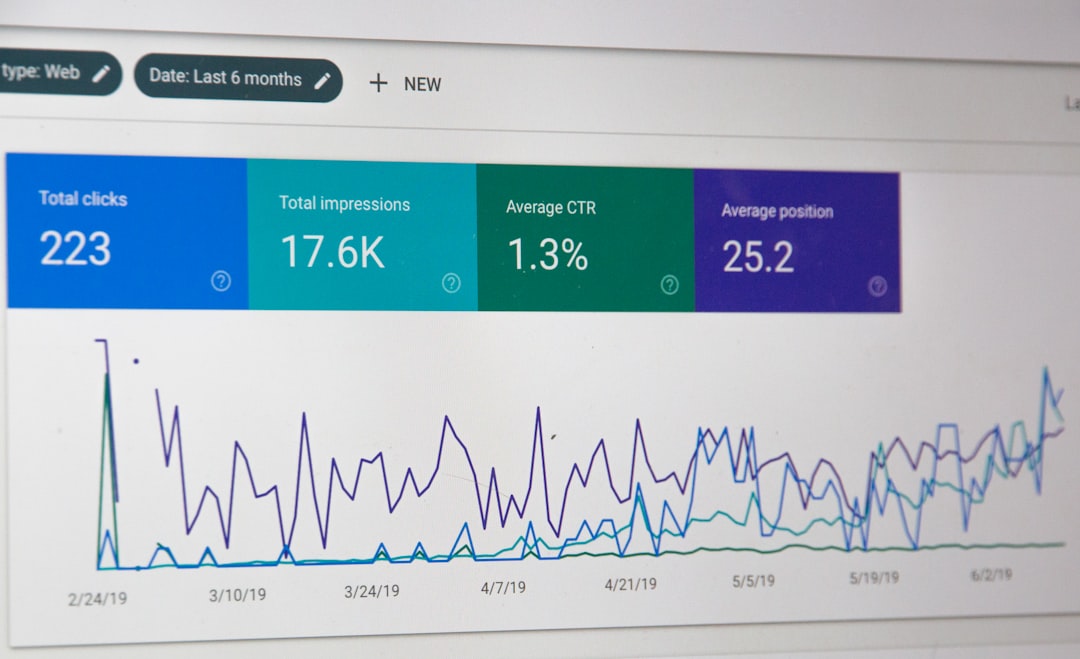
For reporting-heavy teams, Quickbase is usually the safer bet. If a manager needs weekly performance reports, exception alerts, audit history, and filtered dashboards for different roles, Quickbase has the stronger toolset.
Integrations and Automation
Quickbase offers strong integration options for business systems. Teams often connect it with tools for accounting, project management, CRM, file storage, and communication. It also supports workflow automation, so actions can trigger notifications, record updates, approvals, and task assignments.
Base44 may appeal more to teams that want the app created first and integrations added second. For simple use cases, that order makes sense. A small business may not need a large integration plan. It may only need a working app that replaces scattered spreadsheets.
Still, organizations with many systems should examine integration needs early. Rebuilding an app later because it cannot connect to core systems is painful. No team enjoys discovering that after users already rely on the tool.
Governance, Security, and Scale
Quickbase is better designed for governance. Admins can set roles, permissions, approval structures, and data access rules. Larger companies need that. A tool that works for five people can break down when 500 people use it across departments.
Base44 may be enough for small teams, prototypes, or internal apps with limited risk. It can help users move quickly without waiting for IT. That speed is valuable. Yet companies with strict compliance needs should review security, data location, access controls, and admin features before choosing it for sensitive workflows.
Pricing and Total Cost
Pricing comparisons should not stop at subscription fees. The real cost includes setup time, training, maintenance, integrations, and rework. Base44 may reduce initial build time. That can save money during experimentation.
Quickbase may cost more upfront and require more planning. However, it can cut costs later if it replaces several spreadsheets, manual approvals, and disconnected tools. For teams with expensive process errors, that matters more than the monthly price.
Which Platform Should a Business Choose?
A business should choose Base44 when speed, experimentation, and AI-assisted creation are the main goals. It is a strong fit for startups, small teams, and departments that need to prove an idea before investing in a full system.
A business should choose Quickbase when reliability, governance, reporting, and operational depth matter most. It is a stronger fit for teams managing complex processes, larger user groups, and data that must stay accurate.
A sensible path is to use Base44 for early validation and Quickbase for mature operations. Not every idea deserves a full enterprise build on day one. Not every working prototype should become the system that runs a critical department.
FAQ
Is Base44 better than Quickbase?
Base44 is better for fast AI-assisted app creation. Quickbase is better for complex business operations, reporting, permissions, and scale.
Is Quickbase hard to learn?
Quickbase has a steeper learning curve than simpler no-code tools. Business users can learn it, but stronger apps usually require planning and admin discipline.
Can Base44 replace spreadsheets?
Yes, Base44 can replace simple spreadsheets with basic apps, forms, and workflows. For advanced reporting or strict controls, Quickbase may be a better option.
Which is better for enterprise teams?
Quickbase is usually better for enterprise teams because it supports stronger governance, permissions, workflow control, and reporting.
Which platform is better for prototypes?
Base44 is usually better for prototypes because its AI-first approach helps teams create usable apps quickly from plain-language instructions.
Can a company use both platforms?
Yes. A company may use Base44 to test ideas quickly and Quickbase to run mature apps that need structure, scale, and long-term control.
