 logo
logo
The best way to measure brand awareness is to use Google Analytics 4 for on-site demand signals and Brandwatch for off-site conversation signals. Google Analytics shows whether awareness turns into visits, engagement, and conversions. Brandwatch shows whether people are talking about the brand, where they talk, and how they feel about it.
TLDR: Google Analytics is stronger for measuring branded traffic, direct visits, landing page engagement, and campaign impact once people reach the site. Brandwatch is stronger for tracking mentions, sentiment, share of voice, influencers, and social discussion before people click. For example, a skincare brand might see branded organic traffic rise 28% in GA4 after a TikTok campaign, while Brandwatch shows a 64% jump in mentions and a 7 point lift in positive sentiment. Together, the tools give a much cleaner view than either one alone.
Google Analytics vs Brandwatch: What Each Tool Actually Measures
Brand awareness is not one metric. It is a mix of recognition, recall, search demand, conversation volume, and audience perception. That is why measurement gets messy fast.
Google Analytics 4 measures what happens after someone reaches a website or app. It answers questions such as: how many people searched for the brand, clicked through, landed on the site, stayed, returned, or converted?
Brandwatch measures public conversation across social media, forums, blogs, news, reviews, and other online sources. It answers questions such as: who mentions the brand, how often, in what context, and with what sentiment?
The catch is that neither tool gives the full answer alone. GA4 misses much of the conversation that happens before a visit. Brandwatch cannot fully explain what users do after they arrive on the site.
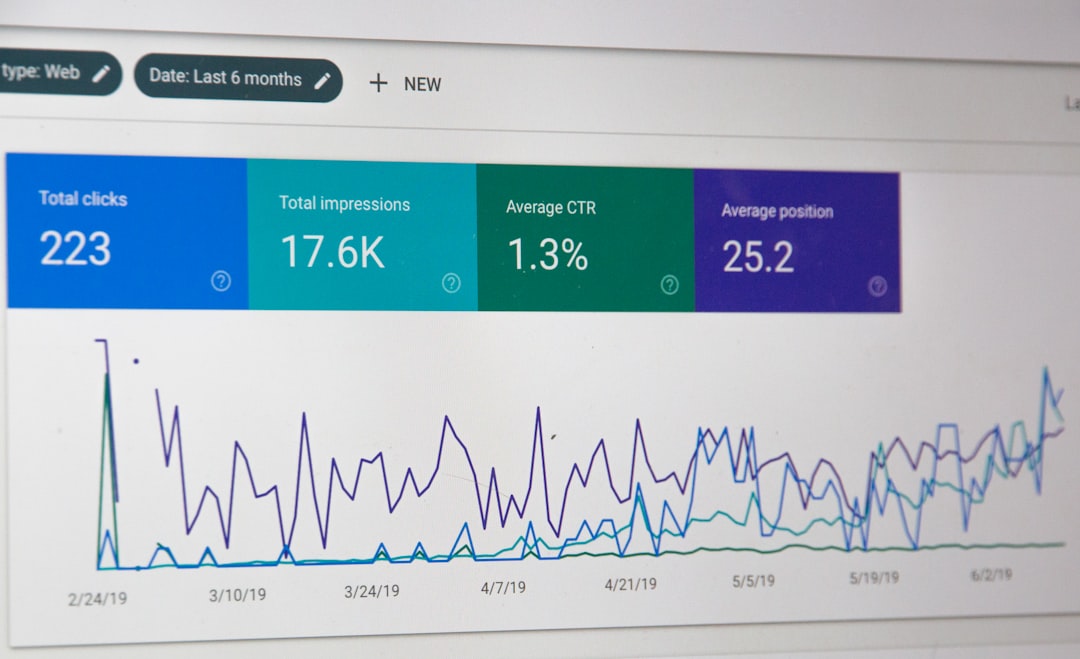
How Google Analytics Tracks Brand Awareness
Google Analytics is useful when brand awareness creates measurable website behavior. It is especially helpful for brands that run ads, PR campaigns, podcasts, events, SEO, influencer programs, or offline campaigns that push people to search or visit later.
The most useful GA4 indicators include:
- Direct traffic: A rise in direct visits can suggest stronger brand recall, though it is not perfect. Some traffic gets misclassified here.
- Branded organic search traffic: When connected with Google Search Console, GA4 can help show visits from brand-related search terms.
- New users: A campaign that reaches fresh audiences should increase new visitor volume.
- Returning users: Strong awareness often leads to repeat visits before purchase.
- Engaged sessions: Awareness is weak if users land and leave within seconds.
- Campaign traffic: UTM-tagged links show which awareness channels send visitors.
- Geo trends: Regional lift can show whether local media, events, or ads worked.
Honestly, it feels like GA4 sometimes hides simple answers behind too many clicks. A marketer may need to open acquisition reports, filter traffic sources, compare dates, and then check Search Console just to answer one basic question: did more people search for the brand this month?
Where Google Analytics Falls Short
GA4 is not a social listening tool. It cannot measure people talking about a brand on Reddit, TikTok, YouTube comments, Instagram captions, podcasts, or news articles unless those people click through to the website.
It also struggles with dark social. If someone shares a link in a private Slack group, WhatsApp message, or email thread, GA4 may show that visit as direct traffic. That makes the source unclear.
Another issue is intent. A spike in branded visits may look good, but GA4 will not explain whether the reason was a viral product launch, a bad review, a PR issue, or a celebrity mention. Traffic alone does not reveal sentiment.
How Brandwatch Tracks Brand Awareness
Brandwatch is built for awareness signals outside the company’s owned channels. It gathers public mentions and turns them into usable patterns. This is where it becomes valuable for brand, PR, social, and research teams.
Key Brandwatch metrics include:
- Mention volume: How often the brand is mentioned across tracked sources.
- Reach and impressions: Estimated audience size for those mentions.
- Share of voice: How much conversation the brand owns compared with competitors.
- Sentiment: Whether mentions are positive, negative, or neutral.
- Topic clusters: Common themes linked to the brand.
- Influencer activity: Accounts or publishers driving discussion.
- Channel split: Where the conversation happens, such as X, forums, blogs, or news.
For example, a running shoe company may find that total brand mentions rose from 8,000 to 13,500 after a marathon sponsorship. Brandwatch may also show that 42% of the conversation came from Instagram, while negative sentiment stayed below 9%. That is a much richer awareness signal than traffic alone.
Where Brandwatch Falls Short
Brandwatch is powerful, but it still has blind spots. It cannot see every private conversation. It may miss closed Facebook groups, private communities, messaging apps, or limited-access content.
Sentiment scoring can also be rough. Sarcasm, slang, memes, and mixed reviews confuse automated systems. A post saying “great, another subscription fee” may be tagged incorrectly without manual review.
Expect to waste time cleaning queries if the brand name is common. A company called “North” or “Muse” may need many exclusions to avoid unrelated mentions. That setup work is boring, but skipping it can poison the data.
Best Use Cases for Google Analytics
Google Analytics is the better option when the team needs to connect awareness to owned digital performance. It is best for:
- Tracking branded search traffic after a campaign.
- Measuring landing page engagement from awareness channels.
- Comparing new users before and after a PR push.
- Checking whether podcast, influencer, or sponsor links send traffic.
- Watching conversion paths after first brand exposure.
GA4 answers the business question: did awareness create action on the site?
Best Use Cases for Brandwatch
Brandwatch is the better option when the team needs to understand public attention and perception. It is best for:
- Tracking brand mentions across social and web sources.
- Comparing awareness against competitors.
- Measuring campaign buzz in real time.
- Finding audience complaints before they spread.
- Monitoring sentiment during product launches or PR issues.
Brandwatch answers the brand question: are people aware, and what are they saying?
How to Use Both Tools Together
The strongest setup combines both tools into one awareness framework. A team can start with a baseline from the previous 30, 60, or 90 days. Then it can track changes during and after each campaign.
A simple measurement plan may include:
- Before launch: Record branded search traffic, direct traffic, mention volume, sentiment, and share of voice.
- During campaign: Monitor daily mentions in Brandwatch and campaign traffic in GA4.
- After campaign: Compare the lift against the baseline and competitor activity.
- Review quality: Check whether traffic engaged and whether conversation was positive.
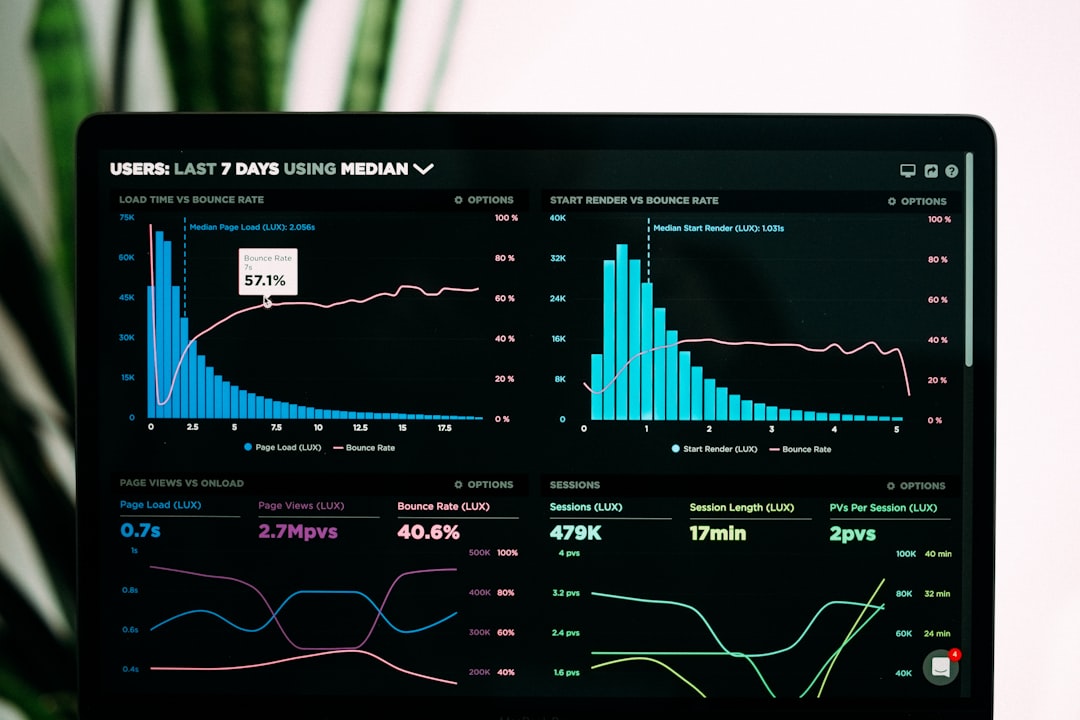
If Brandwatch shows a 50% increase in mentions but GA4 shows no rise in branded visits, the campaign may have created noise without demand. If GA4 shows more branded traffic but Brandwatch shows negative sentiment, the brand may be getting attention for the wrong reason.
Which Tool Is Better for Brand Awareness?
Brandwatch is better for measuring awareness as public conversation. It shows reach, mentions, sentiment, and competitive share of voice.
Google Analytics is better for measuring awareness as website demand. It shows whether brand attention turns into visits, engagement, and conversions.
The right choice depends on the question. For media coverage, social buzz, and reputation, Brandwatch wins. For branded traffic, campaign visits, and on-site behavior, Google Analytics wins. For serious brand tracking, both should be used together.
FAQ
Can Google Analytics measure brand awareness?
Yes, but only partly. Google Analytics can measure branded traffic, direct visits, engagement, and conversions. It cannot fully measure social conversation, sentiment, or public perception.
Can Brandwatch replace Google Analytics?
No. Brandwatch tracks external conversation and sentiment. It does not replace GA4 for website analytics, conversion tracking, or user behavior analysis.
What is the best metric for brand awareness?
There is no single best metric. Strong teams track several signals, including branded search traffic, direct traffic, mention volume, sentiment, reach, and share of voice.
How often should brand awareness be measured?
Monthly tracking works for ongoing brand health. During launches, PR events, or paid campaigns, daily tracking is more useful.
Which tool is better for small businesses?
Google Analytics is usually the starting point because it is free and tied to website performance. Brandwatch is stronger for companies that need social listening, competitor tracking, and reputation monitoring at scale.