 logo
logo
Use Modash when you need fast micro influencer discovery and follower count checks at scale; use HypeAuditor when audience quality, suspicious growth, and fake follower risk matter more. Both tools can measure influencer audience size, but they solve slightly different problems. Modash feels built for finding many creators quickly. HypeAuditor feels stronger when you want to inspect whether those follower numbers are actually worth trusting.
TLDR: For micro influencers, follower count alone is a weak metric, so the better tool depends on what you need next. A skincare brand checking 200 Instagram creators with 10,000 to 75,000 followers might use Modash to build a shortlist in under an hour, then use HypeAuditor to audit the final 20 for fake followers and growth spikes. If 18% of a creator’s audience looks suspicious, a “50K follower” profile may perform more like a clean 41K profile. Modash is better for speed; HypeAuditor is better for confidence.
Why micro influencer follower count is tricky
Micro influencers usually sit between 10,000 and 100,000 followers, though some brands use broader ranges. They are popular because they often have tighter communities, better comment quality, and lower fees than celebrity creators. That sounds great until you realize follower count is easy to misunderstand.
A creator with 42,000 followers may look solid. But if 9,000 followers are inactive, fake, irrelevant, or outside your target market, the real audience size shrinks fast. This is where tools like HypeAuditor and Modash become useful. They turn a visible number into something closer to a usable marketing signal.
HypeAuditor: stronger for audience quality checks
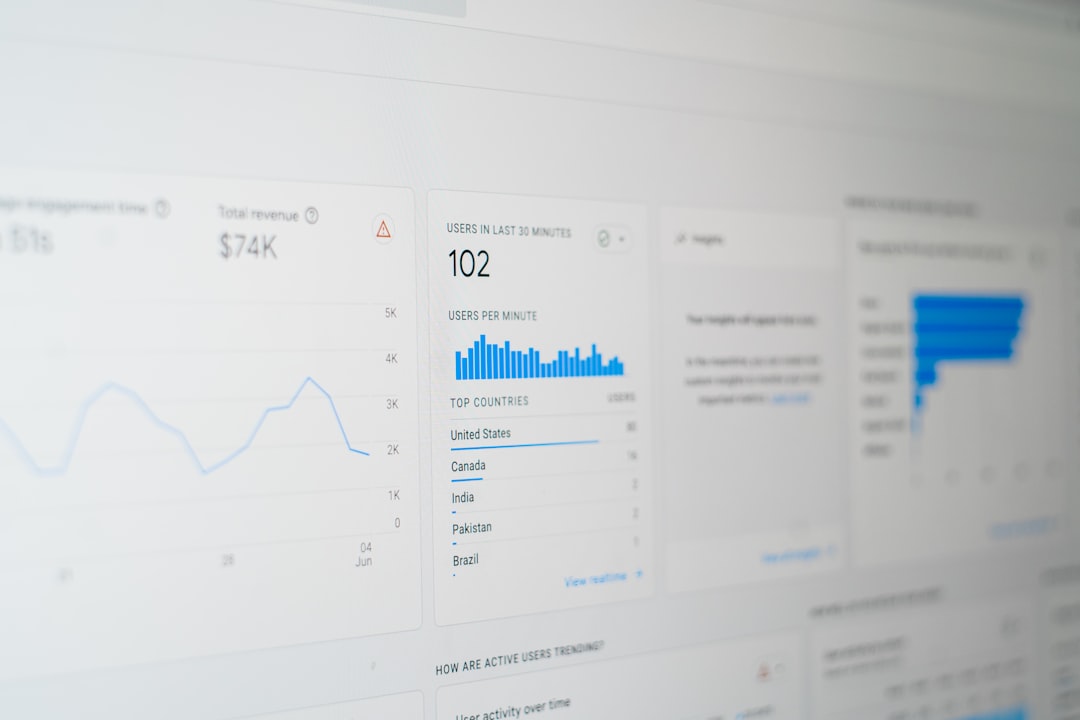
HypeAuditor is often chosen when brands care about audience authenticity. It looks beyond public follower numbers and adds context around follower quality, engagement patterns, audience demographics, and suspicious activity.
This matters a lot for micro influencers. Smaller creators can grow through genuine niche appeal, but they can also pad their numbers with poor-quality followers. A fake boost of 5,000 followers can completely distort a micro influencer’s value. On a 25,000-follower account, that is 20% of the audience.
HypeAuditor is useful when you want to answer questions like:
- Are the followers real?
- Did the creator grow naturally or through sudden spikes?
- Where is the audience located?
- Does the audience match the brand’s buyer profile?
- Is engagement coming from real people or low-quality accounts?
The platform is especially handy during final vetting. If you already have a list of creators, HypeAuditor helps you avoid paying for inflated reach. Honestly, it feels like follower count should be simple, but one audit can show how messy the number really is.
Modash: better for finding micro influencers quickly
Modash shines when the main job is discovery. It is built for searching large creator databases across platforms such as Instagram, TikTok, and YouTube. You can filter by follower count, location, engagement rate, audience details, bio keywords, hashtags, and more.
For micro influencer campaigns, this is a big win. Say you want food creators in Canada with 15,000 to 60,000 Instagram followers, at least 3% engagement, and an audience that is mostly women aged 25 to 34. Modash can help you build that list without manually searching Instagram for hours.
The real strength is speed. You can move from a broad search to a usable creator pool quickly. That matters when campaign deadlines are tight and someone has asked for “50 good options by tomorrow,” as if good options grow on trees.
Modash also helps with a common problem: creators who are not already in your network. Many influencer tools are best when you know who you want to inspect. Modash is helpful when you have no names yet and need to find them from scratch.
Follower count accuracy: what each tool does well
No third-party tool can promise perfect follower count accuracy every second of the day. Social platforms change constantly. Creators gain and lose followers. Some accounts have private data limits. So the better question is not “Which tool is perfect?” It is “Which tool gives the right kind of confidence for this task?”
Modash is usually stronger for checking follower count across a large number of profiles. It is practical for filtering and sorting. If your campaign brief says micro influencers only, you can set follower ranges and remove profiles that are too small or too large.
HypeAuditor is stronger for explaining whether that follower count should be trusted. It may show authenticity indicators, audience quality scores, and patterns that suggest paid followers or engagement manipulation.
Think of it this way:
- Modash answers: “Who fits the size and niche?”
- HypeAuditor answers: “Can we trust this audience?”
Best use case for HypeAuditor
Choose HypeAuditor if your biggest risk is wasting money on inflated creators. It makes sense for brands with higher influencer fees, strict reporting needs, or concerns about fraud.
For example, a fitness brand may be choosing between five micro influencers. Each has around 50,000 followers. On the surface, they look similar. HypeAuditor might show that one has a strong local audience and steady growth, while another has repeated follower spikes and a high share of suspicious accounts. That changes the decision fast.
HypeAuditor is also helpful for agencies. Clients often ask why one creator was approved and another was rejected. Audience quality data gives account managers a clearer answer than “the profile looked better.”
Best use case for Modash
Choose Modash if your main challenge is building a large, relevant creator list. It is well suited for ecommerce brands, affiliate campaigns, gifting campaigns, and niche product launches.
For example, a pet supplement brand could search for dog creators with 10,000 to 80,000 followers, located in the United States, with audience data that matches pet owners. The team can then export or save prospects, contact creators, and track outreach work.
Expect to waste time on manual review if your filters are too broad. That is not really Modash’s fault. It is just the pain of influencer discovery. A search for “beauty creators” may return a mountain of profiles. A search for “cruelty free skincare creators in the UK with 20K to 70K followers” is far more useful.
Pricing and workflow considerations
Pricing can shift, so check current plans before deciding. Still, the workflow difference is more important than the sticker price. If one tool saves your team five hours per campaign, that may matter more than a small monthly price gap.
Modash tends to fit teams that need volume. HypeAuditor tends to fit teams that need proof. Some brands use both: Modash for discovery, HypeAuditor for final checks. That combo works especially well for micro influencer campaigns because the margin for error is small.
A bad creator choice at celebrity level is expensive. A bad creator choice at micro level is quieter, but it adds up. Ten weak micro influencers can drain budget, product samples, shipping costs, and reporting time.
Which tool should you pick?
If you only need one tool, pick based on your bottleneck.
- Pick Modash if you need to find micro influencers by follower count, niche, location, and audience fit.
- Pick HypeAuditor if you already have creators and need to check audience quality, authenticity, and fake follower risk.
- Use both if influencer marketing is a repeat channel and bad audience data would cost you money.
For most growing brands, the smartest workflow is simple: use Modash to create the pool, then use HypeAuditor to reduce risk before contracts go out. Follower count gets you started. Audience quality tells you whether that number deserves your budget.
