logo
logo
Rank Math is usually the better choice for managing several WordPress target keywords across a growing content site, while Yoast SEO is safer for teams that want a stricter, simpler writing checklist. If your site has one editor and a limited keyword plan, Yoast keeps decisions clean. If you run many posts, clusters, and secondary keywords, Rank Math gives you more control without needing a paid plan right away.
TLDR: Choose Rank Math if you want to assign multiple focus keywords, connect SEO analytics, and review keyword performance from inside WordPress. Choose Yoast SEO if you prefer a mature, conservative tool that keeps writers focused on one main search intent per page. For example, a small affiliate site with 120 posts may save 3 to 5 hours per month using Rank Math’s keyword and analytics panels, while a law firm publishing four service pages a month may get cleaner drafts from Yoast’s simpler traffic-light system.
How WordPress target keywords work in both plugins
Both Yoast SEO and Rank Math let you set a focus keyword, sometimes called a focus keyphrase. The plugin then checks your page title, meta description, URL slug, headings, image alt text, and body copy. This does not directly tell Google what to rank. It helps you keep the page aligned with the term you want to earn traffic for.
The real job is not “adding keywords.” The real job is matching search intent. A page targeting best running shoes for flat feet should not read like a product category page for all shoes. The plugin can flag missing keywords, but it cannot fully judge intent, expertise, or usefulness.

Yoast SEO: best for disciplined single keyword optimization
Yoast SEO has been a standard WordPress plugin for years. Its biggest strength is clarity. You enter a focus keyphrase, and Yoast gives feedback through familiar colored signals. Green means good. Orange means needs work. Red means the page has clear issues.
For target keyword management, Yoast works best when each page has one primary purpose. That fits service businesses, local companies, consultants, medical practices, legal sites, and publishers with strong editorial oversight.
Yoast SEO is strong at:
- Keeping writers focused on one main keyword and intent.
- Readability checks that help reduce bloated paragraphs and awkward structure.
- Page-level SEO basics, including titles, descriptions, slug checks, and internal signals.
- Editorial consistency for teams that do not want too many settings.
The catch is that Yoast can feel restricted if you manage keyword clusters. In the free version, the workflow is centered on one focus keyphrase. Premium features expand this with related terms and extra content checks, but the cost becomes part of the decision.
Yoast also pushes alerts that are not always worth obeying. A page can rank well with an orange score. A page can fail with a green score. It drives me crazy when teams rewrite natural copy just to satisfy a plugin signal. The score should guide judgment, not replace it.
Rank Math: better for multiple keywords and site-wide control
Rank Math is more flexible for keyword work. It allows multiple focus keywords in its standard workflow, which makes it attractive for content teams targeting primary, secondary, and long-tail terms on the same page.
For example, a post targeting WordPress SEO checklist may also support SEO checklist for blog posts, WordPress on page SEO, and SEO settings for WordPress. Rank Math makes that easier to track while editing.
Rank Math is strong at:
- Multiple focus keywords without forcing every page into a single-term model.
- Richer dashboards for SEO scores, indexing status, and analytics connections.
- Modular settings, so advanced users can turn features on or off.
- Content operations for sites with many posts, categories, and topic clusters.
Rank Math’s weakness is also its strength. There are many panels, toggles, scores, and setup choices. Honestly, it feels like a five-minute task can become a 20-minute settings review if the site owner has no clear SEO process. Beginners may chase numbers instead of improving the page.
Keyword management comparison
The main difference is not only features. It is philosophy. Yoast SEO is more controlled. Rank Math is more feature-rich. Your best choice depends on how many keywords you manage and who writes the content.
| Area | Yoast SEO | Rank Math |
|---|---|---|
| Best use case | Simple pages with one clear target keyword | Content sites with several related keywords per page |
| Ease of use | Cleaner for beginners | More powerful, but busier |
| Keyword workflow | Strong single-keyphrase discipline | Better for multiple focus keywords |
| Editorial control | Good for teams with non-SEO writers | Good for SEO-led teams |
| Risk | Over-trusting traffic-light scores | Overusing features and settings |
Which plugin gives better keyword advice?
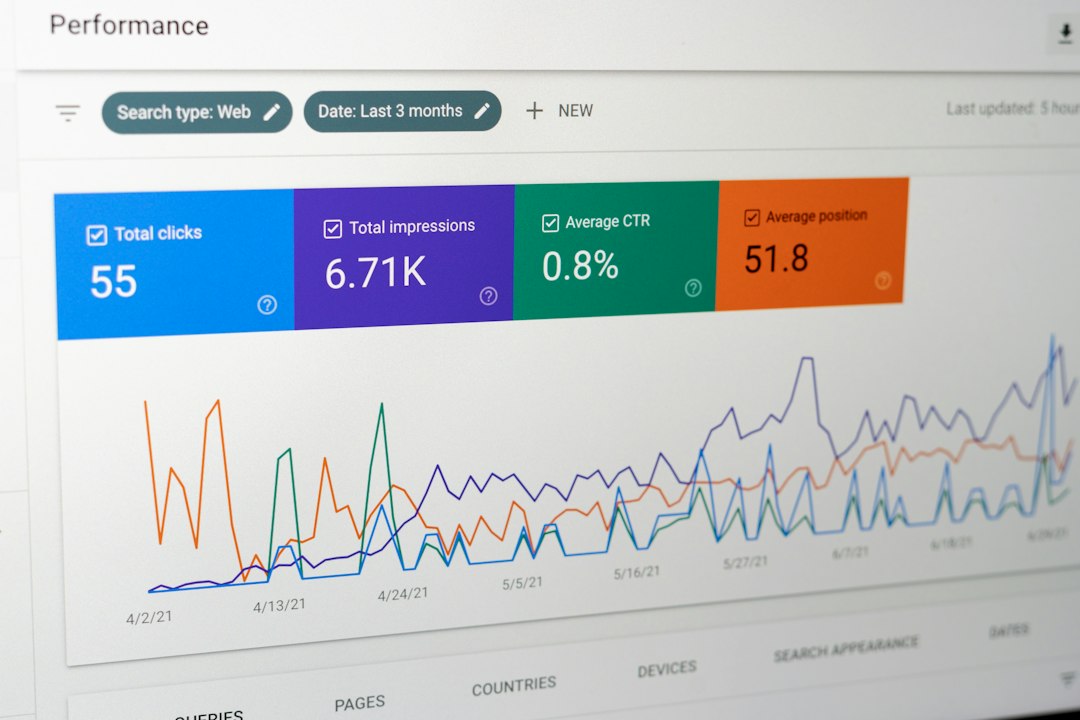
Neither tool is a full keyword research platform. Both are better described as on-page keyword management tools. You should still use Google Search Console, keyword research software, competitor pages, and real search results before choosing targets.
Yoast gives practical advice about placement and readability. It is useful when writers forget basics, such as placing the main keyword in the SEO title or writing a clear meta description. Rank Math gives broader scoring and more keyword fields, which suits advanced content planning.
If you already have a keyword map with primary and secondary terms, Rank Math fits that process better. If your team needs guardrails, Yoast may prevent messy optimization.
What about SEO scores?
SEO scores are useful, but they are not rankings. A score of 90 does not guarantee traffic. A green Yoast signal does not mean the page deserves page one.
Use plugin scores to catch missed basics:
- Missing or weak SEO title.
- No keyword in the opening section.
- Thin content that does not answer the query.
- Poor heading structure.
- Images with no useful alt text.
- Meta descriptions that are too vague.
Then check the page against real search results. If the top-ranking pages all include pricing tables, examples, FAQs, and product comparisons, your short opinion post will struggle even with a perfect plugin score.

Practical recommendation
Use Yoast SEO if you publish fewer pages, have less technical staff, or want a clean writing process. It is especially good for local business websites, professional service sites, and teams that need simple rules.
Use Rank Math if you manage a larger content plan, build topic clusters, or want multiple target keywords per article. It is a stronger match for affiliate sites, niche publishers, SaaS blogs, ecommerce content hubs, and SEO teams that review performance often.
A good rule is simple: if your content brief has one target keyword, Yoast is enough. If your brief has one primary keyword, three secondary keywords, and a cluster plan, Rank Math will feel more efficient.
Best workflow for either plugin
Whichever plugin you choose, use a repeatable process. Do not start with the plugin score. Start with the search result.
- Pick one primary keyword based on intent, volume, and business value.
- Choose two to five supporting terms that fit the same page naturally.
- Review the top results and list what they cover well.
- Write the page for the reader first, then use the plugin to check structure.
- Set the SEO title and meta description with a clear reason to click.
- Update the page after indexing using Google Search Console query data.
For serious keyword management, the winner is not the plugin with the prettiest score. It is the plugin that matches your publishing process. Yoast SEO wins on simplicity and editorial discipline. Rank Math wins on flexibility, multi-keyword handling, and operational control. Pick the one your team will use correctly every week, because consistent execution beats a crowded settings panel.