


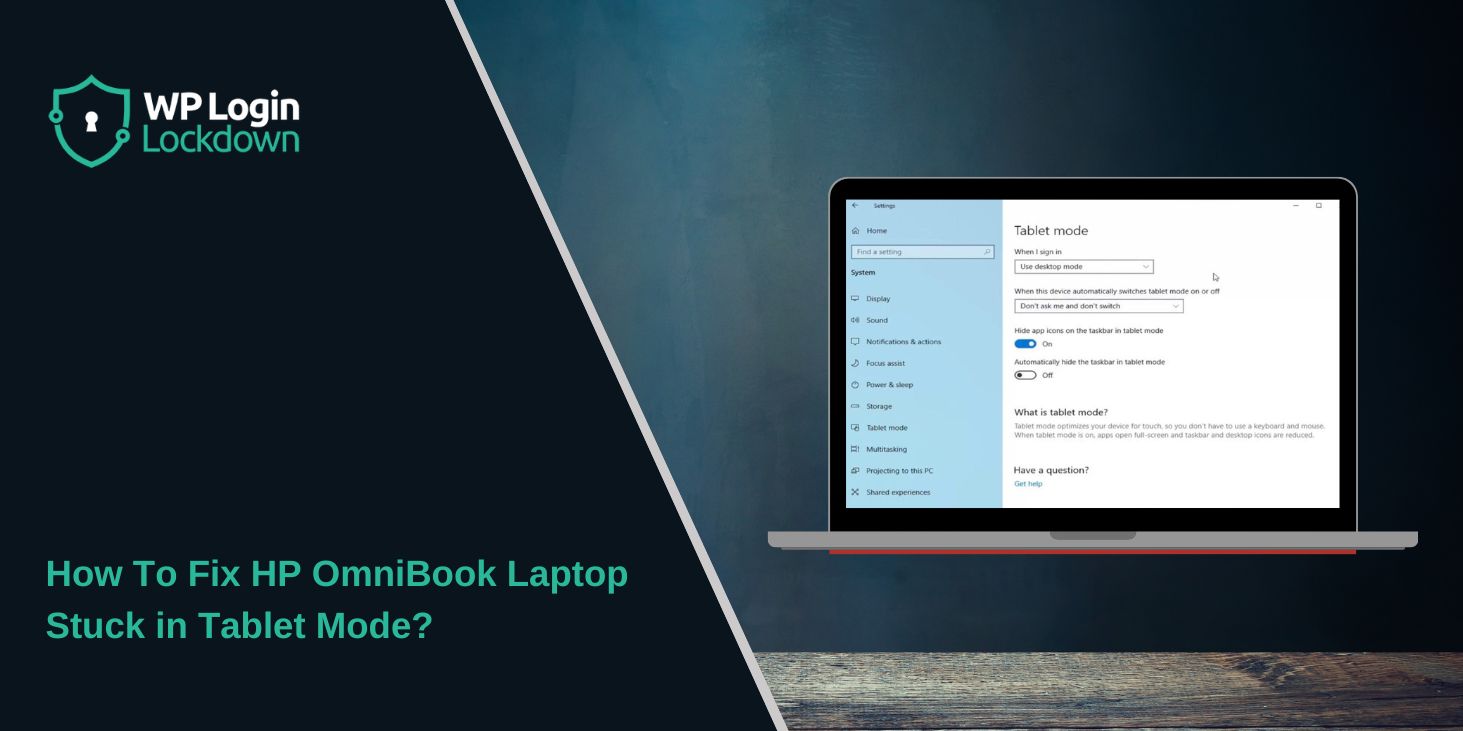
It feels frustrating when your HP OmniBook stays stuck in tablet mode. The keyboard will not type, the touchpad will not respond, and the screen keeps acting like a tablet even when the laptop is folded back to normal. When this happens, you just want the device to switch back so you can use it like a laptop again. This guide explains what the issue means, why it happens, how to fix it, and how to prevent it.
What Is “HP OmniBook Stuck in Tablet Mode”?
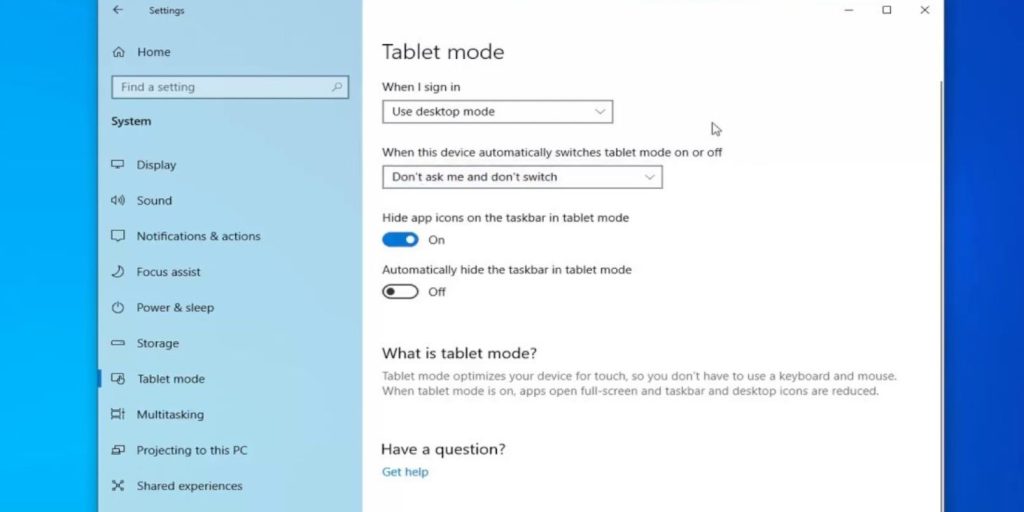 This problem appears when your HP OmniBook does not detect that it has been opened back into laptop mode. The hinge sensor, accelerometer, or Windows settings may fail to switch the device out of tablet mode, so Windows keeps the touch layout active.
You will notice this when the keyboard stays disabled, the touchpad does nothing, buttons look larger on the screen, and the Windows interface remains in tablet mode. Sometimes the device feels frozen in the wrong mode, even though the hinge is open.
Common Causes of the Laptop Being Stuck in Tablet Mode
This issue can happen for different reasons depending on your HP OmniBook model, your Windows settings, or your sensor drivers. Below are the most common causes you should know.
- Auto rotation and tablet mode settings turned on
- Hinge sensor stuck or slow to respond
- Corrupted HID sensor drivers
- Accelerometer or touchscreen sensor freezing
- Windows update changing rotation lock settings
- HP firmware or BIOS needing an update
- Temporary system glitch or background service failure
How To Fix HP OmniBook Laptop Stuck in Tablet Mode?
Fixes depend on your sensors, drivers, and Windows layout settings. However, the steps below usually solve the problem for most people.
Fix #1: Toggle Tablet Mode Off and On
This issue often appears when Windows gets stuck. Turning tablet mode off and then on again resets the layout. Once you toggle it, the system often switches back to laptop mode.
Fix #2: Check Rotation Lock in Windows
This problem can happen when rotation lock is stuck. Rotation lock stops the device from switching modes. When you fix the lock setting, the OmniBook reads the sensor again and returns to laptop mode.
Follow the steps below to easily check rotation lock:
- Open Action Center
- Look for Rotation Lock
- Turn it off
- Move the hinge a bit
- See if the keyboard activates
Fix #3: Restart Your HP OmniBook
A simple restart clears a frozen sensor or a stuck Windows layout. When the laptop boots back up, the hinge sensor reloads. After the restart, the device often switches modes correctly.
Fix #4: Refresh HID Sensor Drivers
This issue can happen when HID sensor drivers break. When the driver fails, Windows cannot read hinge or rotation data. Refreshing the drivers restores the connection. Once reloaded, the OmniBook switches out of tablet mode.
Here are the following steps which help you refresh your drivers:
- Open Device Manager
- Expand Human Interface Devices
- Right click each sensor driver
- Select Disable
- Enable it again
- Restart your laptop
Fix #5: Enable Keyboard and Touchpad Drivers
Sometimes Windows disables these drivers while in tablet mode. When they stay off, the device feels stuck. Enabling them brings the laptop mode back.
The following steps will show you how to enable them properly:
- Open Device Manager
- Expand Keyboards and Mice
- Right click your keyboard or touchpad
- Select Enable
- Restart your laptop
Fix #6: Turn Off Auto Rotation
Auto rotation uses sensors that can freeze. When rotation is stuck, the device stays in tablet mode. Turning it off lets Windows focus on laptop mode again.
Try these simple steps to quickly turn off rotation:
- Open Settings
- Go to System
- Tap Display
- Turn off Rotation
- Reopen the laptop hinge
Fix #7: Update Windows
Windows updates fix bugs that affect tablet mode and rotation. When you update, the sensors refresh and work better. After the update, the HP OmniBook usually switches modes correctly.
Below are the steps that will guide you to update Windows:
- Open Settings
- Go to Update and Security
- Tap Check for updates
- Install the updates
- Restart your laptop
Fix #8: Update HP Drivers Using HP Support Assistant
HP releases driver patches that fix hinge detection and sensor issues. When you update through HP Support Assistant, the latest drivers handle rotation better. Once updated, your laptop mode usually works again.
Follow these easy instructions to install updates without confusion:
- Open HP Support Assistant
- Check for available updates
- Install all sensor and firmware updates
- Restart your laptop
Fix #9: Restart the Sensor Service
Windows uses the Sensor Monitoring Service to detect device mode. If this service freezes, the device stays stuck. Restarting it resets the sensor. After restarting, the system often switches to laptop mode.
Perform the following steps carefully to restart the service:
- Press Windows + R
- Type services.msc
- Find Sensor Monitoring Service
- Right click and choose Restart
- Test the hinge again
Fix #10: Update BIOS or System Firmware
When the BIOS is outdated, hinge signals may not reach Windows correctly. Updating BIOS fixes hardware communication. Once updated, the OmniBook reads the hinge and moves out of tablet mode.
Prevention Tips To Avoid This Problem
A few simple habits help your HP OmniBook switch modes smoothly.
- Keep HP drivers updated
- Restart your laptop often
- Avoid flipping the hinge too fast
- Update Windows regularly
- Do not install unsafe third party rotation tools
- Keep sensor drivers clean
- Use HP Support Assistant for automatic checks
Conclusion
In short, your HP OmniBook gets stuck in tablet mode when Windows cannot read the hinge or sensor signals. It also happens when rotation settings freeze or drivers break. These problems look big, but most fixes are simple.
Try the steps in this guide and your laptop should switch back to normal mode. If the problem keeps coming back, contact HP support for deeper help.