


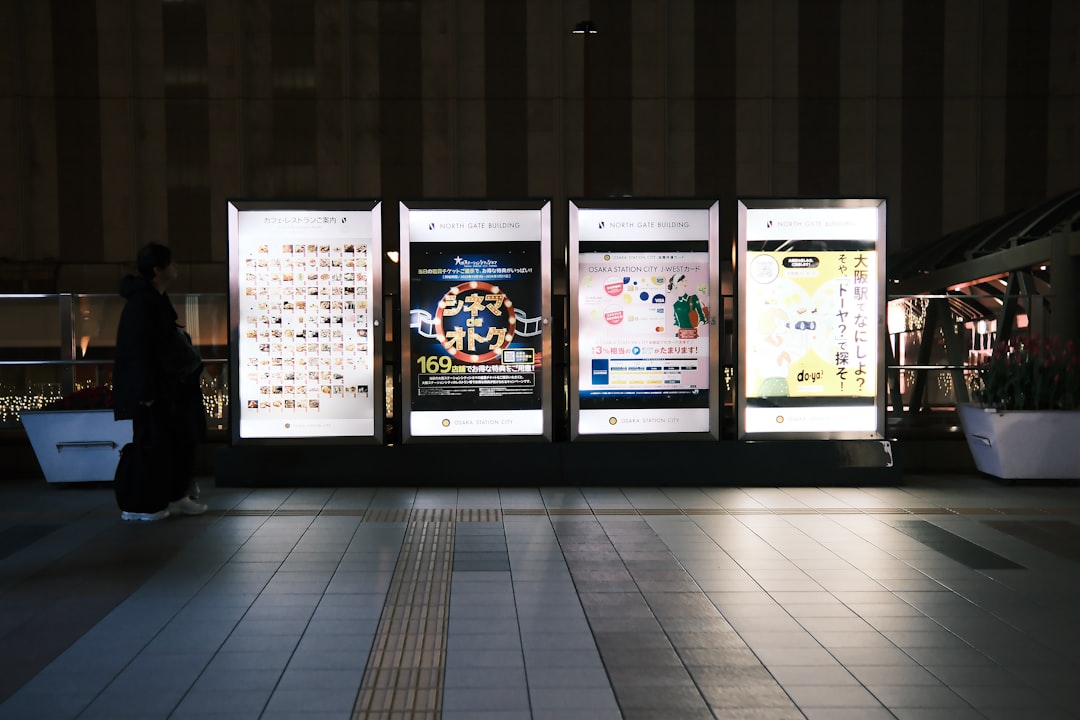
In a hyper-connected world dominated by information overload, businesses are always looking for effective tools to capture attention and communicate clearly. Whether it’s reaching their customers through marketing channels or keeping employees aligned with corporate goals, clarity and engagement are core needs. Digital signage solutions have emerged as one of the most dynamic technologies serving both external and internal communication objectives across various industries.
TLDR:
Digital signage boosts business engagement by offering dynamic content delivery that captures attention and enhances customer experience. It also upgrades internal communication by streamlining real-time updates and improving employee awareness. Highly customizable and scalable, these systems bridge the communication gap and adapt to current business needs. Improved decision-making, stronger branding, and faster information flow are just a few of the advantages.
What is Digital Signage?
Digital signage refers to the use of digital displays—such as LCD screens, LED walls, or projection systems—for sharing multimedia content in a visually compelling way. These screens can display anything from promotional videos and announcements to KPIs and social feeds.
The technology allows content to be changed remotely in real time, making it incredibly adaptive and versatile. It’s no surprise that retail stores, corporate offices, restaurants, hospitals, and educational institutions are increasingly adopting these solutions.
How Digital Signage Enhances Business Engagement
In a competitive business landscape, gaining and retaining consumer attention is essential. Digital signage solutions provide a modern touchpoint that speaks directly to customers, using eye-catching visuals and relevant information to improve engagement.
- Real-Time Promotions and Updates: Businesses can instantly display the latest offers, product launches, or trending items. This immediacy increases purchase intent and supports time-sensitive campaigns.
- Interactive Experiences: Touch-enabled screens can allow users to interact with content, browse product catalogs, or even leave feedback, creating memorable experiences.
- Brand Consistency: A digital signage network ensures uniform messaging and branding across multiple locations, essential for franchise or chain models.
- Data-Driven Content: With integration to CRM and analytics platforms, content can be tailored based on audience demographics, time of day, and local events, maximizing relevance and impact.

A great example is the retail sector, where digital displays near point-of-sale areas show product demos, limited-time offers, or customer testimonials. All of this not only boosts conversion rates but also reinforces the brand’s image in the customer’s mind.
Improving Internal Communication with Digital Signage
Effective internal communication has always been a prerequisite for high-performing teams. With hybrid workplaces becoming the norm and employee attention spans under strain, traditional emails and bulletin boards fall short. Digital signage fills this gap exceptionally well.
- Live Dashboards and KPIs: Departments can view performance metrics in real time. This transparency drives accountability and motivates employees by clearly showing how their efforts contribute to organizational goals.
- Company Announcements: Whether it’s policy changes, upcoming events, or leadership messages, digital signage ensures important information is seen without delay.
- Employee Recognition: Highlighting employee achievements or birthdays fosters a positive work culture and a sense of belonging.
- Emergency Alerts and Safety Information: Critical updates can be deployed instantly across all screens, enhancing workplace safety and compliance with regulations.
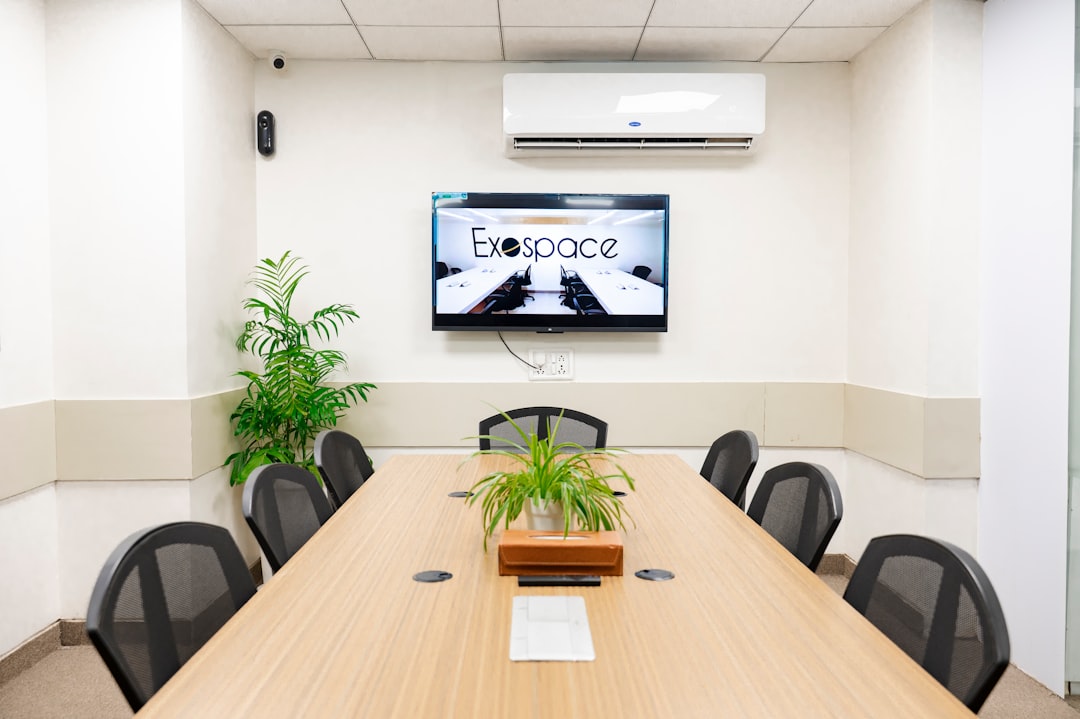
An HR department, for instance, could use internal displays in break rooms and meeting areas to share staff updates, mental health resources, and professional development opportunities. These purposeful communications contribute to better morale and stronger alignment with corporate values.
Integration with Other Business Systems
One of the underrated strengths of digital signage is its ability to integrate seamlessly with other business technologies. Systems like CRM, ERP, HRMS, and IoT platforms can feed data directly into the signage content management system, ensuring that the displayed content is always current and data-driven.
For example, a logistics company might show live shipping data in their control rooms. Retailers might display inventory alerts in real time. Marketing teams can automate regional content campaigns using demographic and purchase data pulled from their CRM.
Scalability and Customization
Modern digital signage platforms are highly scalable, allowing businesses to start with a few displays and upgrade to hundreds across multiple locations. They can also customize content based on:
- Geographical location (localized promotions or updates)
- Time-based scheduling (morning newsfeed vs. afternoon notices)
- Audience types (different content for clients vs. staff)
This flexibility translates into better targeting and less wasted screen real estate—ultimately driving higher engagement rates and operational efficiency.
Cost Efficiency and ROI
Although there is an initial investment in infrastructure, digital signage solutions often yield a strong return on investment thanks to their durability and minimal need for manual updates. Many companies reduce costs related to print materials, meetings, and repeated announcements.
Additionally, with cloud-based content management systems, businesses can remotely schedule and edit displays without being on location, reducing labor and operational costs.
Analytics and Performance Tracking
Unlike traditional signage, digital solutions provide measurable performance metrics. Managers can analyze:
- How often content is viewed
- Which content types drive the most interaction
- Engagement duration and display impact across locations
These insights allow for continuous improvement in content strategy and delivery, enabling businesses to stay relevant and effective over time.
Industry Applications
Here’s how digital signage is transforming specific sectors:
- Healthcare: Used in waiting rooms and lobbies to communicate health tips, appointment schedules, or emergency procedures.
- Corporate: Helps reinforce company culture, communicate KPIs, and celebrate team achievements.
- Retail: Promotes upsells and educates customers while reducing perceived wait times at checkout.
- Education: Keeps students and faculty informed about classes, deadlines, and campus alerts.
Security and Content Control
Security is another critical feature of enterprise-grade digital signage systems. Admin rights can be configured hierarchically, allowing trusted individuals control over content layers while minimizing risk.
In sensitive environments like government facilities or banks, content can be protected via encrypted data transfer protocols, firewall integration, and offline fallback systems to maintain screen uptime even during network issues.
Conclusion
Digital signage solutions are not just eye-catching displays—they are strategic business tools that enhance engagement, streamline communication, and support data-driven decision-making. By enriching customer journeys and empowering employees with timely and relevant information, they lay the groundwork for better business performance across the board.
Whether you’re a growing enterprise or an established corporation, investing in modern digital signage can significantly improve both your internal communication efficiency and your market-facing engagement effectiveness. The return isn’t just financial—it’s cultural, operational, and reputational.