


When your team relies on Asana to manage deadlines, assign tasks, and track progress, even a few minutes of downtime can feel disruptive. If you’re staring at a loading screen or error message and wondering, “Is Asana down right now?”, you’re not alone. Cloud-based tools occasionally experience outages, slowdowns, or regional disruptions—and knowing how to check the status quickly can save time and reduce frustration.
TL;DR: If Asana isn’t loading or behaving normally, first check the official Asana Status Page and recent social media updates. You can also use third-party outage trackers to confirm whether others are experiencing similar issues. Most disruptions are resolved quickly, but having a backup communication or task plan can keep your team moving. When in doubt, verify your internet connection and browser before assuming it’s a platform-wide outage.
Why Asana Might Appear to Be Down
Before assuming a global outage, it’s important to understand the different reasons Asana might not be working properly. Not every issue means the entire service is offline.
- Server-side outages: These occur when Asana’s infrastructure experiences failures or scheduled maintenance.
- Regional disruptions: Sometimes only certain geographic locations are affected.
- Browser-related problems: Cached data, extensions, or outdated browsers can prevent proper loading.
- Internet connectivity issues: A weak or unstable connection can mimic downtime.
- Account-specific errors: Permission changes or workspace issues may limit access.
Identifying which category your issue falls into helps you respond appropriately and avoid unnecessary panic.
How to Check If Asana Is Down Right Now
If you suspect an outage, follow these steps to confirm the status quickly and accurately.
1. Visit the Official Asana Status Page
The most reliable source of information is Asana’s official status page. It typically displays:
- Current operational status (Operational, Degraded Performance, Partial Outage, Major Outage)
- Real-time updates from Asana’s engineering team
- Incident history
- Expected resolution timelines
If there is a widespread issue, you’ll usually see a banner or alert explaining what’s happening.
2. Check Third-Party Outage Trackers
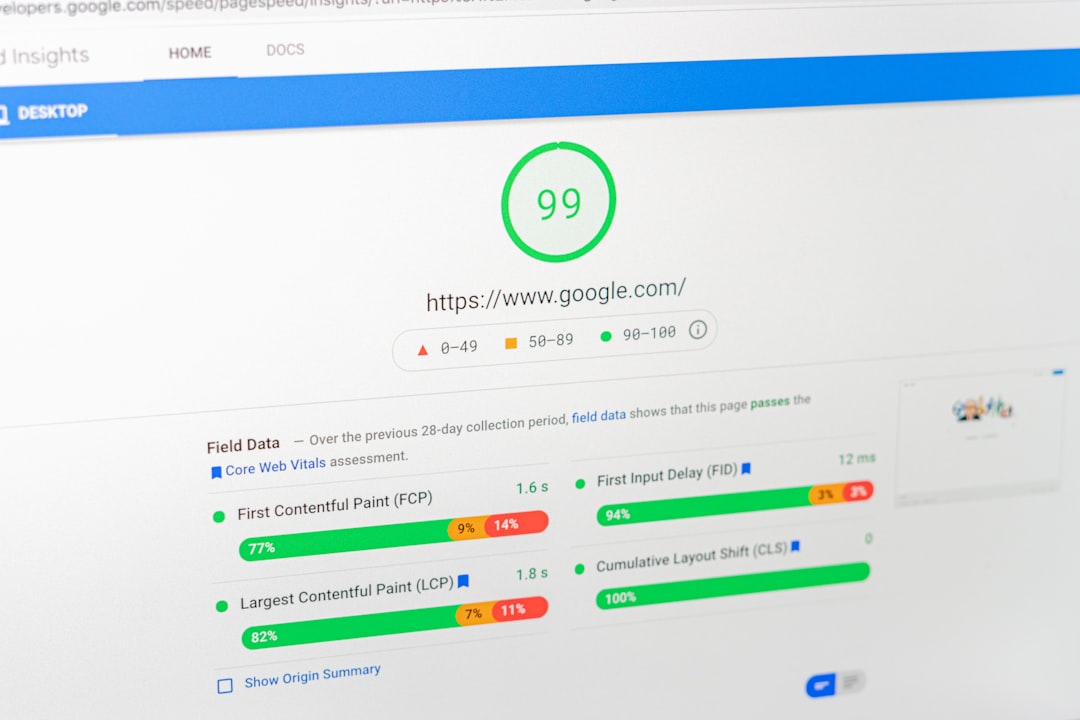
Websites like DownDetector and similar monitoring services aggregate user reports to identify possible service interruptions. These platforms can help determine:
- Whether other users are reporting problems
- The severity of the issue
- Geographic concentration of disruptions
If there’s a sudden spike in reported problems, it likely indicates a broader issue.
3. Look at Social Media Updates
Users often take to platforms like X (formerly Twitter), LinkedIn, or Reddit to report issues instantly. Searching phrases like “Asana down” or “Asana not working” can reveal real-time feedback.
Additionally, Asana’s official accounts may post updates during significant outages.
4. Test Other Websites and Apps
Quickly verify whether the issue is isolated to Asana:
- Open another cloud-based platform.
- Run a speed test.
- Access Asana from a different device.
If everything else works normally, the problem may be specific to Asana or your Asana session.
Common Signs of an Asana Outage
When Asana experiences disruptions, users typically encounter one or more of the following:
- Tasks fail to load.
- Projects appear blank or partially rendered.
- Attachments won’t download or upload.
- Error messages such as “Something went wrong” or “Unable to connect.”
- Extremely slow performance across dashboards.

These symptoms often indicate server-side problems rather than individual user mistakes.
What to Do If Asana Is Down
If you’ve confirmed a legitimate outage, don’t worry—there are productive steps you can take while waiting for service to resume.
1. Communicate With Your Team
Use alternative communication tools such as Slack, Microsoft Teams, or email to inform teammates about the issue. Transparency prevents confusion.
2. Shift to Temporary Task Tracking
You can temporarily track assignments using:
- Shared Google Docs
- Spreadsheets
- Whiteboard sessions
- Simple email threads
While not as structured as Asana, these stopgap solutions keep projects moving.
3. Review Offline Notes
If you maintain exported task lists, printed sprint boards, or saved meeting notes, you can continue executing work without full platform access.
4. Avoid Repeated Refreshing
Constant refreshing during an outage won’t speed recovery. In fact, it may worsen temporary load stress. Instead, wait for official updates.
How Long Do Asana Outages Usually Last?
The duration varies depending on the issue’s severity. Minor disruptions may be resolved within minutes, while major incidents can last several hours. Fortunately, large-scale outages are relatively rare.
Cloud platforms like Asana invest heavily in uptime reliability, redundancy systems, and rapid-response engineering teams to minimize downtime.
Preventive Steps to Minimize Future Disruptions
Although you can’t control Asana’s servers, you can reduce your vulnerability to outages.
Maintain Backup Systems
Create a lightweight backup workflow, including:
- Weekly task exports
- Offline sprint summaries
- Team contact sheets
Enable Notifications
Subscribe to Asana status updates or RSS feeds (if available) to receive incident notifications directly.
Regularly Clear Browser Cache
Cached data can cause loading conflicts. Clearing it periodically ensures smoother performance.
Keep Your Browser Updated
Older browser versions sometimes create compatibility problems.
Comparison: Ways to Check Asana’s Status
If you’re unsure which verification method to rely on, here’s a simple comparison chart to guide you:
| Method | Reliability | Speed | Best For |
|---|---|---|---|
| Official Status Page | Very High | Fast | Confirming verified incidents |
| Third Party Trackers | High | Very Fast | Seeing real time user reports |
| Social Media Search | Moderate | Instant | Community reaction and scope insights |
| Testing Other Sites | Moderate | Fast | Checking local connectivity issues |
When It’s Not Actually an Outage
Sometimes the issue lies closer to home. Here are scenarios where Asana may appear down, but isn’t:
- Account suspension: Billing issues can restrict access.
- Permission changes: You may no longer have access to specific projects.
- Workspace migration: Organizational updates can temporarily impact availability.
- VPN conflicts: Certain VPN settings may interfere with cloud-based services.

Checking with your organization’s admin can quickly clarify whether access modifications are the cause.
The Importance of Business Continuity Planning
For companies that rely heavily on Asana, even brief downtime highlights the need for a broader business continuity strategy. This doesn’t mean abandoning your primary tool—it means preparing for contingencies.
Key elements of a strong continuity plan include:
- Clearly defined backup communication channels
- Offline documentation of active projects
- Cross training team members on processes
- Regularly scheduled exports of critical data
The goal is resilience, not redundancy overload.
Final Thoughts
So, is Asana down right now? The answer depends on the moment you’re asking. Fortunately, confirming the status takes just a few minutes using official channels and third-party monitors. Most outages are short-lived and resolved quickly by Asana’s technical team.
While downtime can be frustrating, it also serves as a reminder to build flexible workflows and backup plans. By knowing how to check Asana’s status, identifying true outages versus local problems, and having temporary systems ready, you can keep your projects on track—no matter what happens.
In today’s fast-paced digital workplace, preparedness is just as important as productivity. And the next time Asana seems slow or unresponsive, you’ll know exactly what steps to take.
