



Your home can be more than walls and wires. It can think. It can learn. It can save you money and time. Modern smart electrical upgrades turn an ordinary house into a connected, efficient, and safer space.
TLDR: Smart electrical upgrades make your home safer, more efficient, and easier to control. Start with simple changes like smart switches and thermostats. Then move to bigger upgrades like smart panels and solar integration. Small steps today can lead to huge savings tomorrow.
Let’s break it down in a fun and simple way.
Why Go Smart?
Technology is everywhere. Your home should not be left behind. Smart electrical systems give you:
- More control over lights, temperature, and appliances
- Lower energy bills through automation
- Better safety with monitoring and alerts
- More comfort with custom settings
- Higher home value if you decide to sell
And here is the best part. Many upgrades are simple. You can start small and grow over time.
1. Smart Lighting Systems
Lighting is the easiest place to begin. It makes a huge difference. And it feels a bit magical.
Smart lighting lets you:
- Turn lights on and off from your phone
- Dim lights without touching a switch
- Change colors for mood lighting
- Schedule lights automatically
- Control everything with your voice
Imagine this. You are in bed. You forgot to turn off the kitchen lights. No problem. Just grab your phone.
Or picture this. You are on vacation. Your lights turn on randomly at night. It looks like someone is home. That adds security.
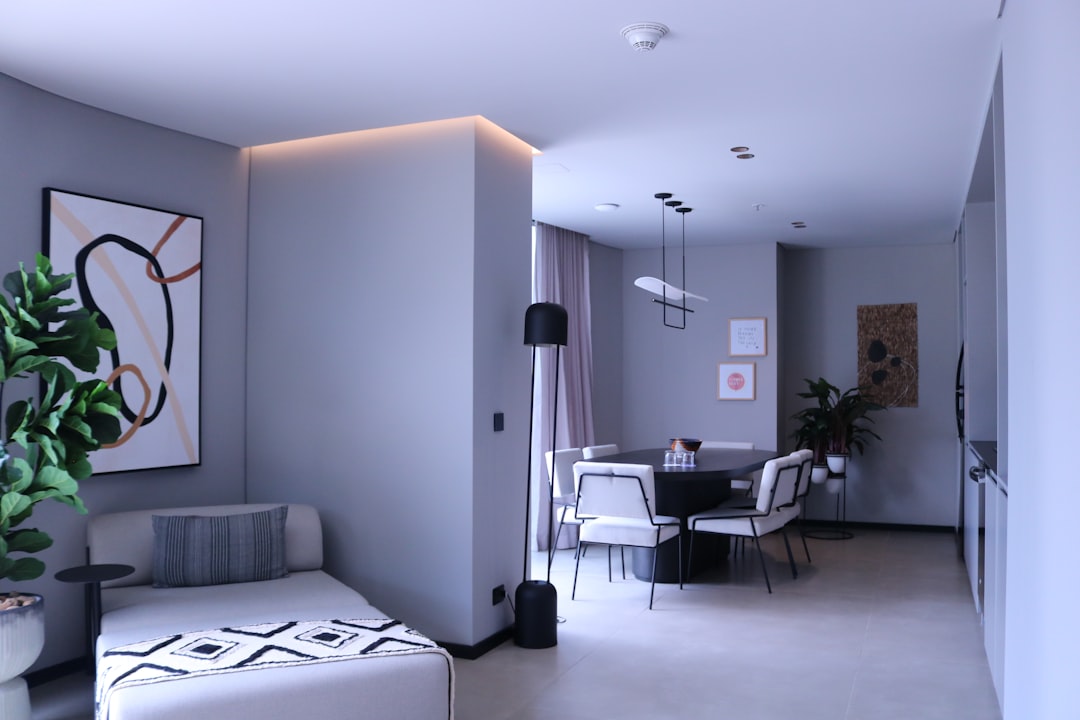
You can choose between:
- Smart bulbs – Easy to install. Replace your regular bulb.
- Smart switches – Control entire fixtures. Great for long term use.
- Motion sensors – Lights turn on when you enter a room.
Start with one room. See how it feels. Then expand.
2. Smart Thermostats
Heating and cooling take a big chunk of your energy bill. Sometimes up to half.
A smart thermostat learns your habits. It knows when you leave. It knows when you sleep. It adjusts automatically.
This means:
- Lower power usage
- Consistent comfort
- Remote temperature control
- Energy reports and insights
You can wake up to a warm home in winter. Or come back to a cool house in summer. No wasted energy.
Some models even use weather data. If it is sunny, your system works less. If a cold front comes in, it prepares early.
That is smart living.
3. Smart Electrical Panels
This is where things get powerful.
A traditional electrical panel just distributes power. A smart panel does more. It monitors. It tracks. It gives feedback.
You can see:
- Which appliances use the most electricity
- Real time energy consumption
- Warnings for electrical issues
- System performance data
Some panels allow remote control of circuits. For example, you can turn off a specific appliance from your phone.

This upgrade is especially useful if you:
- Work from home
- Have electric vehicles
- Plan to install solar panels
- Live in an area with power outages
It makes your home future ready.
4. Smart Outlets and Plugs
Not ready for a full renovation? No problem.
Smart plugs are small. But mighty.
You plug them into an outlet. Then plug your device into them. Now you can control that device remotely.
Great for:
- Coffee makers
- Fans
- Heaters
- TVs
- Holiday lights
You can also track how much electricity that device uses. It helps you spot energy hogs.
Simple. Affordable. Effective.
5. Whole Home Surge Protection
Power surges happen fast. A lightning strike. A grid issue. Even large appliances turning on.
One surge can damage:
- Computers
- Televisions
- Kitchen appliances
- Smart home systems
Whole home surge protection sits at your main panel. It defends everything at once.
This is not flashy. But it is smart.
Think of it as insurance for your electronics.
6. EV Charger Installation
Electric vehicles are growing fast. Maybe you already have one. Maybe you are thinking about it.
Charging with a standard outlet is slow. Very slow.
A dedicated Level 2 charger is much faster. It usually requires a panel upgrade. But it is worth it.
- Quicker charging times
- Safer electrical load handling
- Better resale value
- Future ready wiring
Some smart chargers also track energy use. You can schedule charging during off peak hours. That saves money.
7. Solar Power Integration
Want to go big? Add solar.
Modern solar systems connect directly with smart panels and apps. You can monitor:
- Energy production
- Energy storage
- Grid usage
- Battery levels
Pair solar with battery storage. During outages, essential appliances stay on. Your fridge keeps running. Your lights stay bright.
You use more of your own energy. You depend less on the grid.
It feels independent. And responsible.
8. Smart Security and Electrical Integration
Security systems today connect with your electrical infrastructure.
This includes:
- Video doorbells
- Smart locks
- Security lighting
- Motion detectors
- Indoor and outdoor cameras
When someone approaches your house, lights can turn on automatically. Cameras can begin recording. You get instant alerts.
All from your phone.
Integration is key. Your lighting, panel, and security systems should talk to each other.
9. Backup Generators
Storms happen. Grids fail.
A standby generator connects directly to your electrical system. It turns on automatically during outages.
No extension cords. No scrambling in the dark.
Smart versions notify you when:
- Maintenance is needed
- Fuel levels are low
- A test cycle runs
Peace of mind is priceless.
10. Home Energy Management Systems
This is the brain of the operation.
A home energy management system connects:
- Smart panel
- Solar
- Battery storage
- EV charger
- Major appliances
It balances energy use. It reduces peak demand. It helps avoid high electricity rates.
You get dashboards. Data. Reports.
And yes. It looks cool.
How to Get Started
You do not need to upgrade everything at once.
Follow this simple path:
- Start small. Try smart bulbs or plugs.
- Upgrade comfort. Add a smart thermostat.
- Improve safety. Install surge protection.
- Plan ahead. Assess your panel capacity.
- Think long term. Consider solar and EV support.
Always consult a licensed electrician for bigger upgrades. Safety matters.
Cost vs. Value
Some upgrades are affordable. Others are an investment.
But consider the long term benefits:
- Reduced utility bills
- Fewer repairs
- Increased home value
- Insurance discounts in some cases
- More buyer appeal if you sell
Smart homes often stand out in the market.
Buyers love efficiency. They love control. They love modern features.
Common Mistakes to Avoid
Do not rush in without a plan.
Avoid these mistakes:
- Overloading old electrical panels
- Mixing incompatible systems
- Skipping surge protection
- Ignoring WiFi strength
- DIY work beyond your skill level
Integration works best when planned carefully.
The Future of Smart Homes
The future is exciting.
Homes will automatically shift energy use based on grid demand. Appliances will talk to each other. Artificial intelligence will optimize everything.
Your house will not just react. It will predict.
And the best part? You can start building that future today.
Final Thoughts
Modernizing your house with smart electrical upgrades is not just about gadgets. It is about lifestyle. It is about safety. It is about savings.
Small changes lead to big improvements.
Start with lighting. Add a thermostat. Protect your system. Plan for solar or EV charging if it fits your goals.
Your home should work for you. Not the other way around.
Make it smart. Make it efficient. Make it future ready.
