


Over the past decade, the smartphone industry has undergone numerous transformations, from the move to edge-to-edge displays to the integration of AI and 5G technologies. Yet, 2026 is shaping up to be a landmark year for one particular innovation: the mass adoption of foldable smartphones. What once seemed like a futuristic novelty is now fast becoming a mainstream favorite for tech enthusiasts and average consumers alike.
TL;DR: Foldable smartphones have gone from niche to necessary in 2026. Driven by technological advancements, consumer demand for versatility, and wider manufacturer participation, foldable phones now offer improved durability, performance, and affordability. Leading brands have redefined the mobile experience, and even mid-range devices are receiving foldable treatments. While some challenges persist, the future of smartphones looks foldable—literally and figuratively.
The Evolution of Foldables: From Gimmick to Game-Changer
When foldable smartphones first hit the market around 2019, they were met with both excitement and skepticism. Early models suffered from fragile screens, hinge-related issues, and exorbitant price tags. However, fast-forward to 2026, and a different reality has set in. Modern foldables are durable, sleek, and competitively priced. They are changing the way people interact with their devices—offering a hybrid between a smartphone and a tablet.
Much of this evolution can be credited to massive investments in flexible display technology, advances in ultra-thin glass materials, and more refined hinge mechanisms. These innovations have enabled manufacturers to provide a seamless transition between device modes and ensure device longevity.
Why Foldables Are Booming in 2026
There are several key reasons behind the rise of foldable smartphones in 2026:
- Advanced Technology: Materials like ultra-thin glass and polymer coatings now withstand over 500,000 folds, eliminating early concerns over durability.
- Affordability: As with most innovations, initial high prices have dropped significantly. Entry-level foldables can now be found under $700, bringing them within reach of a broader audience.
- Enhanced Productivity: Multitasking is easier with larger, foldable screens. From watching videos to editing documents, users can do more without switching devices.
- Cool Factor: Let’s not forget aesthetics—foldables simply look futuristic and novel. For many consumers, that’s reason enough to make the switch.
All major tech brands—Samsung, Huawei, Oppo, Google, and even Apple—have released multiple generations of foldables, each improving incrementally in terms of usability and performance.
Types of Foldables: Choices for Every User
One major contributor to the rise of foldables is the diversity in design choices. Manufacturers have pivoted away from one-size-fits-all devices and now deliver various form factors tailored to different needs:
- Book-style Foldables: These resemble a traditional book and unfold into a small tablet. Ideal for productivity, these are preferred by professionals and creatives.
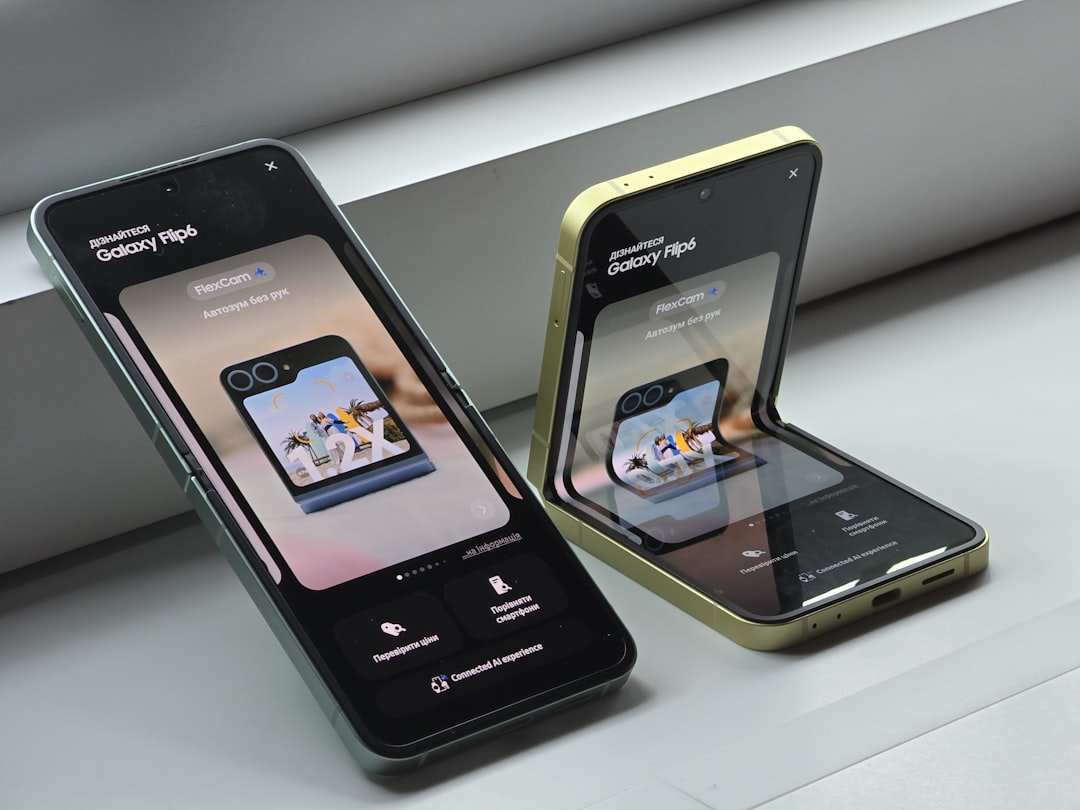
- Clamshell Foldables: Compact and designed for style, these fold vertically, much like classic flip phones, offering portability with the charm of nostalgia.
- Rollable Phones: Although still emerging, rollable phones use motorized screens to expand and retract, providing even more fluid screen transformations.
This variety has helped foldables appeal to different segments, from office workers and students to content creators and gamers.
Apple’s Entry: A Catalyst for Mainstream Adoption
Apple finally entered the foldable phone market in late 2025 with the “iFold,” a book-style iPhone boasting a 7.8-inch RetinaFlex display and new UX optimized for dual-pane multitasking. While Apple was late to the foldable game, its entry helped solidify the design’s credibility and accelerate market interest among mainstream users. Prior to this, foldables were largely the domain of Android loyalists.
The iFold also integrated Apple’s latest silicon chip and AI-powered camera stack, demonstrating that performance need not be sacrificed for design innovation. Combined with Apple’s seamless ecosystem, users quickly found foldables to be more than just novelty—they became essential tools.
Software and App Optimization Makes a Difference
One of the major challenges in earlier foldables was software optimization. Apps often didn’t scale correctly to changing dimensions, and multitasking felt clunky or limited. By 2026, most major app developers—Microsoft, Adobe, Netflix, and more—have optimized their applications for foldable screens, supporting drag-and-drop functionalities, dual-pane modes, and custom toolbars that adapt to screen geometry.
For instance:
- Office suites now allow for side-by-side document editing.
- Video apps use the extra space for simultaneous playback and controls.
- Social media apps provide split-view for messages and feeds simultaneously.
This renewed focus on software ensures users enjoy not just aesthetic satisfaction, but genuine productivity boosts from their foldable devices.
Challenges Still Persist
Though foldable smartphones are now more refined than ever, they’re not without challenges:
- Battery Life: Powering dual screens takes its toll. While improvements have been made, battery consumption can still be a point of concern.
- Hinge Durability: Though reliable for most daily use, the hinge remains a moving part susceptible to wear and debris over time.
- Bulkier Footprint: Foldables are still noticeably thicker and heavier than their slab-style counterparts when folded shut.
That said, ongoing research and user feedback continuously drive innovation in these areas. Experts predict that by the end of the decade, most of these pain points will be relics of the past.
The Business and Enterprise Angle
Foldables aren’t just personal accessories anymore—they’re increasingly being adopted in the enterprise space. Professionals, especially in sectors like finance and design, praise the portability and screen real estate. Dual-screen capability allows virtual meetings on one side and data visualization or note-taking on the other. In short, foldables have become indispensable productivity tools.
Some companies have begun issuing foldables as part of their standard work tech packages, recognizing their value in a hybrid work environment. Moreover, secure, business-focused foldables tailored to specific industries, such as healthcare and architecture, are in the pipeline.
What’s Next for Foldables?
As enthusiastic as the current market is for foldables, the innovation pipeline is far from dry. Future trends include:
- Tri-fold displays that allow a phone to unfold into a full tablet-sized device.
- Eco-friendly materials to reduce the environmental impact caused by mass production.
- Full integration with wearable devices like AR glasses and smartwatches.
- Cloud-native experiences where the foldable phone operates more as a smart terminal for connected cloud services.
Furthermore, AI is expected to play a bigger role in managing how foldable interfaces behave, learning user patterns and adjusting layouts and shortcuts automatically for maximum efficiency and minimum friction.
Conclusion
The rise of foldable smartphones in 2026 is not just a fad—it’s the next logical step in the evolution of mobile technology. Merging the utility of tablets with the portability of phones, foldables offer a compelling value proposition across personal, professional, and creative use cases. With technology refining rapidly and manufacturers doubling down on innovation, it’s increasingly clear: the future folds.