 logo
logo

Social loafing happens when people put in less effort because they are working in a group rather than alone. It is common in offices, classrooms, volunteer teams, sports clubs, and student projects because shared responsibility can make individual contributions feel less visible. While it may look like simple laziness, social loafing often grows out of unclear roles, weak accountability, low motivation, or the belief that others will “pick up the slack.”
TLDR: Social loafing is when someone contributes less in a group because they feel less personally responsible. It can appear in workplaces, schools, and group projects in subtle ways, from skipping meetings to doing only the easiest tasks. Recognizing these patterns early helps teams improve accountability, fairness, and productivity.
Why Social Loafing Matters
Social loafing can quietly damage group performance. One person’s low effort may not seem serious at first, but over time it can create resentment, missed deadlines, uneven workloads, and lower-quality results. It also affects morale: motivated people may feel punished for caring, while less engaged members learn they can contribute less without consequences.
The examples below show how social loafing appears in everyday situations. Some are obvious, while others are more subtle and may even be mistaken for poor communication or lack of confidence.

Social Loafing Examples in the Workplace
-
Letting coworkers carry the meeting discussion. An employee attends every meeting but rarely speaks, offers ideas, or asks questions. They rely on more vocal teammates to analyze problems and make decisions.
-
Doing only the easiest parts of a shared task. In a team report, one person volunteers for formatting or proofreading but avoids research, analysis, or client communication.
-
Delaying work because “someone else will do it.” When responsibilities overlap, a team member waits until others step in, assuming the task will be completed without their effort.
-
Contributing less in large departments. In big teams, individuals may feel anonymous. Because their effort is harder to measure, they may reduce their pace or avoid extra responsibilities.
-
Taking credit for group success without equal input. A person may celebrate a successful campaign or project even though their contribution was minimal compared with the rest of the team.
-
Ignoring shared digital workspaces. A team member rarely updates project boards, leaves comments unanswered, or fails to mark tasks as complete, forcing others to track progress for them.
-
Hiding behind collective email threads. When a client or manager asks for information, one person assumes someone else on the copied email chain will respond.
-
Reducing effort during team-based incentives. If bonuses are awarded equally to the whole team, some employees may work less, knowing they will receive the same reward regardless of contribution.
-
Avoiding responsibility during cross-functional projects. When several departments collaborate, individuals may blame unclear ownership and avoid making decisions or completing assigned tasks.
Social Loafing Examples in School
Schools are especially prone to social loafing because students are often graded as a group. When teachers do not assess individual contributions, some students may become passive while more responsible classmates take control.
-
Skipping group study preparation. A student shows up to a study session without reading the assigned material, expecting classmates to explain everything.
-
Letting one student lead the entire presentation. In a class presentation, one highly organized student creates the slides, writes the script, and assigns speaking parts while others contribute very little.
-
Choosing the smallest speaking role. A student asks to read only the introduction or conclusion because it requires less preparation than explaining the main content.
-
Not participating in peer review. During a group writing activity, one student gives vague comments such as “looks good” instead of providing meaningful feedback.
-
Relying on smarter classmates. Some students contribute less when they believe others in the group are more capable and will produce a better result anyway.
-
Missing planning sessions but expecting a grade. A student is absent from important project meetings but still expects equal credit because their name is on the final submission.
-
Waiting until the last minute to contribute. One group member submits a small paragraph or a few facts shortly before the deadline, after most of the work has already been completed.
-
Letting others handle creative decisions. In an art, drama, or media project, a student avoids brainstorming, design, and editing, then participates only when the final product is nearly finished.

Social Loafing Examples in Group Projects
Group projects appear in both academic and professional settings, and they often bring out social loafing when roles are vague. The more complex the project, the easier it becomes for low-effort behavior to hide behind busy teammates.
-
Failing to complete assigned sections. A member agrees to handle a portion of the project but misses the deadline, forcing others to rush and finish it.
-
Attending meetings without contributing. Someone joins every call or planning session but stays silent, does not take notes, and leaves without action items.
-
Providing low-quality work that others must fix. A participant submits incomplete, careless, or poorly researched material, knowing teammates will polish it before submission.
-
Claiming confusion to avoid effort. A group member repeatedly says they do not understand the task but does not ask specific questions, read instructions, or seek clarification.
-
Disappearing during the hardest phase. Some people are active during brainstorming but become unavailable when it is time to execute, revise, test, or present.
-
Overusing “I’m busy” as a reason for no contribution. Everyone in a project may have obligations, but one person consistently uses busyness to avoid doing their portion.
-
Depending on group consensus to avoid decisions. A member refuses to express opinions, then later criticizes choices after others have done the decision-making work.
-
Doing performative work instead of useful work. Someone sends many messages, reacts to updates, or says “great job” often, but does not produce meaningful deliverables.
Common Causes of Social Loafing
-
Low visibility: People reduce effort when they believe no one can tell how much they contributed.
-
Unclear roles: If no one knows who owns which task, responsibility becomes easy to avoid.
-
Unequal motivation: Some members may care more about the outcome than others.
-
Large group size: The bigger the group, the easier it is for individual effort to disappear.
-
Lack of consequences: Social loafing grows when low effort receives the same reward as high effort.
How to Reduce Social Loafing
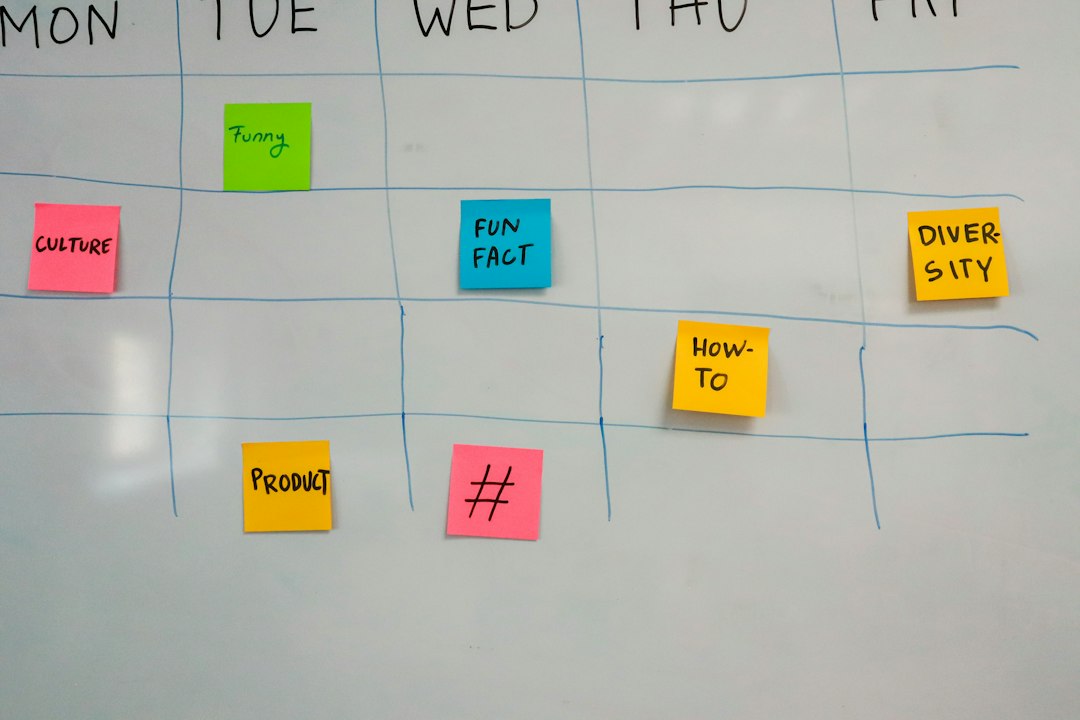
The best way to reduce social loafing is to make individual contributions visible and meaningful. Teams should assign clear roles, set specific deadlines, and track progress openly. Instead of saying, “Everyone work on the report,” a stronger plan is: “Maya will research competitors by Tuesday, Luis will draft the analysis by Thursday, and Priya will create the charts by Friday.”
Regular check-ins also help. Short updates reveal whether people are stuck, disengaged, or falling behind. In schools, peer evaluations can encourage fairness because students know their classmates will report unequal effort. In workplaces, managers can reduce loafing by recognizing individual contributions rather than only praising the group as a whole.
It is also useful to create a culture where asking for help is acceptable. Sometimes social loafing is not intentional; a person may feel overwhelmed, confused, or unsure how to contribute. Clear communication can separate genuine obstacles from avoidance.
Final Thoughts
Social loafing is not always loud or obvious. It often appears as silence, delay, minimal effort, or vague participation. Whether in the workplace, school, or a group project, the pattern is the same: when responsibility is shared but accountability is weak, some people contribute less. By recognizing these 25 examples and addressing them early, groups can build fairer workloads, stronger trust, and better results.