 logo
logo
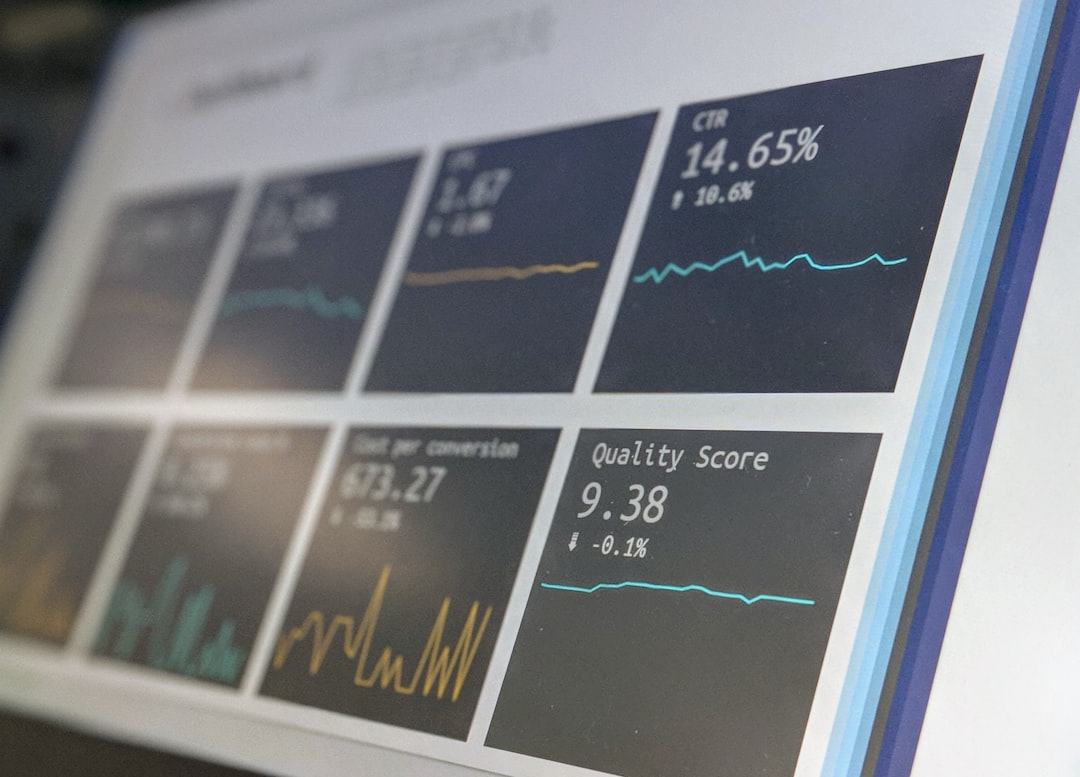
Cloud computing has transformed how organizations build, deploy, and scale applications. But as infrastructure becomes easier to provision, it also becomes easier to overspend. Many companies adopt multi-cloud or hybrid environments only to discover that without clear visibility and governance, cloud bills spiral out of control. That’s where specialized cloud cost optimization platforms step in—helping teams analyze usage, eliminate waste, and continuously right-size resources.
TLDR: Cloud cost optimization platforms help businesses monitor usage, identify waste, and control infrastructure spending across multi-cloud environments. While CloudHealth is a well-known option, platforms like Apptio Cloudability, Flexera One (Cloud Cost Optimization), and Spot by NetApp offer powerful alternatives. These tools provide deep analytics, automation, governance features, and financial reporting to maximize cloud ROI. Choosing the right one depends on your organization’s complexity, cloud mix, and need for automation versus visibility.
Below, we explore three robust alternatives to CloudHealth that can help you reduce infrastructure spending while maintaining performance and scalability.
1. Apptio Cloudability
Apptio Cloudability is a comprehensive cloud financial management (FinOps) platform designed to give organizations granular visibility into cloud spend. It is especially favored by enterprises managing multiple cloud providers such as AWS, Microsoft Azure, and Google Cloud.

Key Features
- Multi-cloud cost visibility: Centralized dashboards showing where money is spent across providers.
- Allocation and showback: Attribute costs to teams, departments, or business units.
- Rightsizing insights: Recommendations to reduce over-provisioned resources.
- Reserved instance management: Optimize savings plans and commitments.
- Budget forecasting: Predict future spend based on historical trends.
One of Cloudability’s greatest strengths is financial transparency. For organizations practicing FinOps, the platform empowers collaboration between engineering, finance, and leadership teams. Instead of treating cloud costs as a mysterious technical expense, it reframes them as a manageable operational investment.
Why it stands out: Cloudability combines technical metrics with financial clarity. Finance teams can understand exactly how infrastructure decisions impact budgets, which is critical for scaling businesses.
For enterprises struggling with unpredictable growth, Cloudability’s advanced reporting and allocation capabilities often lead to measurable reductions in idle resources and unused commitments.
Best For
Large enterprises and fast-growing companies that need detailed budget forecasting and departmental cost accountability.
2. Flexera One (Cloud Cost Optimization)
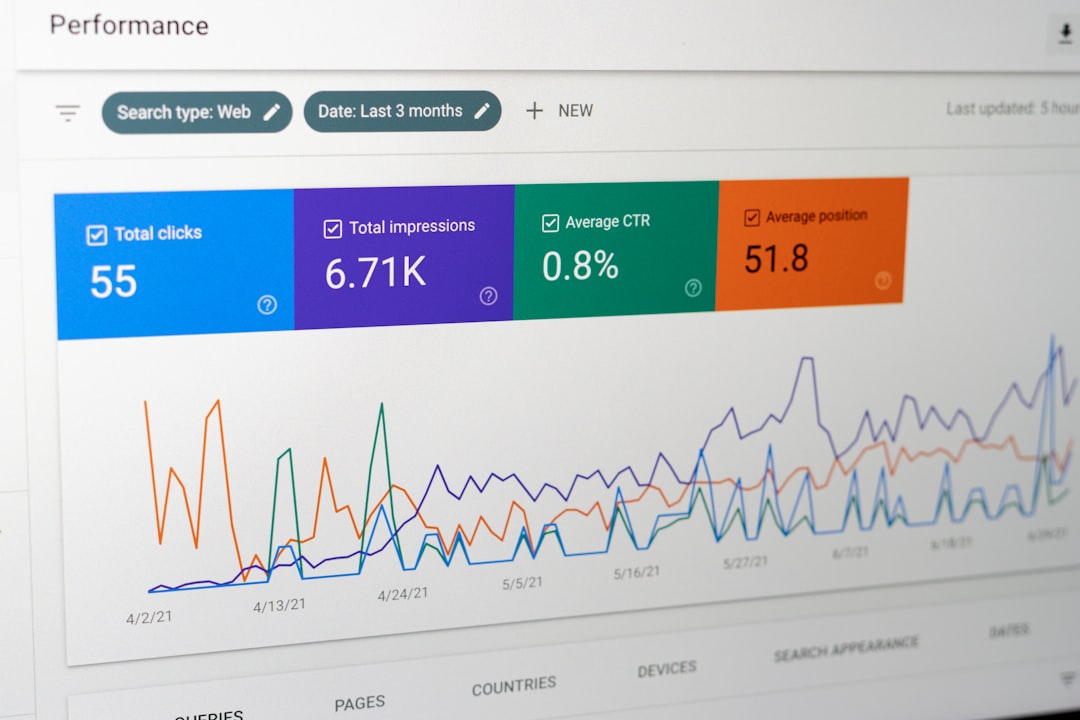
Flexera One provides comprehensive IT asset management, with cloud cost optimization as a core pillar of its offering. It focuses not just on reducing spend, but ensuring compliance, governance, and policy enforcement across complex environments.
Key Features
- Unified visibility: View on-premises and cloud assets in a single management interface.
- Policy automation: Enforce budget and resource policies automatically.
- Waste detection: Identify idle VMs, unattached storage volumes, and unused assets.
- Reserved capacity planning: Optimize commitments across AWS, Azure, and GCP.
- Compliance tracking: Monitor regulatory and organizational adherence.
Flexera is especially appealing to organizations operating in regulated industries where compliance and governance are non-negotiable. Cost savings are important, but so is ensuring infrastructure meets internal and external requirements.
What makes Flexera different from many optimization tools is its holistic approach. It doesn’t focus solely on cloud—it connects on-premises hardware, SaaS subscriptions, and cloud services into one consolidated view. This enables smarter decision-making across your entire IT ecosystem.
Why it stands out: Flexera goes beyond cost cutting. It integrates governance, risk management, and compliance with expenditure control. For businesses managing hybrid environments, this unified approach reduces operational blind spots.
Best For
Organizations with complex hybrid infrastructures or strict compliance requirements that need both cost and asset governance.
3. Spot by NetApp
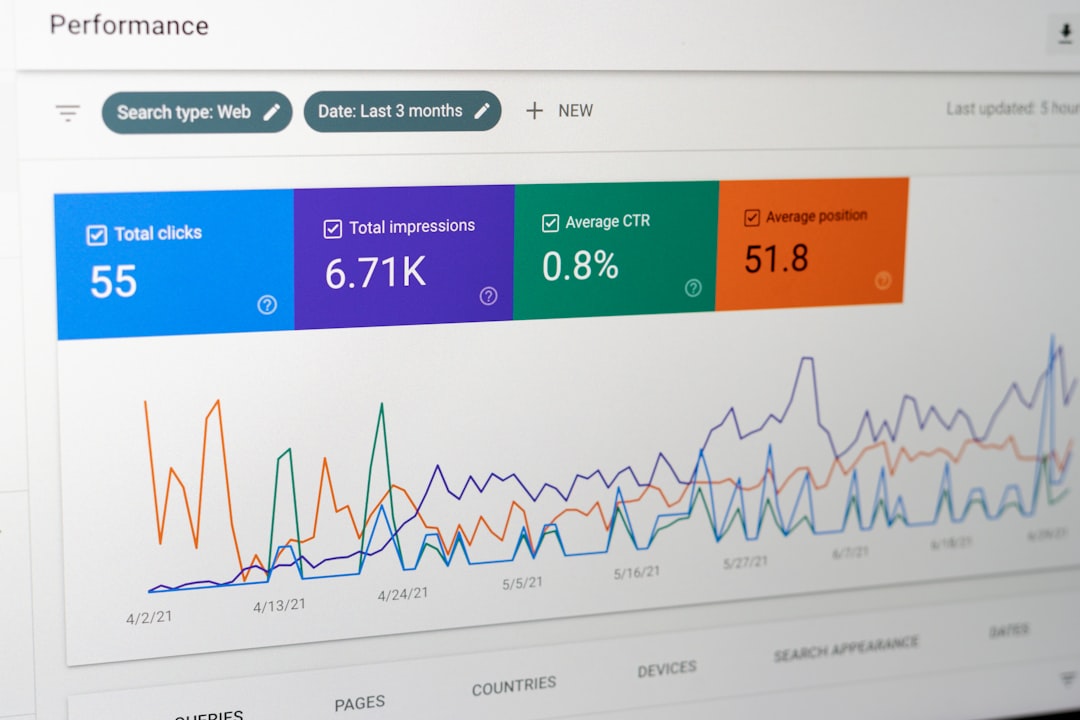
Spot by NetApp takes a somewhat different approach compared to traditional cost management platforms. Rather than focusing purely on reporting and recommendations, Spot emphasizes automation and continuous optimization.
Key Features
- Automated rightsizing: Continuously adjusts resources to match workload demand.
- Spot instance optimization: Leverages discounted compute capacity for significant savings.
- Kubernetes optimization: Cost-aware container and cluster management.
- AI-driven scaling: Automatically scale workloads based on usage patterns.
- Disaster recovery efficiency: Optimize backup and redundancy infrastructure.
Spot’s automation is powered by analytics and machine learning, identifying inefficiencies in real-time and correcting them without requiring manual intervention. This makes it particularly powerful for DevOps teams managing dynamic applications that scale rapidly.
Instead of merely providing alerts about wasted spend, Spot actively resizes and rebalances workloads. For organizations that value agility and elasticity, this proactive optimization can drive substantial savings without sacrificing performance.
Why it stands out: Automation. Spot is ideal for teams that want cost savings built directly into deployment pipelines and operational workflows.
Best For
Cloud-native companies, SaaS providers, and DevOps-driven organizations seeking automated and hands-off optimization.
How These Platforms Compare
While all three platforms help reduce infrastructure spending, they approach optimization differently:
- Apptio Cloudability focuses on financial visibility and accountability.
- Flexera One integrates cost management with governance and compliance.
- Spot by NetApp prioritizes automation and real-time optimization.
Choosing between them depends on your business model and operational maturity. For example:
- If your finance team demands granular forecasting and allocation reports, Cloudability may be ideal.
- If you operate within regulated sectors like healthcare or finance, Flexera’s governance-driven approach might be critical.
- If your infrastructure scales dynamically and you prefer autonomous optimization, Spot offers a compelling solution.
Key Factors to Consider When Choosing a Platform
Before adopting any cloud cost optimization tool, consider the following:
- Multi-cloud support: Does it integrate with all your providers?
- Automation capabilities: Does it only recommend changes, or also execute them?
- Financial transparency: Can you allocate costs to teams or projects?
- Scalability: Will it grow alongside your organization?
- Ease of implementation: How quickly can you begin realizing value?
The right decision often involves balancing visibility, governance, and automation. Some businesses even combine tools to address different aspects of cloud financial management.
The Bigger Picture: Beyond Just Cutting Costs
Cloud cost optimization is not merely about reducing bills—it’s about improving operational efficiency and aligning infrastructure with business goals. When teams gain clarity over spending patterns, they can make informed decisions about scaling, product launches, and innovation investments.
Organizations that implement cloud cost optimization platforms often experience additional benefits:
- Improved cross-department collaboration.
- Greater predictability in financial planning.
- Enhanced governance and compliance posture.
- Reduced technical debt from unused resources.
In today’s competitive landscape, eliminating waste can free up capital for innovation. Whether that means investing in new features, expanding into new markets, or strengthening infrastructure resilience, optimization creates strategic advantages.
Final Thoughts
CloudHealth remains a strong platform in the cloud cost optimization space, but it’s far from the only powerful option. Apptio Cloudability, Flexera One, and Spot by NetApp each offer unique advantages tailored to different organizational needs.
The key is understanding where your greatest challenges lie—visibility, governance, or automation—and selecting a platform that directly addresses those gaps. With the right solution in place, cloud cost optimization evolves from a reactive cost-cutting exercise into a proactive financial strategy.
As cloud adoption continues to accelerate, proactive infrastructure management will separate companies that merely operate in the cloud from those that truly optimize it.
