 logo
logo

In an era defined by rapid change, societal upheavals, and growing mental health awareness, the role of counselors has become increasingly crucial. Modern challenges—from global pandemics and social media pressures to complex family dynamics and workplace burnout—have deepened the psychological strain on individuals and communities alike. As a result, there has been an unmistakable surge in the demand for qualified counselors equipped to navigate these evolving issues with empathy and expertise.
TLDR:
With the rise of modern stressors such as technology overload, economic uncertainty, and increased mental health recognition, the need for trained counselors is more vital than ever. These professionals help individuals cope with increasingly complex emotional and psychological issues in a fast-paced world. Qualified counselors also support communities during crises, guide youth and families, and provide mental wellness strategies at all levels of society. Ultimately, they bridge the growing gap between mental health needs and accessible support.
The Evolution of Life Challenges
Life in the 21st century presents a unique set of obstacles that were virtually unheard of just a few decades ago. While human emotions and mental health concerns have always existed, the context in which they arise has changed drastically. Let’s take a closer look at some of the most pressing challenges of the modern world that are driving the heightened need for professional counseling services.
1. The Always-On Digital World
The digital era has brought undeniable conveniences, but it has also created new forms of stress and psychological strain. Constant connectivity, social media comparisons, and digital overload are known to contribute to anxiety, loneliness, and declining self-esteem—especially among young people.
Today’s children and teens are growing up with smartphones as extensions of themselves, often lacking the healthy boundaries necessary for mental wellness. Adults are not immune to these effects either, with many struggling to disconnect from work emails or online obligations. These trends have introduced new forms of anxiety and identity crises that require targeted and specialized intervention from trained professionals.

2. Increased Mental Health Awareness
Another major factor boosting the demand for counselors is the rising awareness and de-stigmatization of mental health issues. As society becomes more open to discussing depression, anxiety, trauma, and other conditions, more individuals are recognizing the need for help and are proactively seeking support.
This cultural shift is positive—encouraging people to prioritize mental health just as they would physical health—but it has also overwhelmed existing counseling resources. Many clinics and professionals are reporting long waitlists, indicating a shortage of qualified personnel to meet the demand.
Global Crises and Their Impact on Mental Health
Aside from everyday stressors, we’re also facing overwhelming global events that directly influence mental well-being. From pandemics to climate anxiety, modern crises are pushing people’s psychological limits in unprecedented ways.
1. Post-Pandemic Stress and Trauma
COVID-19 changed the world in deeply personal and societal ways. People coped with job losses, isolation, illness, and the death of loved ones—all within a prolonged state of uncertainty. This widespread trauma has left lasting psychological scars that extend well beyond the initial phases of the pandemic.
Now, more than ever, individuals are suffering from depression, social anxiety, and post-traumatic stress disorder (PTSD), all of which require sensitive, specialized support that only trained counselors can provide.
2. Climate-Related Anxiety
Another growing contributor to mental strain is the increasing concern over climate change. From teenagers to older adults, more people are experiencing “eco-anxiety,” or chronic worry about the state of the planet and future generations.
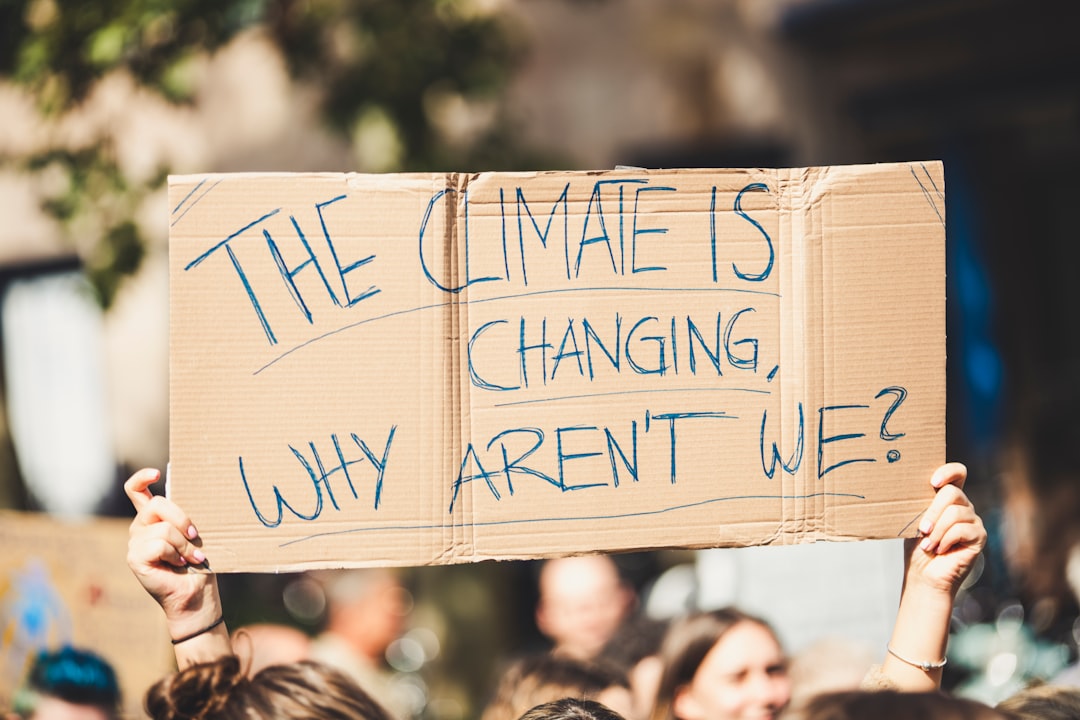
This form of anxiety is often compounded by feelings of helplessness and a lack of control, making counseling essential for helping individuals channel their fears into constructive action and emotional resilience.
The Role of Counselors in Today’s Society
Given the breadth and depth of modern psychological needs, counselors have evolved into more than just therapists. They are mentors, crisis managers, mental health educators, and advocates for underserved communities.
Who Needs Counselors Today?
Virtually everyone can benefit from professional mental health support, but some groups are particularly in need:
- Students and Youth: Increased academic pressure, identity struggles, and bullying (both online and offline) have made high school and college students more vulnerable than ever.
- Workplace Professionals: Burnout, job insecurity, and toxic work environments have led to a rising demand for employee assistance and mental wellness coaching.
- Families and Couples: Family dynamics have become more complex, pushing couples and parents to seek help in managing relationships and parenting stress.
- Marginalized Populations: Individuals from minority communities often face compounded stressors due to discrimination, lack of access to care, or cultural stigma.
Why Simply “Talking to a Friend” Doesn’t Always Work
While having a strong support system is beneficial, qualified counselors provide something uniquely vital: evidence-based strategies grounded in psychological theory and clinical training. Here’s what a professional counselor offers that friends or family might not:
- An unbiased, non-judgmental perspective.
- Professional confidentiality and ethics.
- Diagnostic tools to identify deeper psychological issues.
- Coping mechanisms that are scientifically proven to work.
In short, while friends can offer sympathy, counselors offer solutions.
Counseling Across Different Modalities
Modern counseling is no longer limited to in-person sessions on a couch. Professionals today are expanding into innovative and diverse formats that cater to a wider array of individuals and needs.
Telehealth and Virtual Therapy
One of the silver linings of the pandemic has been the rapid adoption of virtual counseling. Telehealth has made it possible for people in rural or underserved areas to access mental health services easily and affordably.
Specialized Counseling Approaches
In addition to general counseling, specialized fields are on the rise:
- Trauma-Informed Counseling: Focuses on helping individuals recover from long-standing or acute traumatic experiences.
- Career Counseling: Helps people navigate job changes, professional growth, and burnout.
- School Counseling: Provides academic and emotional support for students.
- Grief Therapy: Assists those coping with loss, whether personal or through major collective tragedies.
Building a Resilient Future Through Counseling
The rising complexity of human experience means that mental health services are no longer optional—they’re essential. Counselors play a critical role in helping individuals build psychological resilience in the face of mounting challenges. Whether aiding recovery from trauma, providing life direction, or simply offering a safe space to unpack emotions, the value of counseling cannot be overstated.
As Demand Rises, So Must Supply
To bridge the growing gap between mental health needs and services, more individuals must be encouraged to enter the counseling profession. Educational institutions, governments, and healthcare systems must invest in developing top-tier training programs and scholarships that attract compassionate, intelligent future counselors. After all, society cannot thrive if its individuals are constantly under psychological siege.
Conclusion
In a world where mental strain is becoming the norm, qualified counselors are more vital than ever. From offering individual support to pioneering community-based initiatives, they are on the front lines of promoting emotional well-being and building a more resilient society. Meeting the moment requires not only recognizing their importance but also ensuring their numbers are sufficient to meet the needs of a world in flux. Modern life isn’t getting any simpler, but through counseling, we stand a better chance of navigating it with empathy, awareness, and strength.