 logo
logo

When building an online presence, one of the key decisions every business faces is whether to go with a custom website design or choose from a pre-designed template. Both options have their unique advantages and challenges, and the decision ultimately depends on the specific goals, budget, and timeline of the business. Website design companies are often asked which is better, and their answer is usually not so black and white.
TL;DR Summary
A custom website offers full control, scalability, and uniqueness but comes with a higher cost and longer development timeline. Templates are quicker to launch and more budget-friendly but may limit flexibility and originality. Website design companies usually recommend custom websites for established businesses aiming for long-term growth, while templates are ideal for startups or those needing a quick online presence. The best choice hinges on business goals, brand needs, and available resources.
Understanding Custom Website Design
A custom website design is built from scratch, tailored specifically to the business and its users. This approach involves collaboration between the business and a web design company, often including skilled developers, UX/UI designers, and SEO experts. The final result is a unique, branded experience that speaks directly to the target audience.
- Unique Look and Feel: No other website on the internet will look like yours.
- Tailored Functionality: Features are designed based on the actual needs and goals of your business.
- Scalability: Easier to update and expand as your business grows.
- Better SEO Performance: Clean code and optimized performance from the ground up.

However, building a custom site is not without its challenges. The process can take anywhere from a few weeks to several months, depending on complexity. Costs can vary significantly, but generally, a well-designed custom site requires a larger initial investment.
The Appeal of Template-Based Websites
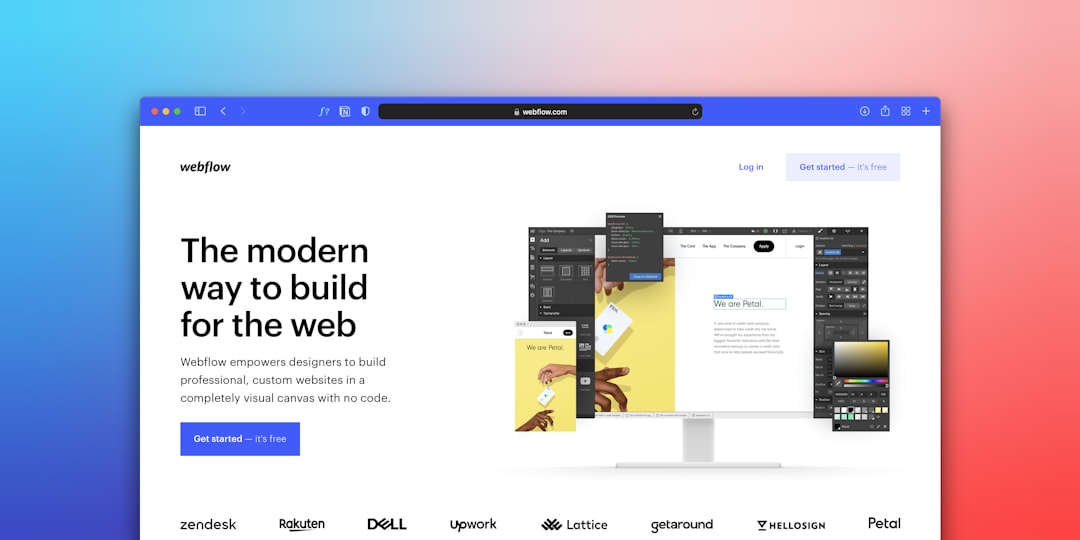
Template-based websites, often offered through platforms like WordPress, Squarespace, or Wix, are ready-made design frameworks that users can customize to fit their content. These templates are often categorized by industry, making it easier for users to get started quickly.
- Cost-Effective: Ideal for businesses with limited budgets.
- Quick Setup: Websites can often go live within days or even hours.
- Pre-Built Functionality: Includes common elements like contact forms, sliders, and galleries.
- No Need for Technical Skills: Great for DIY entrepreneurs or small business owners.
While the affordability and speed are definite advantages, templates also come with limitations.
- Lack of Unique Branding: Other businesses may use the same template, leading to a generic appearance.
- Restricted Customization: There are limits to how much the layout or structure can be altered.
- Performance Issues: Templates often include unnecessary code, which can slow down the site.
What Website Design Companies Recommend
When asked about custom vs template design, most experienced website design companies consider the following factors before making a recommendation:
1. Business Goals
If a business plans to grow rapidly or has specific branding and user experience needs, a custom website is usually recommended. Custom designs allow for more strategic development and scalability.
2. Budget Constraints
For startups or individuals testing an idea, templates provide an affordable way to get started online. As long as expectations are managed, they offer a practical short-term solution.
3. Time Sensitivity
If speed is a priority, templates generally win. However, for important product launches or high-traffic websites, investing the time in custom design can ensure better long-term performance.
4. User Experience and Design Versatility
Website design companies emphasize that user experience shouldn’t be compromised, no matter what route is taken. While good templates can offer a decent UX baseline, they can’t match the personalization that comes with a custom solution.
5. SEO and Performance
Search engines love clean, optimized code – something that’s more easily mastered in custom websites. Templates often load slower and carry excess scripts that can hurt SEO rankings over time.
Pros and Cons Summary
Custom Website – Pros
- Complete design freedom
- Tailored to the brand’s mission and audience
- Excellent long-term value
- Superior technical performance and SEO
Custom Website – Cons
- Higher initial cost
- Longer development time
- Requires more involvement from the client
Template Website – Pros
- Low upfront investment
- Fast deployment timeline
- Good enough for MVPs and small projects
- Minimal technical expertise needed
Template Website – Cons
- Limited customization options
- Performance issues and bloated code
- Generic appearance
- Challenging scalability
When to Choose Custom Over Template
Website design companies typically recommend custom websites when:
- The brand demands a unique identity
- You need advanced functionalities (e.g., custom e-commerce, APIs, integrations)
- The site must handle high traffic volumes
- SEO is a critical part of your marketing strategy
- You’re planning for long-term growth and want flexibility
On the other hand, templates are a good fit when you:
- Are on a tight budget
- Need a quick launch
- Have minimal design or development experience
- Aim to validate a business idea or MVP before investing further
Future-Proofing Your Choice
Some businesses start with a template and migrate to a custom solution as they grow. Website design companies often help clients transition their content and UX to a more advanced platform later on to suit scaling needs.
It’s important to plan ahead: make sure whichever option you choose can evolve with your brand. Ensure that you’re not locking yourself into a system that may become a bottleneck in the future.
In conclusion, reputable website design companies don’t take a one-size-fits-all approach. Instead, they assess each client’s needs and goals before recommending a design path that will serve them best.
Frequently Asked Questions (FAQs)
1. Is a custom website always better than a template?
Not necessarily. A custom website is better for advanced needs, but templates work perfectly for basic or temporary sites.
2. How much more does a custom website cost?
Custom websites can range from a few thousand to tens of thousands of dollars depending on complexity. Templates may cost as little as $0–$500.
3. Can a template website be upgraded to a custom one later?
Yes. Many businesses start with a template and move to a custom design when they’re ready. Most web design firms can facilitate this transition.
4. Will a custom website improve my SEO?
It can. A clean, well-coded, and fast custom site usually provides better SEO performance compared to a bloated template.
5. How long does it take to build a custom website?
The process can take anywhere from 4 to 12 weeks, or more, depending on the scope and requirements of the project.
6. Are templates bad for branding?
Not bad, but limited. Templates can be customized to a degree, but they may not deliver the full brand experience a custom design can achieve.
Choosing between a custom or template website comes down to understanding your priorities, needs, and long-term goals. Consulting with a professional website design company can provide valuable insight to help make the decision easier.