 logo
logo
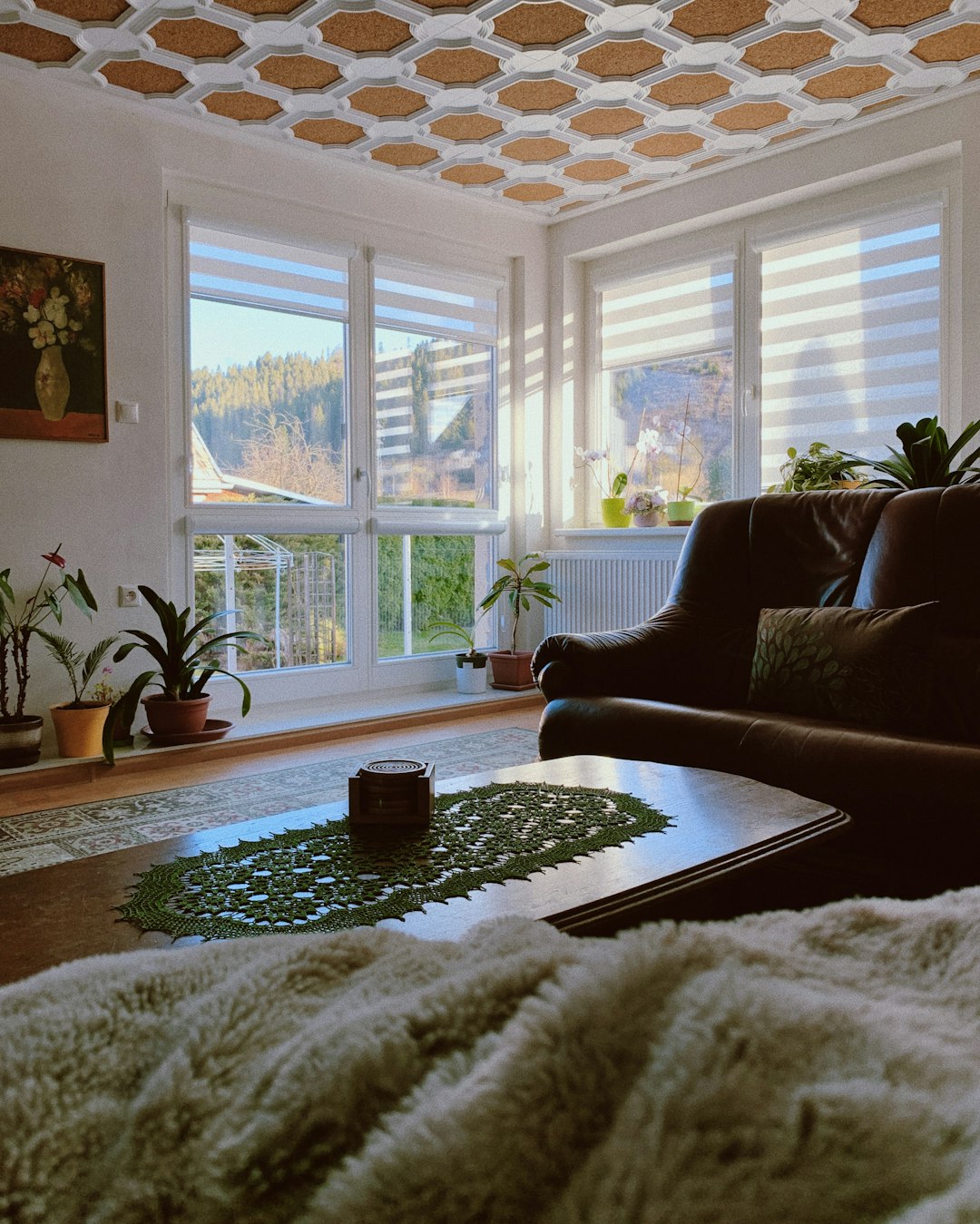
As we look toward 2026, interior design continues to evolve, embracing a multifaceted approach that skillfully blends functionality, comfort, and aesthetic sophistication. Homeowners and designers alike are called to create living environments that serve multiple purposes, reflect personal style, and foster emotional well-being. Whether you’re renovating or building new, paying attention to emerging trends can help you achieve a space that is as smart as it is beautiful.
TLDR: In 2026, interior design is all about thoughtful integration of smart functionality, emotional comfort, and harmonized aesthetics. Whether it’s through multitasking furniture, nature-inspired palettes, or tech-infused living areas, the focus is on creating purposeful and pleasing spaces. Sustainability continues to take center stage, driving choices in materials and layout. Warm textures, curved forms, and smart home tech blend artfully in a home that serves your lifestyle and visual sensibilities.
1. Multi-Functional Spaces: Making Every Inch Count
Modern homes in 2026 prioritize intentional use of space. With more people spending time at home—working, relaxing, and even exercising—multi-functional rooms are becoming a practical necessity.
- Convertible Furniture: Expect to see an increase in high-design pieces that serve multiple roles. Sofas that convert into beds or desks that fold into shelving units are popular choices.
- Zoned Interiors: Instead of fixed rooms for fixed purposes, layout strategies now focus on fluid zoning. Open-plan living can be cleverly divided using rugs, plants, or sliding dividers.
- Flexible Lighting: Ambient, task, and accent lighting are layered into single spaces to facilitate varied uses throughout the day.
This approach not only enhances convenience but also supports mental clarity, providing distinct spaces for productivity and relaxation within the same environment.
2. Technology-Led Design With Human-Centric Focus
Smart home systems are no longer just convenient—they’re now instrumental in shaping how a home operates and feels. In 2026, technology is being more carefully integrated to support lifestyle goals without overwhelming the space with gadgetry.
Key tech-led but human-centered developments include:
- AI-assisted environment control: Systems that learn your routines and adjust lighting, temperature, and soundscape automatically.
- Discreet device integration: Chargers, speakers, and other tech are built into furniture, allowing for seamless functionality that doesn’t interfere with aesthetics.
- Voice and touch customization: Intuitive interaction with your home through natural language interfaces and gesture controls is becoming a standard expectation.
In all cases, the emphasis is on using technology to enhance comfort and functionality without making spaces feel cold or mechanical.
3. Natural Materials and Earth-Toned Color Palettes
A strong connection to nature continues to guide choices in textures and colors. The focus for 2026 is on creating emotionally resonant spaces through sensory materials and serene hues.
Popular elements include:
- Organic materials: Wood, stone, and clay are heavily favored, especially in matte or lightly textured finishes.
- Neutral tones updated: Beyond the traditional beige and gray, warmer neutral shades like terracotta, oat, and soft olive take center stage.
- Biophilic accents: Indoor plants, green walls, and even small indoor water features help reconnect interior spaces with the outdoors.
This interplay results in interiors that feel grounded, calm, and restorative—crucial qualities amidst the increased daily demands on home spaces.

4. Comfort-Driven Aesthetics: From Softer Shapes to Tactile Layers
Another significant trend for 2026 is the prioritization of physical and emotional comfort in material choices and layout decisions. Rather than mere visual appeal, aesthetics now serve as a conduit for emotional wellness and ease.
- Sinuous silhouettes: Curved lines in sofas, armchairs, tables, and even architectural elements like archways convey softness and safety.
- Layered textiles: Think upholstery and curtains made from plush velvets, nubby boucle, and soft wools stacked for tactile interest.
- Comfort-nuanced furniture: Ergonomically designed chairs and customizable bedding systems reflect rising expectations for wellness at home.
This movement reinforces the idea that comfort doesn’t sacrifice style—it enhances it by making spaces more livable and relatable.
5. Color Psychology and Mood-First Design
With mental health and emotional resilience becoming more central to our way of life, designers in 2026 are increasingly using color theory to shape spatial atmosphere. Rather than simply following trending color schemes, palette choices are more personal, nuanced, and rooted in emotional needs.
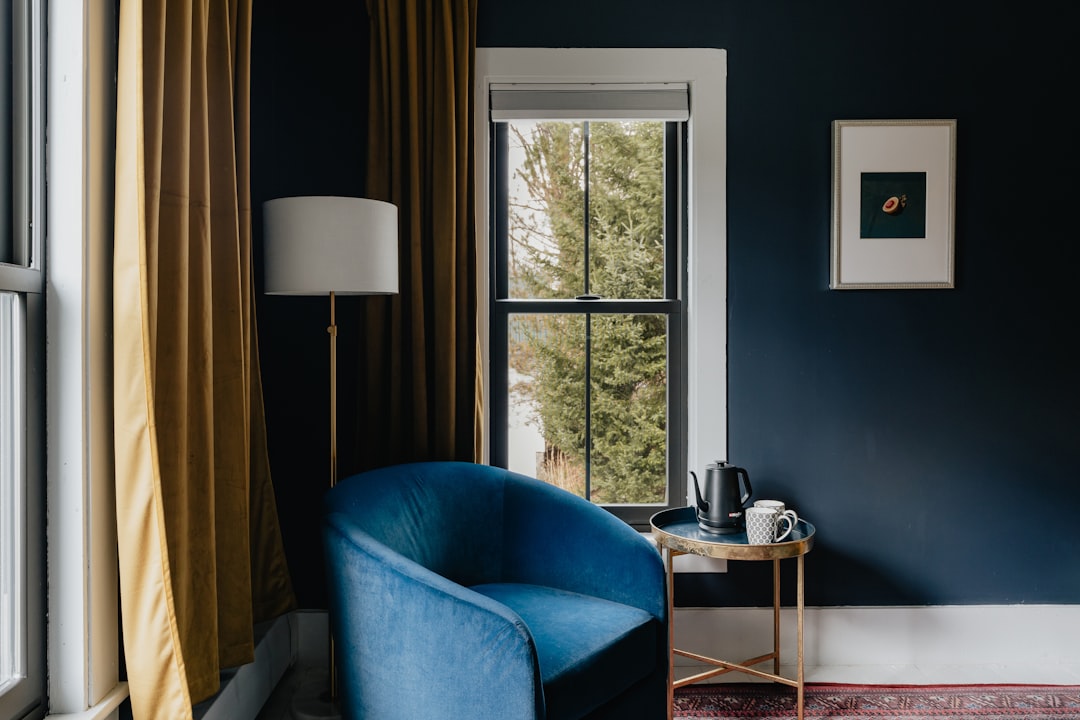
- Restful blues and cooling greens: Used in bedrooms and workspaces to promote calm and concentration.
- Inviting pinks and terracottas: Bring warmth and a sense of affection to communal spaces.
- Vibrant but focused accents: A single bold color—like mustard or cobalt—adds visual interest and energy without overwhelming a space.
Strategic use of color helps shape mood and can significantly improve the way spaces influence our well-being.
6. Eco-Conscious Living As the Design Backbone
Sustainability is no longer a niche consideration—it’s a core foundation for most 2026 interior design projects. Material choices, supply chain awareness, and energy consumption are all under scrutiny.
- Reclaimed and upcycled pieces: Vintage and repurposed materials bring character as well as environmental integrity.
- Low-VOC and non-toxic materials: Walls, floors, and fabrics are increasingly chosen for their health-conscious properties.
- Locally sourced design: From ceramics to furniture, working with artisans of the region minimizes carbon footprints and supports local economies.
Consciously designed homes reflect not just a visual style but a lifestyle ethic—one that promotes responsibility, health, and long-term value.
7. Personalization and Storytelling Through Decor
While mass-produced decor once dominated interior aesthetics, 2026 continues the shift toward unique, meaningful, and personalized elements that tell a visual story about the inhabitants.
- Customized finishes: From hand-painted tiles to bespoke hardware, every detail tells a story.
- Heritage pieces: Family heirlooms and vintage collectibles are proudly integrated into contemporary settings.
- Personal expression walls: Be it a gallery of photos, travel finds, or even an artfully organized bookshelf, these create a sense of identity and connection.
Ultimately, design is becoming more soul-driven—the reflection of who you are and what you love. Aesthetic appeal remains vital, but meaning and narrative now share the spotlight.
Looking Ahead
Interior design in 2026 stands as a dynamic fusion of beauty, utility, and well-being. By focusing on multi-use functionality, natural inspiration, and personal narrative, homes are becoming sanctuaries of balance in an increasingly complex world.
Designers and homeowners who embrace these principles will not only create interiors that look good—they’ll build environments that work beautifully, feel deeply human, and endure meaningfully.