 logo
logo

Mobile devices have become the primary gateway to digital experiences, and apps now serve as critical touchpoints between brands and their audiences. Marketers are under increasing pressure to not only attract users but also sustain engagement in a highly competitive environment. With shrinking attention spans and rising acquisition costs, optimizing mobile and app engagement has shifted from being a strategic advantage to a business necessity. To meet these demands, marketers must rely on powerful tools that provide insight, automation, personalization, and performance optimization.
TLDR: Mobile and app engagement requires more than downloads—it demands personalization, data-driven decisions, and seamless user experiences. The most effective marketers rely on analytics, push notification platforms, in-app engagement tools, A/B testing software, and customer data platforms to optimize performance. These tools help brands understand user behavior, automate outreach, and refine strategies in real time. Leveraging the right combination significantly improves retention, conversions, and long-term loyalty.
1. Mobile Analytics Platforms
Mobile analytics platforms are foundational to any engagement strategy. Without data, marketers operate blindly. Tools such as Firebase Analytics, Mixpanel, and Amplitude allow teams to track how users interact with their apps—from acquisition source to in-app behaviors and churn signals.
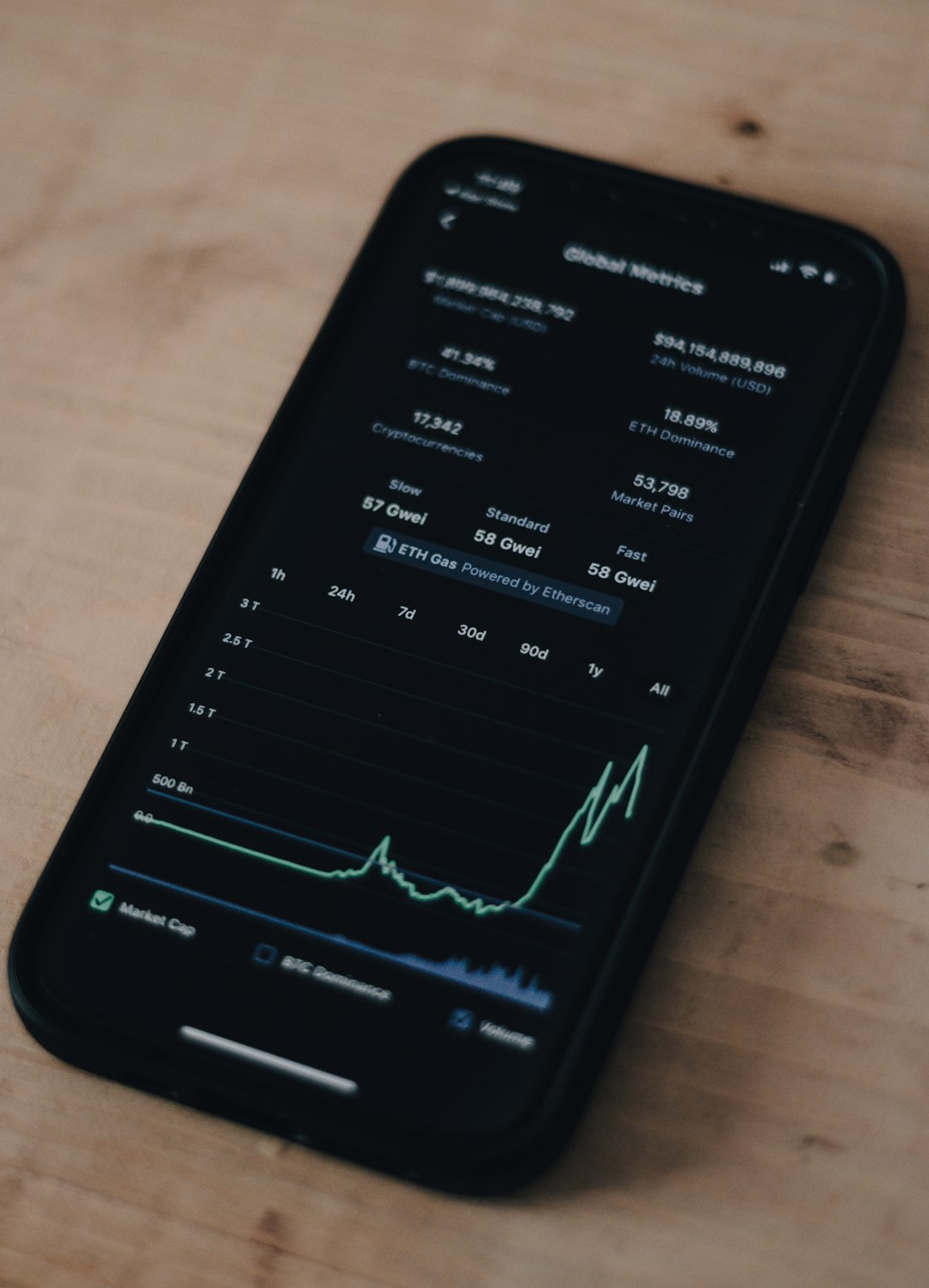
These platforms provide detailed insights into:
- User acquisition sources
- Session duration and frequency
- Screen flow and drop-off points
- Conversion funnels
- Retention cohorts
By analyzing behavioral data, marketers can identify friction points and optimize navigation flows. For example, if users consistently abandon a checkout screen, analytics data can highlight exactly where the problem occurs. Furthermore, advanced segmentation features allow targeting users based on specific behaviors, enabling highly personalized marketing campaigns.
Mobile analytics platforms also support predictive insights. With machine learning capabilities, many tools can forecast churn risk and identify high-value users. This predictive layer empowers marketers to proactively engage users before disengagement occurs.
2. Push Notification and Messaging Platforms
Push notifications remain one of the most effective engagement channels when used strategically. Generic, frequent messaging can drive users away; however, personalized and timely notifications significantly increase retention.
Tools such as OneSignal, Airship, and Braze help marketers manage and automate push notifications, SMS campaigns, and in-app messages from a unified dashboard. These platforms enable:
- Behavior-triggered messaging
- Geo-targeted notifications
- Time zone optimization
- User segmentation
- Performance tracking
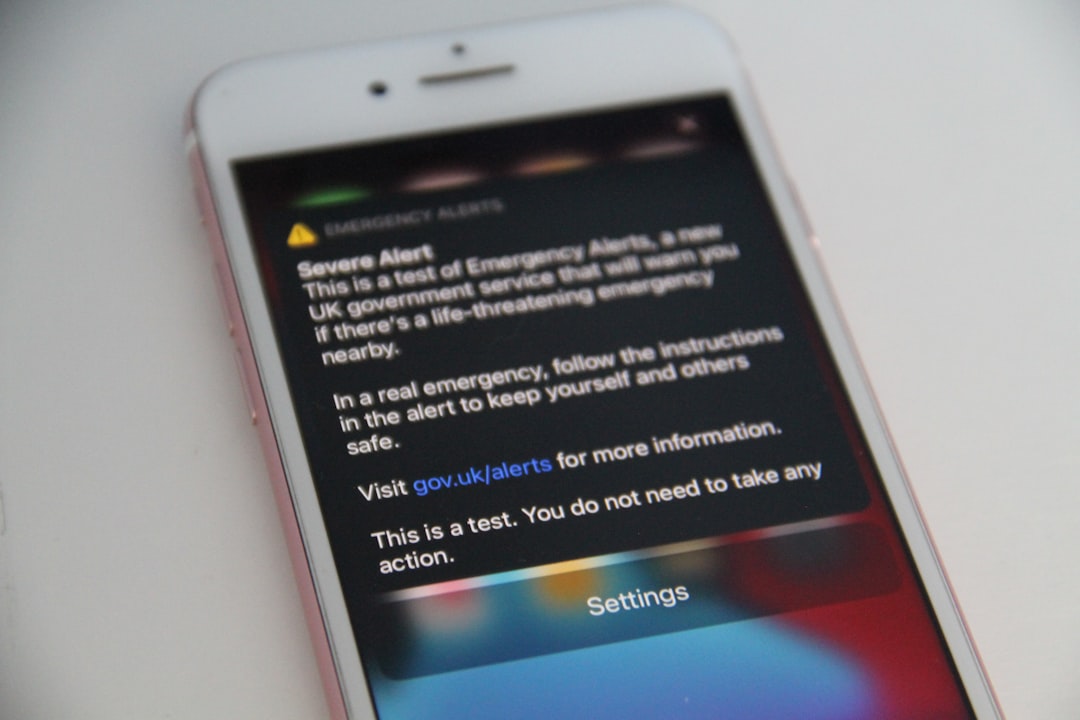
Behavior-triggered notifications are especially powerful. For example, if a user abandons a shopping cart, the system can automatically send a reminder with a discount incentive. Similarly, location-based notifications can drive foot traffic when users are near a retail store.
Effective messaging platforms integrate with analytics tools, creating a closed feedback loop. Marketers can measure open rates, click-through rates, and downstream conversions, continuously refining campaigns to maximize impact.
3. In-App Engagement and Personalization Tools
While push notifications re-engage users externally, in-app engagement tools ensure the experience inside the app remains dynamic and personalized. Platforms like Appcues, Leanplum, and Pendo allow marketers to create in-app messages, onboarding flows, surveys, and feature announcements without extensive development support.
First-time user experience is critical. Research consistently shows that users decide within minutes whether they will continue using an app. With in-app onboarding tools, marketers can guide users through essential features using interactive walkthroughs.
Key capabilities include:
- Interactive onboarding tutorials
- Contextual tooltips
- Personalized product recommendations
- Micro-surveys for feedback collection
- Feature adoption prompts
Personalization driven by behavioral data makes experiences feel tailored rather than generic. For instance, a fitness app can recommend workouts based on past activity, while an e-commerce app can showcase products aligned with browsing history.
In-app engagement platforms also allow rapid experimentation. Marketers can deploy new messaging without app store updates, reducing delays and enhancing agility.
4. A/B Testing and Experimentation Tools
Continuous optimization requires testing. Assumptions about user preferences can be misleading, making experimentation essential. A/B testing tools such as Optimizely, VWO, and Google Firebase Remote Config allow marketers to test variations of app elements to determine what drives the best performance.

Testing opportunities include:
- Button colors and placement
- Call-to-action copy
- Pricing displays
- Onboarding sequences
- Push notification headlines
By systematically testing variants, marketers can identify statistically significant improvements in retention and conversion rates. Even minor interface changes can produce measurable gains when implemented at scale.
Advanced experimentation platforms support multivariate testing and feature flagging, allowing teams to roll out updates gradually. This reduces risk while enabling rapid innovation.
Data from testing cycles also feeds broader strategic decisions. Over time, experimentation fosters a culture of continuous improvement rather than reactive problem-solving.
5. Customer Data Platforms (CDPs)
Fragmented data is one of the biggest barriers to mobile engagement optimization. Customer Data Platforms such as Segment, mParticle, and Tealium unify data from multiple sources into a centralized profile.
A CDP aggregates information from:
- Mobile apps
- Web environments
- Email campaigns
- CRM systems
- Offline interactions
This unified profile enables consistent cross-channel messaging. For example, if a user browses products on a website but completes a purchase within the app, the CDP ensures messaging reflects that journey accurately.
CDPs enhance segmentation precision, empowering marketers to create highly targeted campaigns based on behavioral, demographic, and transactional data. The result is improved personalization across multiple touchpoints.
Additionally, CDPs improve compliance by centralizing consent and data governance processes. With increasing privacy regulations, maintaining transparency and control over user data is essential.
Building a Cohesive Engagement Stack
While each tool offers standalone benefits, the true power emerges when they are integrated into a cohesive ecosystem. Analytics platforms feed insights into messaging tools. CDPs unify data streams. A/B testing tools refine engagement approaches. In-app platforms personalize the experience. Together, they create a closed-loop optimization process.
Effective marketers prioritize:
- Data-driven decision making
- Real-time personalization
- Automation at scale
- Continuous experimentation
Moreover, mobile engagement is not static. User expectations evolve, technology advances, and competitive pressures intensify. The most successful teams remain adaptable, consistently evaluating tool performance and refining strategies.
By leveraging these five categories of tools strategically, marketers can transform mobile apps into meaningful, lasting engagement channels rather than one-time acquisition endpoints.
Frequently Asked Questions (FAQ)
-
1. Why is mobile engagement more important than downloads?
Downloads indicate initial interest, but engagement determines long-term value. Active and retained users generate revenue, referrals, and brand loyalty, whereas unengaged users quickly churn. -
2. How often should marketers send push notifications?
Frequency depends on user behavior and app type. Data analysis and A/B testing should guide optimal timing and volume to avoid notification fatigue. -
3. What metrics are most important for measuring app engagement?
Key metrics include retention rate, session frequency, session duration, conversion rate, churn rate, and lifetime value. -
4. Are Customer Data Platforms necessary for smaller businesses?
Smaller businesses may start without a full CDP, but as data sources multiply, centralized data management becomes increasingly valuable for maintaining consistent personalization. -
5. How can marketers improve onboarding experiences?
They can use in-app engagement tools to build guided walkthroughs, minimize friction, personalize recommendations, and gather user feedback early in the journey. -
6. What role does A/B testing play in long-term engagement?
A/B testing enables continuous optimization. By validating changes through experimentation, marketers ensure engagement improvements are data-backed rather than assumption-driven.