 logo
logo

Cryptocurrency markets move fast, and maintaining a balanced portfolio can quickly become a full-time job. As prices swing and asset allocations drift, investors who fail to rebalance may end up overexposed to riskier coins or underinvested in high-performing assets. Automated portfolio rebalancing software platforms are designed to solve this problem by executing trades according to predefined rules, keeping allocations aligned with an investor’s strategy without emotional interference.
TLDR: Automated portfolio rebalancing software helps crypto investors maintain target allocations without constant manual trading. Platforms like 3Commas, Shrimpy, and Coinrule offer varying levels of automation, integrations, and strategy customization. These tools reduce emotional decision-making, improve risk management, and save time. Choosing the right platform depends on exchange support, pricing, usability, and advanced feature needs.
Why Automated Rebalancing Matters in Crypto
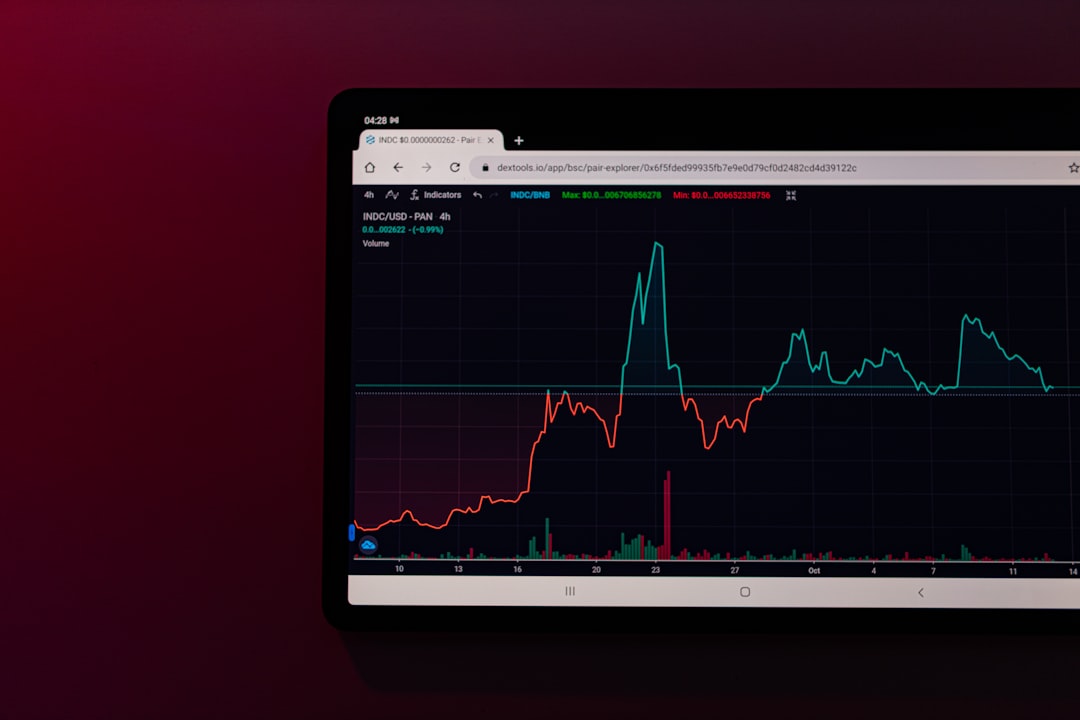
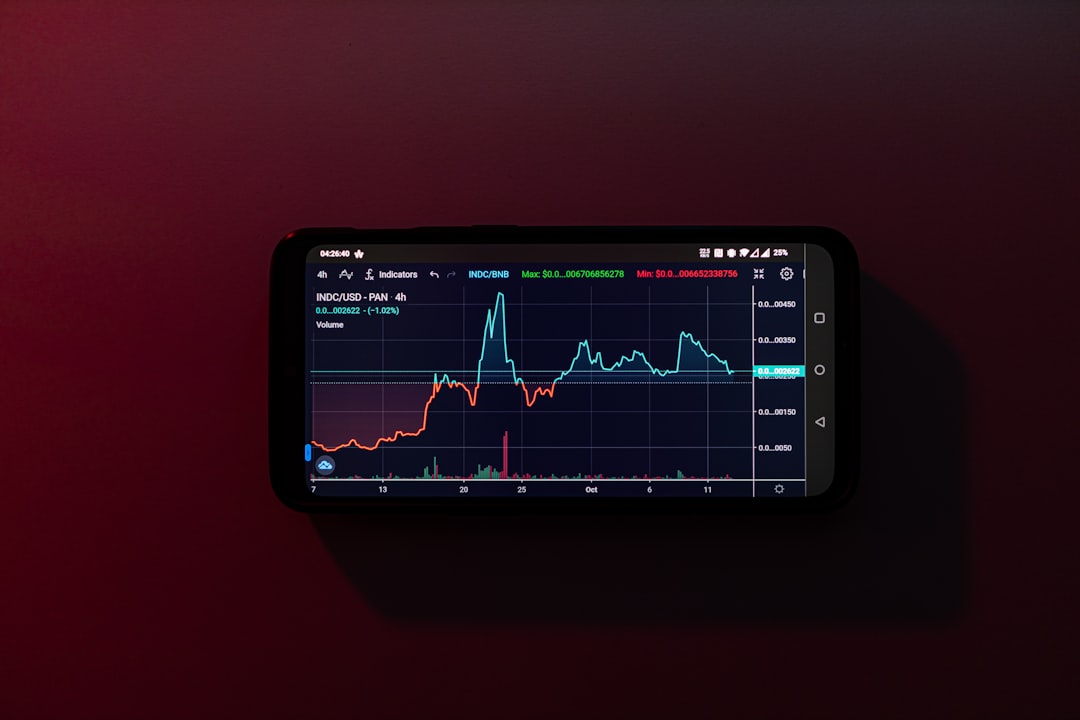
Unlike traditional markets, crypto trades 24/7. Prices can swing dramatically in hours, causing portfolio allocations to drift far from intended targets. For example, if Bitcoin surges while altcoins underperform, a portfolio may unintentionally become heavily Bitcoin-weighted.
Automated rebalancing platforms:
- Maintain target allocation percentages
- Reduce emotional trading decisions
- Execute trades at predefined intervals or thresholds
- Save time and operational effort
These tools typically connect to exchanges via API keys, allowing software to execute trades without withdrawing funds. Security remains a priority, as reputable platforms only require trading permissions, not withdrawal access.
Key Features to Look For
Before selecting a platform, investors should consider several critical factors:
- Exchange integrations: Compatibility with major exchanges like Binance, Coinbase, Kraken, and KuCoin.
- Rebalancing methods: Time-based (daily, weekly) or threshold-based (when allocation shifts by X%).
- Backtesting: Ability to test strategies using historical data.
- Pricing structure: Monthly subscription tiers or performance-based fees.
- User experience: Beginner-friendly interfaces versus advanced customization.
With these criteria in mind, the following three platforms stand out in the crypto rebalancing space.
1. 3Commas
3Commas is a widely recognized crypto trading automation platform offering portfolio rebalancing alongside advanced bot functionality. It caters to both beginner and advanced traders who want more than simple allocation maintenance.
Core Features
- Automated rebalancing bots
- Smart trading terminal
- Grid and DCA bots
- Support for 15+ major exchanges
- Portfolio analytics dashboard
3Commas allows users to create custom portfolios with preset asset percentages. The system automatically places buy and sell orders to maintain these allocations either at regular intervals or when asset weights drift beyond a chosen threshold.
One advantage is its versatility. Investors can combine rebalancing strategies with active bots, creating hybrid strategies that capture volatility while maintaining long-term allocation discipline.
Best for: Investors seeking a powerful, all-in-one trading automation suite with rebalancing functionality.
Pricing: Tiered subscription model ranging from basic plans to advanced pro accounts with expanded bot and portfolio limits.
2. Shrimpy
Shrimpy focuses specifically on crypto portfolio management and rebalancing. It is particularly popular among long-term investors who want a streamlined, user-friendly interface.
Core Features
- Automated portfolio rebalancing
- Custom index creation
- Social trading features
- Strategy backtesting
- API automation tools
Shrimpy enables users to build custom crypto indexes by selecting multiple assets and assigning target weights. Rebalancing can be scheduled hourly, daily, weekly, or triggered by allocation thresholds. This flexibility is helpful for both active traders and passive investors.
One of Shrimpy’s standout features is its social trading integration. Users can copy portfolios from experienced traders or publish their own strategies for others to follow.
Best for: Passive investors who prioritize simplicity, clean design, and automated index investing.
Pricing: Offers free limited plans, with premium tiers unlocking advanced automation and backtesting tools.
3. Coinrule
Coinrule operates as a rule-based crypto automation platform. While not exclusively a rebalancing tool, it enables investors to build logic-based trading strategies that can include portfolio balancing rules.
Core Features
- Rule-based automation builder
- No-code strategy creation
- Exchange integrations with major platforms
- Strategy templates for beginners
- Risk management triggers
Coinrule’s interface allows users to create “If This, Then That” trading rules. For example: If Bitcoin exceeds 50% of portfolio allocation, then sell X% into USDT. This customizable logic allows sophisticated rebalancing strategies tailored to market conditions.
The platform is well-suited for investors who want more granular control and conditional automation beyond simple periodic balancing.
Best for: Advanced users seeking logical, condition-based portfolio automation.
Pricing: Free starter plan with limited rules; paid tiers expand rule limits and functionality.
Comparison Chart
| Feature | 3Commas | Shrimpy | Coinrule |
|---|---|---|---|
| Main Focus | Trading bots + rebalancing | Portfolio rebalancing | Rule based automation |
| Ease of Use | Moderate | High | Moderate to High |
| Exchange Support | 15+ exchanges | 20+ exchanges | Major exchanges |
| Backtesting | Limited | Available | Available |
| Social Trading | Yes | Yes | No |
| Best For | Active traders | Passive investors | Advanced strategists |
Benefits of Using Automated Rebalancing Software
1. Improved Risk Management
Consistent rebalancing prevents portfolio drift and keeps risk exposure aligned with chosen investment strategies.
2. Discipline and Consistency
Automation reduces emotional reactions during market volatility. Algorithms execute trades according to predefined rules.
3. Time Efficiency
Instead of manually tracking price movements and calculating allocations, investors can rely on automated tools.
4. Scalability
As portfolios grow across multiple exchanges and wallets, automation becomes increasingly valuable for maintaining oversight and accuracy.
Potential Drawbacks to Consider
- Subscription Costs: Advanced features usually require monthly payments.
- API Security Risks: Although withdrawals are typically disabled, API key management is critical.
- Over-optimization: Excessive rebalancing may increase transaction fees.
- Market Conditions: In strongly trending markets, rebalancing may reduce potential upside.
Investors should weigh these factors against the convenience and discipline automation provides.
How to Choose the Right Platform
The best choice depends on individual goals:
- Long-term index-style investors: Shrimpy may offer the most intuitive experience.
- Active traders who want added bot functionality: 3Commas is a strong contender.
- Logic-based strategists: Coinrule delivers flexible conditional automation.
Investors should also test free tiers when available to evaluate interface usability and exchange compatibility.
FAQ
1. What is automated crypto portfolio rebalancing?
Automated crypto portfolio rebalancing is the process of using software to automatically buy and sell assets in order to maintain predetermined allocation percentages.
2. Is automated rebalancing safe?
Most reputable platforms use secure API connections without withdrawal permissions. However, users must protect API keys and enable two-factor authentication for added security.
3. How often should a crypto portfolio be rebalanced?
This depends on strategy. Common approaches include weekly or monthly schedules, or threshold-based triggers such as a 5% allocation deviation.
4. Does rebalancing increase trading fees?
Yes, frequent rebalancing can lead to higher transaction fees. Investors should balance rebalancing frequency with cost efficiency.
5. Can beginners use automated rebalancing software?
Yes. Platforms like Shrimpy and Coinrule offer beginner-friendly interfaces and templates that require no coding knowledge.
6. Do these platforms support decentralized exchanges?
Most focus on centralized exchanges. Some may offer limited DeFi integration, but centralized API-based exchange support is more common.
7. Is rebalancing better than holding?
It depends on market conditions and risk tolerance. Rebalancing can improve risk-adjusted returns, but in strong bull markets, buy-and-hold strategies may outperform.
Automated portfolio rebalancing platforms are becoming essential infrastructure for serious crypto investors. By combining discipline, efficiency, and customization, tools like 3Commas, Shrimpy, and Coinrule allow investors to navigate volatile markets with structured precision rather than emotional reaction.