 logo
logo
Blockchain technology has transformed how value moves across the internet, offering a transparent and decentralized way to record transactions. But while blockchains are public by design, the raw data stored on them can be difficult for the average user to interpret. This is where blockchain explorer tools come in. These platforms act as search engines for blockchain networks, enabling users to track transactions, monitor wallet addresses, and analyze on-chain activity in real time.
TLDR: Blockchain explorers are tools that let users search, verify, and analyze transactions and wallet activity on public blockchains. They make complex blockchain data understandable through searchable databases, visual dashboards, and detailed transaction breakdowns. From confirming payments to investigating suspicious movements, explorers offer transparency and insight for individuals, businesses, and researchers. Whether you’re a crypto investor or simply curious, these tools are essential for navigating blockchain networks.
What Is a Blockchain Explorer?
A blockchain explorer is a web-based interface that allows users to search and view data stored on a blockchain. Since blockchains are distributed ledgers made up of blocks containing transaction data, explorers help translate this complex structure into readable information.
Instead of running a full node or parsing raw blockchain data, users can simply enter:
- Wallet addresses
- Transaction IDs (TXIDs)
- Block numbers
- Token contract addresses
Within seconds, the explorer displays detailed information about the query. Each blockchain network—such as Bitcoin, Ethereum, or Solana—has its own explorer tools designed specifically for its protocol structure.
How Blockchain Explorers Work
At their core, blockchain explorers connect to blockchain nodes and index the data stored across the network. The raw blockchain itself is highly structured and optimized for cryptographic security—not for easy human readability. Explorers reformat this data into organized tables, charts, and search results.
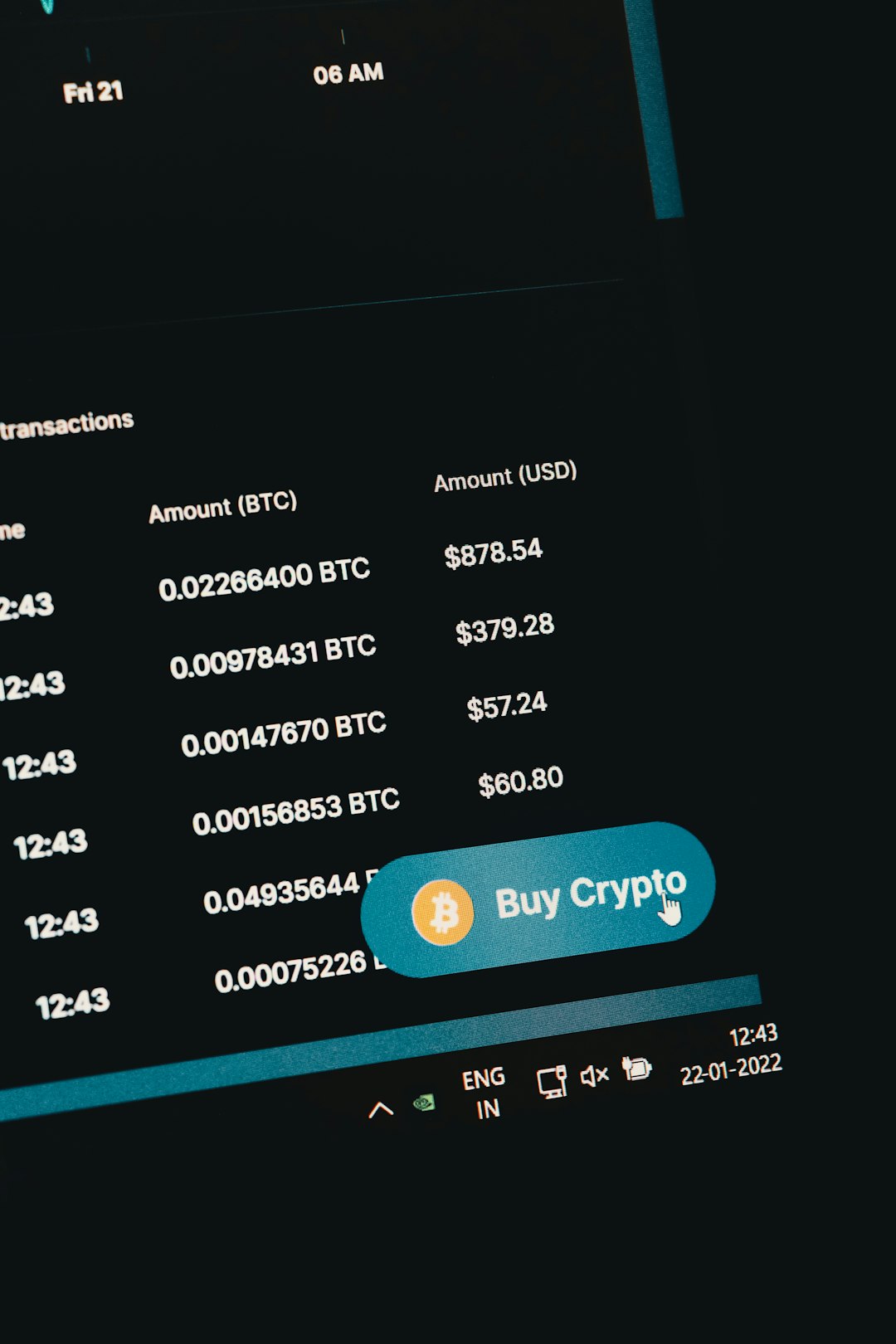
When you search for a transaction, the explorer retrieves relevant data such as:
- Sender and recipient addresses
- Transaction amount
- Timestamp
- Transaction fees
- Number of confirmations
- Block height
This transparency is one of the defining features of public blockchains. Anyone with internet access can verify transfers without needing permission from a central authority.
Tracking Transactions in Real Time
One of the most common uses of a blockchain explorer is tracking a transaction. Imagine sending cryptocurrency to someone. Instead of relying solely on a wallet notification, you can paste the transaction ID into an explorer and independently confirm:
- If the transaction has been broadcast to the network
- Whether it has been included in a block
- How many confirmations it has received
Confirmations are particularly important. A transaction included in a block is considered confirmed once, but multiple confirmations make it increasingly secure and irreversible. For large transactions, users often wait for several confirmations before considering the transfer final.
Explorers also display mempool data—transactions that are pending and waiting to be added to a block. This is especially useful during times of network congestion, when fees fluctuate and delays may occur.
Monitoring Wallet Activity
Beyond individual transactions, blockchain explorers allow users to analyze the complete transaction history of a wallet address. By entering a public wallet address, you can see:
- Incoming and outgoing transactions
- Current balance
- Total value transferred over time
- Associated token holdings (on smart contract chains)
This feature is especially powerful because blockchain wallets are pseudonymous rather than anonymous. Addresses are not directly tied to personal identities, but all activity is publicly visible.
For example, researchers and analysts use explorer tools to:
- Monitor large “whale” wallets
- Track exchange wallet balances
- Follow institutional investment flows
- Investigate suspicious or fraudulent activity
Understanding Block Data
Every blockchain explorer allows users to examine individual blocks. Blocks are containers that bundle together validated transactions. By clicking on a block number, you can view:
- The block’s timestamp
- The miner or validator responsible
- The number of transactions included
- The total fees collected
- The block reward (if applicable)
This level of transparency makes blockchain networks auditable in real time. Analysts can study block activity patterns to understand network congestion, mining distribution, and validator performance.
Token and Smart Contract Tracking
On smart contract platforms like Ethereum, blockchain explorers go beyond simple transfers. They also enable users to inspect:
- Token transfers (ERC-20, ERC-721, etc.)
- NFT transactions
- Smart contract code
- Contract interaction history
This functionality is essential for decentralized finance (DeFi) users. If you stake tokens, swap assets, or mint NFTs, you can confirm that the contract interactions occurred as expected.
Advanced explorers even display decoded input data, showing human-readable descriptions of contract functions executed during a transaction.
Security and Fraud Investigation
Blockchain explorer tools play a vital role in security analysis. Since transaction data is immutable and publicly accessible, suspicious flows of funds can often be traced step by step.
Common investigative uses include:
- Following stolen funds after a hack
- Identifying scam token contracts
- Tracking phishing-related transfers
- Monitoring ransomware wallet addresses
While criminals may attempt to obscure their tracks using mixers or cross-chain transfers, the transparent nature of blockchains makes forensic tracing possible. Law enforcement agencies and cybersecurity firms frequently rely on explorer data alongside advanced analytics platforms.
Benefits of Blockchain Explorers
Blockchain explorers provide several crucial benefits to users at all levels:
- Transparency: Anyone can independently verify transactions.
- Accountability: Public audit trails discourage manipulation.
- Trust minimization: No need to rely solely on third parties.
- Data accessibility: Complex blockchain records become readable.
- Research capability: Analysts can monitor macro trends.
This democratization of financial data represents a major departure from traditional banking systems, where transaction records are typically private and accessible only by institutions.
Limitations and Challenges
Despite their advantages, blockchain explorers have limitations.
Data complexity: New users may still find blockchain terminology confusing.
Pseudonymity: Wallet addresses don’t automatically reveal identities.
Cross-chain fragmentation: Each blockchain requires its own explorer.
Privacy coins: Some blockchains intentionally obscure transaction details.
Additionally, while explorers display raw blockchain data, they do not always interpret context. For example, a large transfer between wallets might represent an exchange reshuffling funds—not necessarily a market-moving sale.
Popular Features to Look For
If you’re choosing a blockchain explorer to use regularly, consider tools that offer:
- Advanced filtering and sorting options
- Token tracking dashboards
- Gas fee trackers
- Exportable transaction data
- API access for developers
- Mobile-friendly interfaces
Developers and businesses often integrate explorer APIs directly into wallets, exchanges, and analytics platforms, enabling automated tracking and reporting.
Blockchain Explorers for Businesses
Businesses increasingly rely on blockchain explorers for operational and compliance purposes. Payment processors verify incoming crypto payments before delivering goods. Accounting teams reconcile on-chain transactions using public records. Compliance teams monitor high-risk addresses to meet regulatory requirements.
In decentralized finance, transparency is even more critical. Investors evaluate liquidity pools, lending protocols, and staking contracts by reviewing transaction histories and total value locked (TVL) metrics.
This open-data environment fosters a culture of self-verification—where trust is built mathematically rather than institutionally.
The Future of Blockchain Tracking Tools
As blockchain adoption grows, explorer tools are becoming more sophisticated. Future developments may include:
- Cross-chain unified search
- AI-powered risk scoring
- Automated wallet labeling
- Interactive data visualization maps
- Real-time anomaly detection alerts
These advancements will likely make blockchain data even more accessible to non-technical users while preserving the transparency that makes decentralized systems unique.
Conclusion
Blockchain explorer tools are essential gateways into the world of decentralized networks. They transform cryptographic ledger entries into readable, searchable, and actionable information. Whether you are confirming a payment, researching wallet behavior, investigating fraud, or studying market trends, explorers provide the transparency that underpins blockchain’s value proposition.
In a digital economy increasingly powered by decentralized technologies, the ability to independently verify financial activity is more than a convenience—it is a fundamental feature. Blockchain explorers empower users with visibility and control, ensuring that the promise of open, trustless systems remains accessible to everyone.
