 logo
logo

SEO has a funny little status symbol. It is called Domain Rating, or DR. People check it. Brag about it. Panic over it. Some even treat it like a gym mirror for their website. But here is the truth. A high DR can be nice. It can also be a shiny hat on a sleepy cat.
TLDR: Domain Rating is a third party metric that estimates the strength of a website’s backlink profile. It is useful, but it is not the same as Google rankings, traffic, leads, or sales. Chasing DR for its own sake can waste time and money. Focus on helpful content, real authority, technical health, user experience, and links that actually matter.
What Is Domain Rating?
Domain Rating is a score used by some SEO tools. It usually runs from 0 to 100. The higher the number, the stronger the site may look based on its backlinks.
Backlinks are links from other websites to your website. Think of them like votes. If many trusted sites link to you, your site may seem more trustworthy. That is the basic idea.
But there is a catch. DR is not made by Google. It is not a Google score. It is not a magic key. It is an estimate from an SEO tool.
That does not mean it is useless. It can help you compare sites. It can help you spot link growth. It can help you understand your backlink profile. But it does not tell the whole story.
It is a map, not the actual city.
Why People Obsess Over DR
People love simple numbers. They are easy to read. Easy to share. Easy to turn into a goal.
A DR of 72 sounds powerful. A DR of 18 sounds sad. Nobody wants to feel like their website is sitting alone at the school dance.
This is why DR becomes a vanity metric. It feels good. It looks clean. It gives people something to brag about in reports.
Agencies may show it to clients. Site owners may use it to compare competitors. Guest post sellers may use it to raise prices. Everyone nods. The number goes up. Confetti appears. Maybe.
But here is the problem.
A rising DR does not always mean your business is growing.
You can have a high DR and low traffic. You can have a high DR and poor rankings. You can have a high DR and zero leads. That is like owning a sports car with no engine. Pretty, but not useful.
The Vanity Trap
The vanity trap starts with a simple thought.
“If we increase DR, SEO will improve.”
Sometimes that is partly true. Better links can help SEO. But DR itself is not the prize. It is only a reflection of one part of your SEO picture.
Chasing DR can lead to bad choices.
- Buying weak links from random websites.
- Publishing guest posts on sites nobody reads.
- Ignoring content quality.
- Forgetting technical SEO problems.
- Targeting links instead of customers.
- Celebrating scores instead of revenue.
This is how teams end up busy but not productive. They build links. They track scores. They make charts. But sales stay flat. Traffic stays weird. Rankings bounce like a kangaroo on espresso.
DR Is Not A Ranking Factor
This part is very important.
Google does not use Domain Rating as a ranking factor.
Google has its own systems. It crawls pages. It understands content. It evaluates links. It looks at many signals. DR is not one of those signals because DR belongs to third party tools.
That does not mean backlinks do not matter. They do. Links can still help search engines discover and trust your site. But Google does not open an SEO tool, check your DR, and say, “Ah yes, this one gets position one.”
That would be silly. Also very convenient. But mostly silly.
What A High DR Can Tell You
Let us be fair. DR is not evil. It is not wearing a tiny villain cape. It can be useful when used correctly.
A high DR may suggest that a domain has many strong backlinks. It may show that the site has earned mentions from other websites. It may help you judge the general link strength of competitors.
You can use DR to ask better questions.
- Why do competitors have stronger link profiles?
- Which pages earn the most links?
- Are our links coming from relevant sites?
- Are we growing over time?
- Do our best links support our most important pages?
Those are useful questions. They lead to strategy. They lead to action. They lead to better SEO thinking.
The mistake is treating DR as the final answer.
What A High DR Cannot Tell You
DR cannot tell you if your content is helpful. It cannot tell you if your visitors trust you. It cannot tell you if your page loads fast. It cannot tell you if your product solves a real problem.
It also cannot tell you if your website makes money.
You might have a DR of 80 and still publish boring content that sends readers into a nap. You might have thousands of links and still fail to answer a simple search question.
SEO is not just link strength. It is not just content. It is not just technical fixes. It is all of these things working together.
The Metrics That Matter More
If DR is not the king, what should you track?
Great question. Please accept this imaginary cookie.
Here are better SEO metrics to watch.
1. Organic Traffic
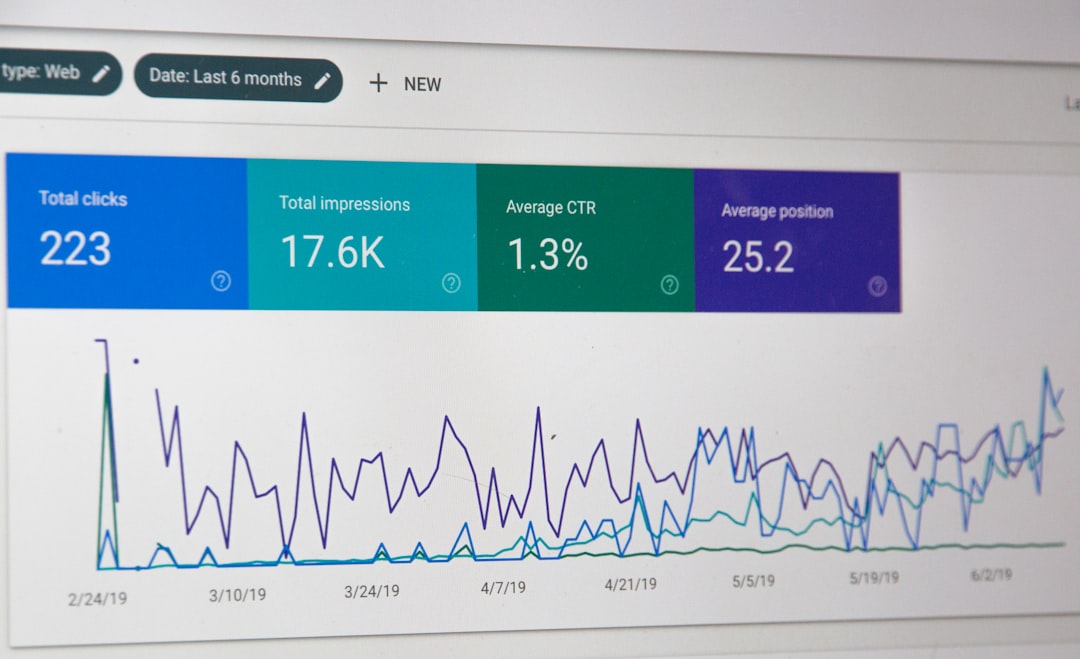
This shows how many people visit your site from search engines. More traffic can mean your visibility is growing.
But do not stop there. Look at the quality of that traffic. Are visitors staying? Are they reading? Are they clicking? Or are they leaving faster than a cat near bath water?
2. Keyword Rankings
Track the keywords that matter to your business. Not every keyword is equal.
Ranking for “funny potato facts” may bring traffic. But if you sell accounting software, that traffic may not help much. Unless your target market is potatoes with tax problems.
3. Leads And Sales
This is where SEO meets business reality.
Are visitors filling out forms? Booking calls? Buying products? Joining your email list?
Traffic without conversions is just a parade walking past your store.
4. Content Quality
Helpful content wins attention. It answers questions. It solves problems. It makes the reader feel understood.
Good content is clear. It is useful. It is easy to scan. It does not hide the answer under seven layers of fluff.
5. Search Intent
Search intent means the reason behind a search.
If someone searches “best running shoes,” they likely want comparisons. If they search “how to tie running shoes,” they want instructions. If they search “buy red running shoes size 10,” they are ready to shop.
Your page must match the intent. If it does not, Google may choose another page.
6. Technical SEO
Your site needs to be easy for search engines to crawl and understand. It also needs to work well for people.
- Fast loading pages.
- Mobile friendly design.
- Clean site structure.
- Working internal links.
- No messy duplicate pages.
- Clear titles and headings.
Technical SEO is not glamorous. It is like plumbing. Nobody claps when it works. Everyone complains when it breaks.
7. Relevant Backlinks
Not all links are equal. A link from a respected site in your industry is usually better than a link from a random blog about coupons, goats, and celebrity soup.
Relevance matters. Trust matters. Placement matters. Real human value matters.
A smaller number of strong, relevant links can beat a pile of weak links.
Why Low DR Sites Can Still Win
Here is where things get fun.
A low DR site can outrank a high DR site. It happens all the time.
Why?
Because ranking depends on the page, the query, the content, the competition, the intent, and many other signals. A small site with a brilliant page can beat a large site with a lazy page.
Imagine two restaurants.
One has a giant sign and fancy doors. But the food is cold. The menu is confusing. The chairs squeak.
The other is small. But the food is amazing. The service is friendly. People come back.
Which one wins in the long run?
The same idea applies to SEO. Authority helps. But usefulness wins hearts. And search engines are built to satisfy searchers.
The Problem With Buying DR
Some people try to buy their way to a high DR. They purchase links from sites that exist only to sell links. These sites may have inflated scores. They may look strong on paper. But they often have no real audience.
This is risky.
Bad link building can harm your site. It can waste your budget. It can create a link profile that looks unnatural. It can also distract you from work that would actually help your business.
If a link exists only to lift a metric, be careful.
A good link should make sense even if SEO tools did not exist.
Ask this:
- Would a real person click this link?
- Is the website relevant to our topic?
- Does the page have actual value?
- Does this mention build trust?
- Would we still want this link without a DR score?
If the answer is no, step away from the shiny link buffet.
How To Use DR The Right Way
You do not need to ignore DR. You just need to keep it in its lane.
Use it as a clue. Not a trophy.
Here is a healthy way to think about it.
- Use DR for comparison. See how your site compares to competitors.
- Watch trends. A steady increase can show backlink growth.
- Check link opportunities. It can help you sort prospects, but never use it alone.
- Look deeper. Review traffic, relevance, content quality, and link placement.
- Connect it to outcomes. Ask if links are helping rankings, traffic, and conversions.
DR is one dashboard light. It is not the whole car. If the “check engine” light is off, you still might have no tires.
Build Real Authority Instead
Real authority is not just a number. It is trust.
You build it by showing up with useful answers. You earn it by helping your audience. You grow it by being cited, shared, and remembered.
Here are simple ways to build real authority.
- Create original research.
- Publish clear guides.
- Interview experts.
- Share case studies.
- Answer common questions better than anyone else.
- Update old content.
- Build relationships in your industry.
- Make tools, templates, or resources people want to share.
This kind of work takes more effort. It is not as quick as buying links. But it lasts longer. It also builds a brand, not just a score.
A Simple SEO Priority List
If you feel lost, use this order.
- Know your audience. Understand their questions and problems.
- Choose useful keywords. Pick terms with business value.
- Match search intent. Give people what they came for.
- Create excellent content. Make it clear, complete, and readable.
- Fix technical issues. Help search engines and users move around.
- Improve conversions. Turn visits into action.
- Earn relevant links. Build trust from the right places.
- Measure outcomes. Track traffic, leads, sales, and growth.
Notice where DR appears on that list.
It does not.
Links appear. Authority appears. Trust appears. Business outcomes appear. DR is only a way to estimate part of that picture.
Final Thoughts
Domain Rating is not bad. The obsession is the problem.
It is fine to monitor DR. It is fine to celebrate growth. It is even fine to smile when the number goes up. We are human. We like points. That is why video games are so powerful.
But do not confuse points with progress.
The real goal of SEO is not a higher score. The real goal is to help the right people find you, trust you, and take action.
So yes, check your DR. Give it a polite nod. Maybe offer it a tiny cup of tea. Then get back to the work that actually matters.
Create better content. Build real relationships. Improve your site. Serve your audience. Track business results.
That is how SEO grows from vanity to value.
