 logo
logo
San Diego is a city where local personality, creative ambition, and business competition all meet online. From surf shops in Pacific Beach and restaurants in Little Italy to biotech startups in Torrey Pines and consultants working from North County, every organization needs a website that does more than simply “look nice.” The right website should explain your value, build trust quickly, guide visitors toward action, and feel unmistakably connected to your brand.
TLDR: Web design services in San Diego help businesses and creatives build websites that are attractive, functional, and aligned with local audiences. A strong website should combine strategy, user experience, mobile performance, search visibility, and brand storytelling. Whether you hire a freelancer, boutique studio, or full-service agency, the best partner will focus on business goals rather than visuals alone.
Why Web Design Matters So Much in San Diego
San Diego has a distinctive business environment. It is relaxed, but not lazy; creative, but still highly competitive. Consumers here are used to polished digital experiences, whether they are booking a fitness class, comparing real estate agents, researching a law firm, or ordering from a local café. If your website feels outdated, confusing, or slow, visitors may assume the same about your service.
A well-designed website acts as your digital storefront. It is often the first place people decide whether your business feels credible. For creatives, it can serve as a portfolio, sales tool, and personal brand platform all at once. For service businesses, it can become a lead generation engine. For retailers, it can turn casual browsing into meaningful revenue.
The best websites are not built around decoration. They are built around decisions. Every color, page, button, image, and line of copy should help visitors understand who you are, what you offer, and why they should care.

What Web Design Services Usually Include
When people search for web design services in San Diego, they may imagine someone simply creating a few attractive pages. In reality, professional web design often includes a much broader set of services. Depending on the provider, you may receive strategy, design, development, writing, optimization, and ongoing support.
- Website strategy: Defining your audience, goals, messaging, competitors, and user journey before design begins.
- UX and UI design: Creating layouts that are easy to navigate, visually engaging, and focused on user behavior.
- Responsive development: Making sure your site works smoothly on phones, tablets, laptops, and desktop screens.
- Content planning: Organizing pages and copy so visitors can quickly understand your offer.
- SEO foundations: Structuring pages, headings, metadata, and site speed to improve search visibility.
- Ecommerce setup: Building online stores, product pages, checkout flows, and inventory integrations.
- Maintenance and support: Updating software, fixing issues, improving security, and adding new features over time.
Some businesses need a simple brochure-style site, while others need complex booking systems, membership portals, custom databases, or ecommerce platforms. The key is choosing services that match your goals instead of paying for features you will not use.
The Human Side of Great Web Design
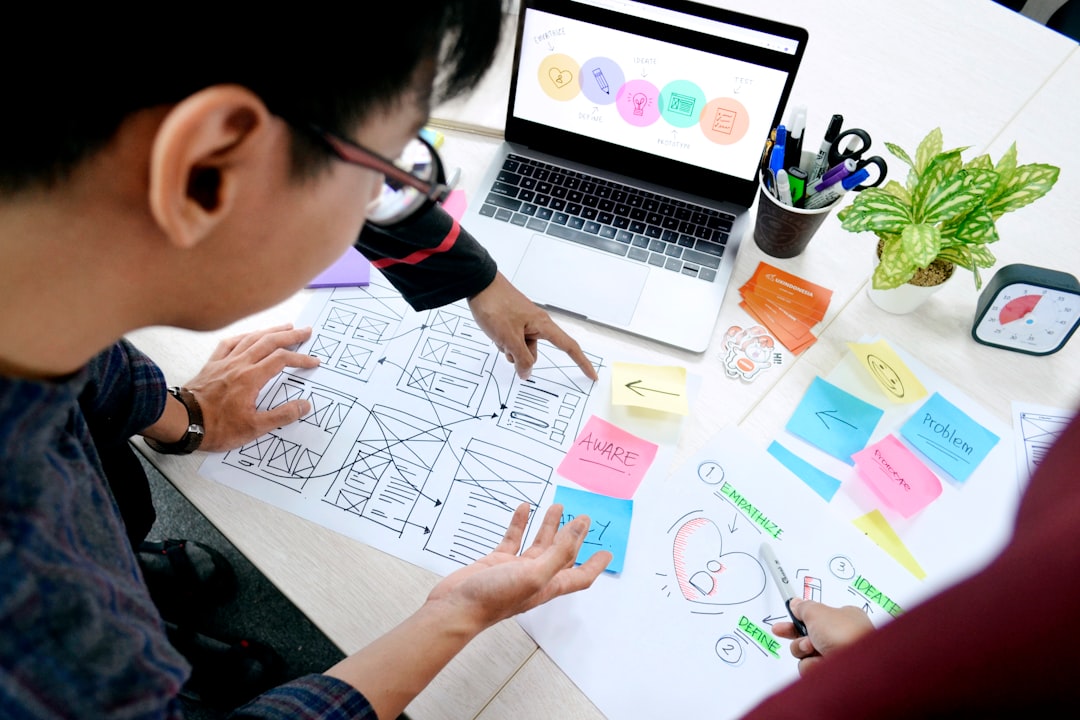
Technology matters, but website success still depends heavily on human understanding. A beautiful design will not work if it ignores customer fears, motivations, and expectations. Good web designers ask thoughtful questions: What problem does your audience want solved? What makes them hesitate? What information do they need before contacting you? What emotional impression should your brand leave?
This is especially important in a relationship-driven city like San Diego. Local audiences often respond well to brands that feel genuine, warm, clear, and community-aware. A dental practice in La Jolla, a nonprofit in Barrio Logan, and a wedding photographer in Encinitas should not all sound or look the same. Their websites should reflect different personalities, audiences, and trust signals.
Human-driven design means your website is not treated as a generic template. It is shaped by real conversations, real business objectives, and real customer behavior.
Freelancer, Studio, or Agency: Which Is Best?
San Diego offers many options for web design help, from solo freelancers to boutique creative studios and larger digital agencies. Each can be the right choice depending on your needs, budget, and timeline.
- Freelancers often provide personal attention and flexible pricing. They can be ideal for small businesses, artists, startups, and simple website builds.
- Boutique studios usually combine creative direction with a small team approach. They are a strong fit for businesses that want custom branding, strategy, and a polished visual identity.
- Full-service agencies may offer web design, advertising, SEO, content, analytics, and development under one roof. They are useful for larger companies or businesses planning major growth campaigns.
Do not choose based only on size. A small team with strong process can outperform a large agency that does not understand your niche. Likewise, a solo designer may create beautiful visuals but lack technical support if your site requires complex functionality. Ask about process, communication, experience, platforms, and post-launch support before making a decision.
What Makes a Website Effective?
An effective website balances beauty and performance. It should feel visually appealing, but it also needs to load quickly, guide users clearly, and support measurable goals. Many websites fail because they focus too much on aesthetics and not enough on usability.
Here are the qualities that matter most:
- Clear messaging: Visitors should immediately understand what you do, who you help, and why you are different.
- Simple navigation: Menus should be intuitive, with page labels that make sense to ordinary users.
- Strong calls to action: Buttons such as “Book a Consultation,” “View Our Work,” or “Request a Quote” should be easy to find.
- Mobile-first design: Many users will visit from phones, so the mobile experience must be fast and comfortable.
- Trust builders: Testimonials, case studies, reviews, certifications, press mentions, and real photography can reduce hesitation.
- Search readiness: Search engines need clean structure, useful content, and technical quality to understand your site.

Local SEO and San Diego Visibility
A website is most powerful when people can actually find it. For many local businesses, local SEO is essential. This means optimizing your website so people searching in or around San Diego can discover your services. A local restaurant, therapist, contractor, photographer, or attorney typically needs more than a pretty homepage; they need pages and content that connect with how people search.
For example, a business may benefit from location-focused pages, service-specific content, optimized title tags, fast loading speed, structured headings, and consistent business information. If your company serves multiple areas, such as Chula Vista, Del Mar, Carlsbad, Mission Valley, or Coronado, your website should make that service area clear without sounding repetitive or artificial.
Good local SEO feels helpful, not forced. It answers real questions, shows relevance, and gives search engines a clear understanding of your business.
Designing for Creatives and Personal Brands
San Diego has a large community of photographers, artists, musicians, coaches, designers, writers, makers, and independent consultants. For creatives, website design is often about more than lead generation. It is about building a memorable identity and presenting work in a way that feels intentional.
A creative website should let the work breathe. That may mean clean portfolio grids, immersive project pages, short artist statements, press features, client lists, or behind-the-scenes storytelling. However, creativity should not come at the cost of clarity. Visitors still need to know what you offer, how to hire you, and what to do next.
For personal brands, tone is especially important. Your website should sound like you, but in a polished and purposeful way. A strong designer or content strategist can help transform scattered ideas into a focused digital presence.
Common Web Design Mistakes to Avoid
Many businesses invest in a new website only to discover later that it does not perform well. The problem is usually not one single mistake, but a combination of small issues that create friction.
- Too much information on the homepage: Visitors need direction, not a wall of content.
- Weak or generic copy: Phrases like “quality service” and “we care about customers” need proof and specificity.
- Poor mobile layout: Tiny text, crowded buttons, and slow images can drive mobile visitors away.
- No conversion path: If users cannot quickly contact, book, buy, or subscribe, the site is failing its purpose.
- Ignoring analytics: Without tracking, you cannot know what users are doing or where improvements are needed.
The goal is not perfection on launch day. The goal is to create a strong foundation that can be tested, improved, and expanded over time.
How Much Do Web Design Services Cost?
Pricing in San Diego varies widely. A simple website from a freelancer may cost significantly less than a custom agency project with branding, copywriting, SEO, and advanced development. Costs depend on page count, design complexity, ecommerce needs, integrations, content requirements, and timeline.
Instead of asking only, “How much does a website cost?” ask, “What business outcome should this website support?” A low-cost site that does not generate leads or sales can become expensive in the long run. A higher-quality site that improves trust, conversions, and search visibility may provide greater value over time.
Before starting, request a clear proposal that outlines deliverables, timeline, revision rounds, platform, ownership, hosting responsibilities, and ongoing fees. Transparency prevents confusion later.
Choosing the Right San Diego Web Design Partner
The best web design partner will listen before they recommend. They should want to understand your business model, audience, competitors, and goals. Look at their portfolio, but also pay attention to how they communicate. Are they asking smart questions? Can they explain their process clearly? Do they discuss strategy, performance, and maintenance, or only colors and layouts?
Helpful questions to ask include:
- What is your design and development process?
- Will the website be custom designed or based on a template?
- How do you approach mobile design and site speed?
- Do you provide copywriting, SEO, or content guidance?
- What happens after launch if something breaks or needs updating?
- Will I be able to edit content myself?
A trustworthy provider will answer in plain language and help you make informed decisions. They will not pressure you into unnecessary features or hide important details behind technical jargon.
Final Thoughts
Web design in San Diego is about more than building pages. It is about creating a digital experience that reflects your brand, respects your audience, and supports your goals. Whether you are a growing company, a local service provider, a nonprofit, or an independent creative, your website should work as a living part of your business.
When strategy, design, content, and technology come together, a website becomes more than an online address. It becomes a place where people understand you, trust you, and take the next step. In a city as dynamic as San Diego, that kind of human-centered digital presence can make a meaningful difference.