 logo
logo
Managing multiple brand accounts across social media platforms is no longer a niche challenge reserved for global corporations. Agencies, growing startups, franchises, and even mid-sized companies must coordinate messaging across Facebook, Instagram, LinkedIn, X, TikTok, Pinterest, and more—all while maintaining brand consistency and performance tracking. Without the right scheduling software, this task quickly becomes inefficient, error-prone, and difficult to scale.
TLDR: Social media scheduling tools are essential for managing multiple brand accounts efficiently and professionally. The right platform should offer centralized dashboards, collaboration features, advanced analytics, and automation capabilities. This article reviews six of the most reliable tools for managing multiple brands, comparing their features, strengths, and ideal use cases. A comparison chart is included to help streamline your decision-making process.
Below are seven reputable social media scheduling tools that stand out for their functionality, scalability, and trustworthiness.
1. Planable
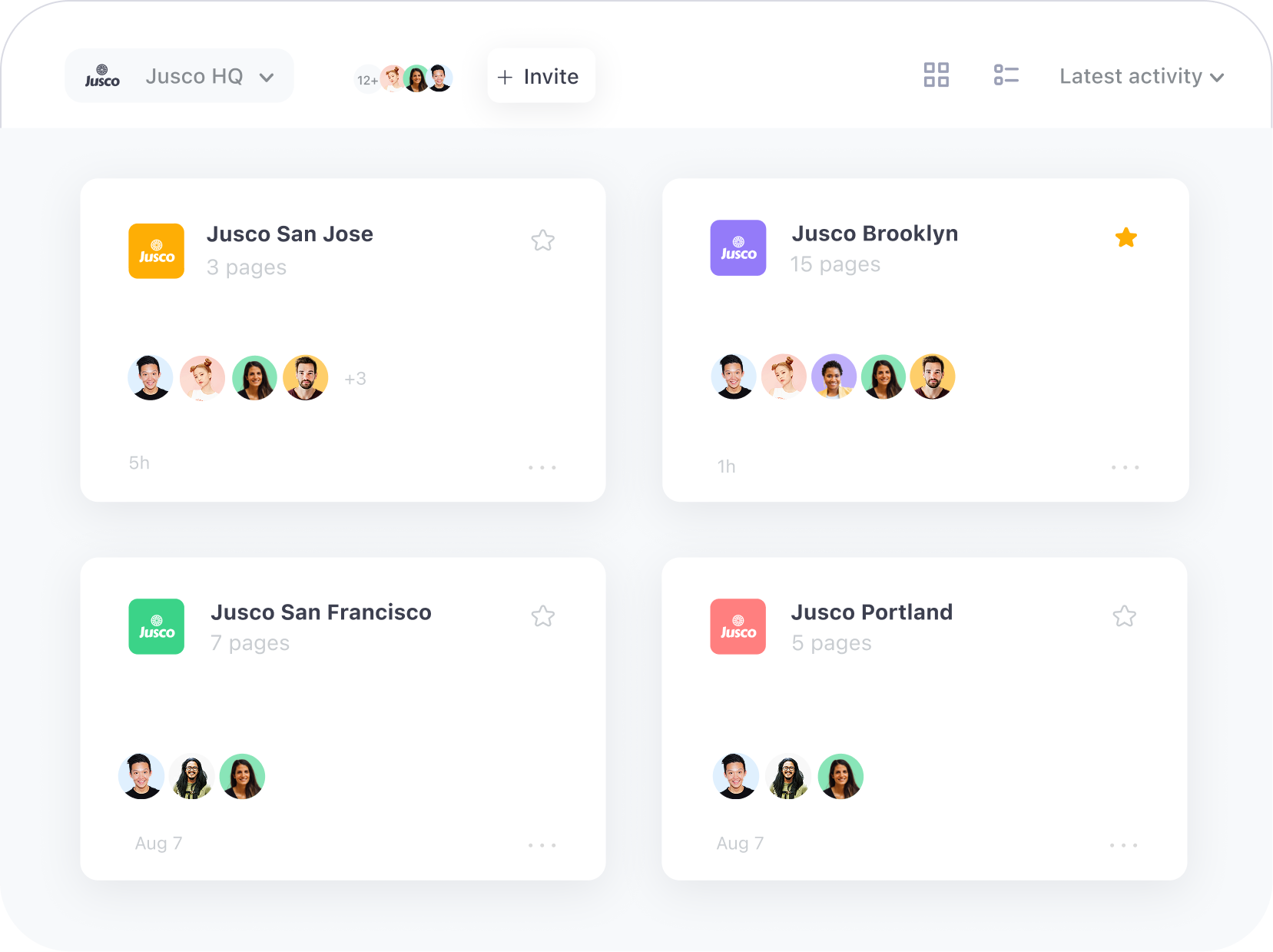
Planable is a social media management platform built specifically for agencies and marketing teams that need to manage multiple brand accounts without sacrificing collaboration quality or approval oversight. Where many tools treat multi-brand management as a dashboard configuration, Planable structures it around dedicated workspaces — each brand or client gets its own isolated environment with its own roles, permissions, and approval chain.
Key features:
- Multi-channel publishing across all major platforms
- Visual content calendar with four views
- Cross-channel analytics dashboard
- AI Assistant for content generation
- Real-time collaboration with comments directly on visuals
- Guest review links
Best for: Agencies and marketing teams managing multiple client brands that need structured approval workflows, clean account separation, and a frictionless client review experience.
Strength: Approval workflows and client collaboration architecture — no other tool in this list makes it as easy for clients to review and sign off on content without onboarding them into a platform.
Limitation: Planable is built for collaborative teams, not solo creators or freelancers. It is also built for agencies and mid-sized marketing teams rather than enterprise organizations with complex compliance and audit requirements.
2. Hootsuite
Hootsuite remains one of the most established names in social media management. Designed for teams and enterprises, it offers comprehensive multi-account management capabilities with strong analytics and governance tools.
Key features:
- Unified dashboard for multiple social networks
- Bulk scheduling and automated posting
- Customizable analytics reports
- Team roles, permissions, and approval workflows
- Social listening tools
Best for: Mid-sized to enterprise organizations managing several brands that require structured collaboration workflows.
Strength: Strong governance and reporting capabilities.
Limitation: Pricing can scale quickly for larger teams.
3. Sprout Social
Sprout Social is known for its clean interface and robust reporting engine. It excels in analytics, making it particularly useful for brands that prioritize data-driven decision-making.
Key features:
- Cross-platform scheduling
- Smart inbox for unified message management
- Advanced reporting and audience insights
- CRM integration tools
- Approval and asset management workflows
Best for: Agencies and brands that rely heavily on analytics and client reporting.
Strength: High-quality analytics and reporting visualizations.
Limitation: Premium pricing may deter smaller businesses.
4. Buffer
Buffer offers a streamlined and intuitive solution for scheduling content across multiple accounts. While it may be simpler than enterprise-level options, it remains highly reliable and scalable.
Key features:
- Easy-to-use scheduling interface
- Content calendar view
- AI-assisted content suggestions
- Performance analytics per post
- Team collaboration features
Best for: Small to medium-sized businesses or agencies managing multiple brands with lean teams.
Strength: Simplicity and affordability.
Limitation: Fewer enterprise-level features compared to Sprout or Hootsuite.
5. Later
Later was originally built for visual platforms like Instagram but has expanded significantly. It is particularly strong for brands that rely on visual storytelling.

Key features:
- Visual content calendar
- Drag-and-drop scheduling
- Link in bio landing page tools
- User-generated content curation
- Hashtag suggestions
Best for: Fashion, lifestyle, ecommerce, and other visually driven brands.
Strength: Visual-first planning and intuitive content management.
Limitation: Limited advanced analytics compared to enterprise tools.
6. Zoho Social
Zoho Social offers solid multi-brand functionality at a competitive price point. It integrates seamlessly with the broader Zoho ecosystem, making it appealing for businesses already using Zoho CRM or other Zoho products.
Key features:
- Multi-brand dashboards
- Real-time monitoring and listening
- Custom reporting dashboards
- CRM integration
- Team roles and approval workflows
Best for: Cost-conscious businesses and agencies seeking CRM integration.
Strength: Strong value for money.
Limitation: Interface may feel less modern than competitors.
7. Agorapulse
Agorapulse is widely respected for its unified inbox and collaboration features. It balances usability with robust functionality, making it suitable for organizations of various sizes.

Key features:
- Unified social inbox
- Scheduling and queue management
- Social listening tools
- Detailed performance reports
- Team approval workflows
Best for: Agencies and businesses that require strong team coordination and client reporting.
Strength: Excellent inbox management and ease of collaboration.
Limitation: Advanced listening features can require higher-tier plans.
Comparison Chart
| Tool | Best For | Analytics Depth | Team Collaboration | Pricing Level |
|---|---|---|---|---|
| Hootsuite | Enterprise multi-brand management | Advanced | Excellent | High |
| Sprout Social | Data-driven agencies | Very Advanced | Excellent | High |
| Buffer | Small to mid-sized teams | Moderate | Good | Moderate |
| Later | Visual brands | Basic to Moderate | Good | Moderate |
| Zoho Social | Budget-conscious businesses | Moderate | Good | Low to Moderate |
| Agorapulse | Agencies and collaboration-heavy teams | Advanced | Excellent | Moderate to High |
How to Choose the Right Tool
Selecting the right software depends less on popularity and more on operational complexity. Consider the following criteria:
- Number of Brands: Ensure the platform supports multiple brand workspaces without excessive cost increases.
- Team Size: Look for role-based permissions and approval chains.
- Reporting Needs: Agencies often require customizable, exportable reports.
- Platform Coverage: Confirm support for all relevant social networks.
- Automation Capabilities: Queue systems, AI caption suggestions, and optimal timing tools increase efficiency.
Security and compliance are also critical. Enterprise-level brands should prioritize tools offering audit logs, permission hierarchies, and secure authentication protocols.
Final Thoughts
Managing multiple brand accounts demands more than simple post scheduling. It requires coordination, oversight, analytics, and strategic consistency. Each of the six tools reviewed—Hootsuite, Sprout Social, Buffer, Later, Zoho Social, and Agorapulse—offers reliable infrastructure for managing complex social operations.
The best solution ultimately depends on your organization’s scale, budget, reporting sophistication, and workflow requirements. Enterprises may lean toward Hootsuite or Sprout Social for their depth and compliance control, while growing brands often find Buffer or Zoho Social both practical and cost-effective.
Investing in robust scheduling software is not merely about convenience; it is a safeguard for brand integrity, operational efficiency, and measurable performance. In an increasingly competitive digital environment, structured social media management is no longer optional—it is a strategic necessity.