 logo
logo
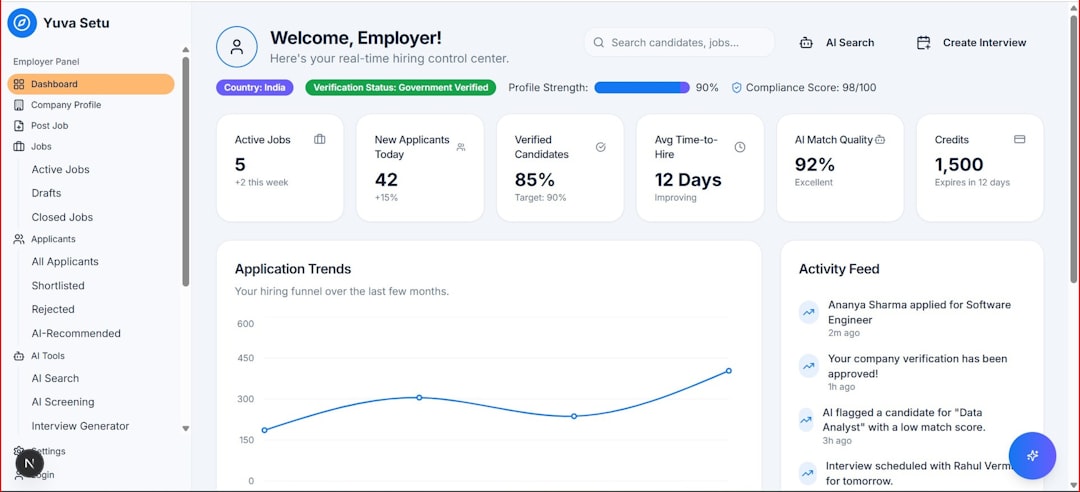
Instagram has evolved from a simple photo-sharing app into one of the most powerful marketing ecosystems in the digital economy. Brands that succeed on the platform do far more than post attractive images—they rely on specialized platforms to plan, analyze, optimize, and scale their efforts. Without the right infrastructure, even the most visually compelling campaigns can underperform. To build consistent growth and measurable returns, businesses must support their Instagram strategy with the right tools and systems.
TLDR: Instagram marketing works best when supported by dedicated platforms for scheduling, analytics, content creation, influencer management, and automation. These tools ensure consistency, data-driven decision-making, and scalable growth. Relying only on native app features limits performance. The right marketing platforms turn Instagram activity into measurable business results.
The Foundation: Social Media Management Platforms
Consistency is the backbone of Instagram growth. Posting irregularly or without strategy weakens engagement and algorithmic visibility. Social media management platforms provide structure, automation, and centralized control over publishing efforts.
These platforms typically offer:
- Content scheduling across multiple time zones
- Visual feed planning to maintain aesthetic coherence
- Cross-platform publishing for broader marketing alignment
- Team collaboration features including approval workflows
When teams operate across marketing, creative, and leadership departments, centralized dashboards prevent miscommunication and streamline approvals. Instead of relying on manual uploads and reminders, businesses can build comprehensive content calendars aligned with product launches, events, and promotions.
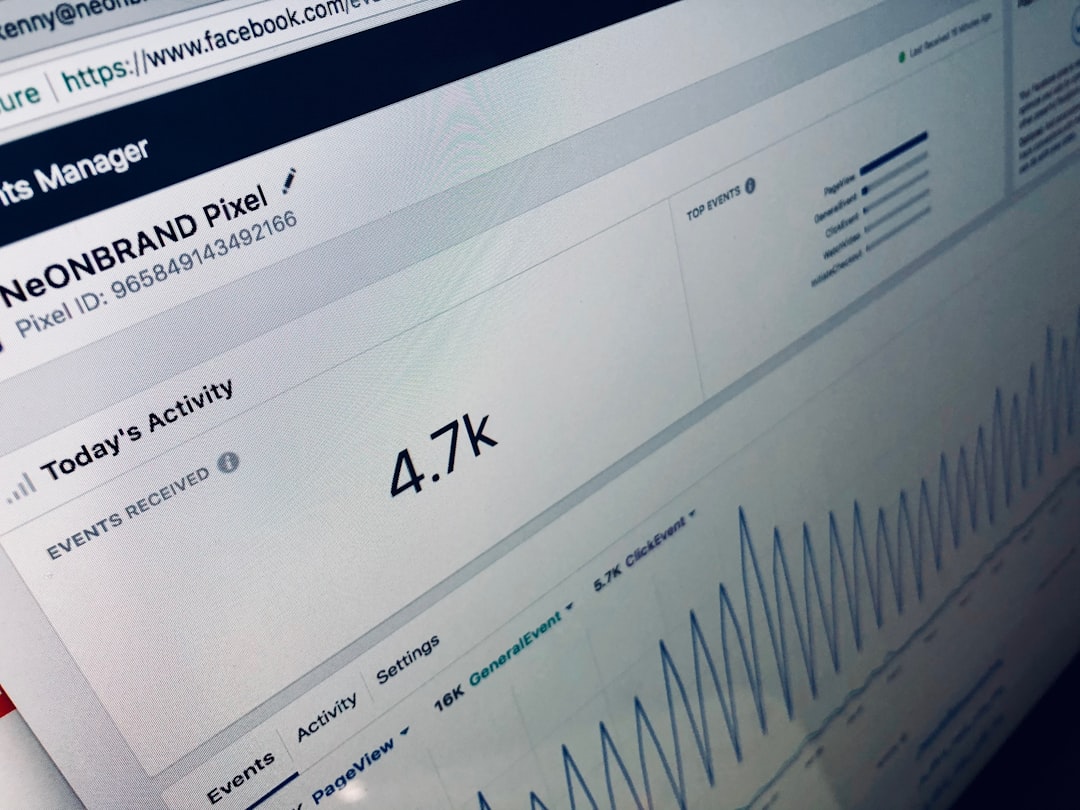
The most effective brands treat Instagram as part of a larger omnichannel strategy, integrating email, paid media, and website campaigns. Management platforms make this integration practical and measurable.
Data First: Instagram Analytics Platforms
Instagram provides built-in insights, but serious marketing requires deeper intelligence. Analytics platforms go far beyond basic metrics such as likes and follower count. They help businesses understand what actually drives revenue and engagement.
Why deeper analytics matter:
- Follower growth does not equal qualified audience expansion.
- Engagement rates vary across content formats.
- Posting time impacts algorithmic reach.
- Audience demographics influence content performance.
Advanced analytics platforms can track:
- Reach trends over time
- Story completion rates
- Reels performance patterns
- Click-through rates to websites
- Conversion attribution from Instagram traffic
This level of data enables informed decisions. Instead of guessing which content works, marketers can allocate resources toward proven formats. For example, if short-form video consistently outperforms static posts in engagement and saves, investment shifts toward scalable video production.
Trustworthy marketing depends on measurable outcomes. Analytics platforms transform Instagram from a creative experiment into a predictable channel.
Elevated Visuals: Content Creation Platforms
Instagram remains, at its core, a visual platform. High production value and cohesive branding are non-negotiable in competitive industries. Content creation platforms help businesses maintain visual excellence without operating a full in-house creative studio.

These tools often include:
- Template libraries for stories and posts
- Video editing capabilities optimized for vertical formats
- Branded asset storage including fonts and color palettes
- AI-assisted caption and hashtag generation
The strategic advantage lies in consistency. Professional templates ensure each post aligns with brand identity. Meanwhile, optimized video editors allow teams to repurpose longer content into short-form highlights suitable for Reels.
Instagram’s algorithm prioritizes engagement and watch time. Therefore, video editing precision—such as captions, pacing, and hooks within the first few seconds—can significantly influence performance metrics.
High-quality visuals are not optional; they are competitive infrastructure.
Influencer Collaboration Platforms
Influencer marketing remains one of Instagram’s most powerful growth mechanisms. However, manual outreach and spreadsheet tracking limit scalability. Dedicated influencer platforms offer structure and credibility to partnership campaigns.
With the right systems, brands can:
- Discover creators based on niche, audience size, and demographic fit
- Analyze authenticity to detect fake followers
- Track campaign performance through clear reporting metrics
- Manage payments and contracts efficiently
Not all followers are equal. Trustworthy platforms help evaluate engagement authenticity, brand alignment, and audience overlap. This minimizes wasted budget and reputational risk.
Partnership marketing becomes far more effective when it is data-driven rather than speculative. Influencer platforms allow businesses to treat creator relationships as strategic investments rather than informal collaborations.
Automation and Customer Relationship Tools
Direct messages, comments, and story replies are central to Instagram engagement. But high-growth accounts quickly reach a volume that manual responses cannot manage efficiently.
Automation platforms provide:
- Auto-replies triggered by keywords
- Lead capture workflows via direct messages
- Integration with CRM systems
- Audience segmentation for targeted follow-ups

These tools are particularly valuable for product-based businesses and service providers. When a user comments with interest in pricing or availability, automated sequences ensure rapid responses without sacrificing personalization.
Responsiveness influences perception. Fast, structured engagement increases trust and conversion likelihood.
Advertising Platforms for Scalable Growth
Organic reach fluctuations are inevitable. Advertising platforms integrated with Instagram ensure steady growth and revenue generation. Paid promotion allows brands to:
- Retarget website visitors
- Promote high-performing organic content
- Launch new products with precise targeting
- Test messaging variations systematically
The most successful marketers combine organic and paid insights. For instance, if a Reel performs exceptionally well organically, advertising platforms can amplify that momentum to reach new audiences.
Campaign dashboards allow A/B testing of:
- Ad creatives
- Headlines
- Calls to action
- Audience segments
This structured experimentation removes guesswork from scaling decisions.
Competitive Intelligence Platforms
No brand operates in isolation. Competitor analysis platforms reveal what others in your niche are doing—and which strategies succeed.
These systems can provide:
- Content performance comparisons
- Hashtag trend analysis
- Audience overlap insights
- Emerging format detection
Strategic advantage comes from early adaptation. If competitors experience strong engagement with behind-the-scenes content or long-form storytelling in captions, this intelligence informs your own creative experiments.
However, credible marketing balances inspiration with originality. Intelligence should guide strategic direction—not encourage imitation.
Integration Is the Real Advantage
While each platform category provides distinct benefits, the real power emerges when they function together. A structured workflow may look like this:
- Use analytics tools to identify high-performing formats.
- Create optimized content using design and video platforms.
- Schedule distribution through a management system.
- Amplify success with advertising tools.
- Capture leads and nurture them using automation systems.
This integrated approach transforms Instagram marketing from isolated posts into a performance-driven growth engine.
Choosing Platforms Strategically
Not every business requires every platform immediately. Strategic adoption depends on:
- Company size
- Budget constraints
- In-house skill sets
- Growth objectives
Small businesses may prioritize content creation and scheduling tools. Mid-sized brands often benefit most from analytics and advertising integration. Enterprise organizations require advanced reporting, CRM synchronization, and influencer management systems.
Before investing, leadership should define measurable objectives such as:
- Increase qualified traffic by 25%
- Improve engagement rates above industry benchmarks
- Generate a specific number of monthly leads through Instagram
Platforms should support these outcomes—not complicate them.
Conclusion
Instagram marketing is no longer a casual or experimental activity. It is a structured discipline that demands data, consistency, visual precision, and strategic execution. Native tools alone are insufficient for organizations seeking predictable growth and measurable returns.
The platforms discussed—management systems, analytics dashboards, content creation tools, influencer networks, automation software, advertising systems, and competitive intelligence resources—form the infrastructure of serious Instagram marketing. They reduce inefficiencies, enhance quality, and provide comprehensive visibility into performance metrics.
In an environment where competition intensifies daily, structured systems separate thriving brands from stagnant ones. Better Instagram marketing does not begin with posting more frequently. It begins with selecting the right platforms—and using them with purpose, discipline, and measurable intent.