 logo
logo
In today’s fast-paced manufacturing landscape, the cost of getting things wrong has never been higher. A single design flaw discovered after production can lead to wasted materials, delayed timelines, damaged reputation, and significant financial losses. This is where 3D visualisation has become a transformative force. By allowing teams to explore, test, and refine products in a digital environment before committing to physical production, businesses can dramatically reduce risk while improving efficiency and innovation.
TLDR: 3D visualisation enables manufacturers to identify and resolve design flaws before production begins. It reduces financial risk, accelerates development cycles, and improves communication across teams and stakeholders. By simulating real-world performance, materials, and assembly processes, companies can prevent costly errors and optimize their products with confidence. Ultimately, 3D visualisation turns uncertainty into informed decision-making.
The shift toward digital modelling is more than a technological upgrade—it’s a strategic decision. When manufacturers integrate 3D visualisation into their workflow, they move from reactive problem-solving to proactive risk prevention.
Understanding 3D Visualisation in Manufacturing
At its core, 3D visualisation involves creating highly detailed digital representations of products, components, or systems. Unlike traditional 2D drawings, these models offer a realistic, interactive, and measurable view of how a product will look and function.
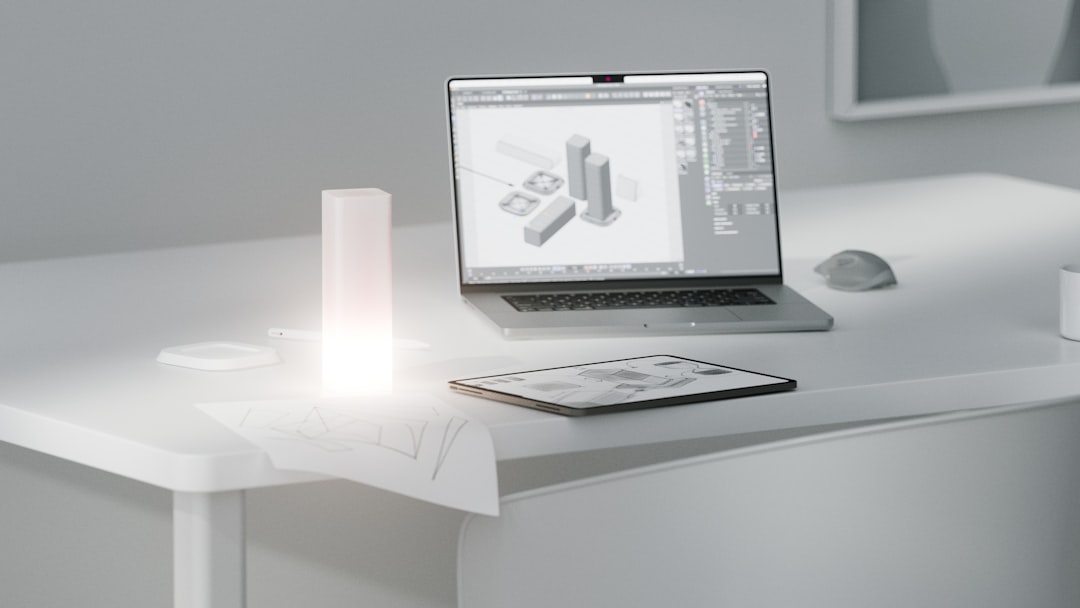
Modern visualisation tools allow businesses to:
- Render photorealistic imagery for design validation and marketing previews
- Simulate mechanical performance under various conditions
- Test material properties without physical samples
- Validate assembly sequences in virtual space
- Collaborate globally using shared digital models
By visualising a product before it’s physically manufactured, organisations can anticipate potential complications that may otherwise go unnoticed until it’s too late.
Identifying Design Flaws Early
One of the most significant risk-reduction benefits of 3D visualisation lies in its ability to detect design issues early. In traditional manufacturing workflows, many problems emerge only after prototyping—or worse, during production runs.
With digital models, engineers can:
- Detect interference between components
- Analyse structural weaknesses
- Evaluate ergonomics and user interaction
- Ensure precise dimensional accuracy
This early detection substantially lowers the risk of costly redesigns. According to industry studies, changes made during the production phase can cost up to ten times more than corrections made during initial design stages.
When stakeholders can rotate, zoom, and dissect a product digitally, they gain clarity that static blueprints simply cannot provide.
Reducing Financial Risk
Manufacturing errors are expensive. Tooling modifications, scrapped materials, halted assembly lines, and product recalls all add up. 3D visualisation acts as a financial safeguard by addressing uncertainties before capital-intensive processes begin.
Consider these cost-saving impacts:
- Lower prototyping expenses: Fewer physical prototypes are required when digital models are accurately tested.
- Minimized material waste: Precise measurements and simulations reduce production errors.
- Reduced downtime: Manufacturing workflows can be optimized digitally before implementation.
- Fewer post-production modifications: Eliminating rework protects both budgets and timelines.
By validating design decisions virtually, companies avoid committing to expensive molds, tooling, and materials prematurely. The financial cushion this provides can be especially crucial for startups or companies launching new product lines.
Improving Cross-Department Communication
Risk often arises not from technical flaws, but from miscommunication. Designers, engineers, manufacturing teams, marketing departments, and clients may interpret static drawings differently. This gap in understanding can result in mismatched expectations.
3D visualisation bridges this communication divide.
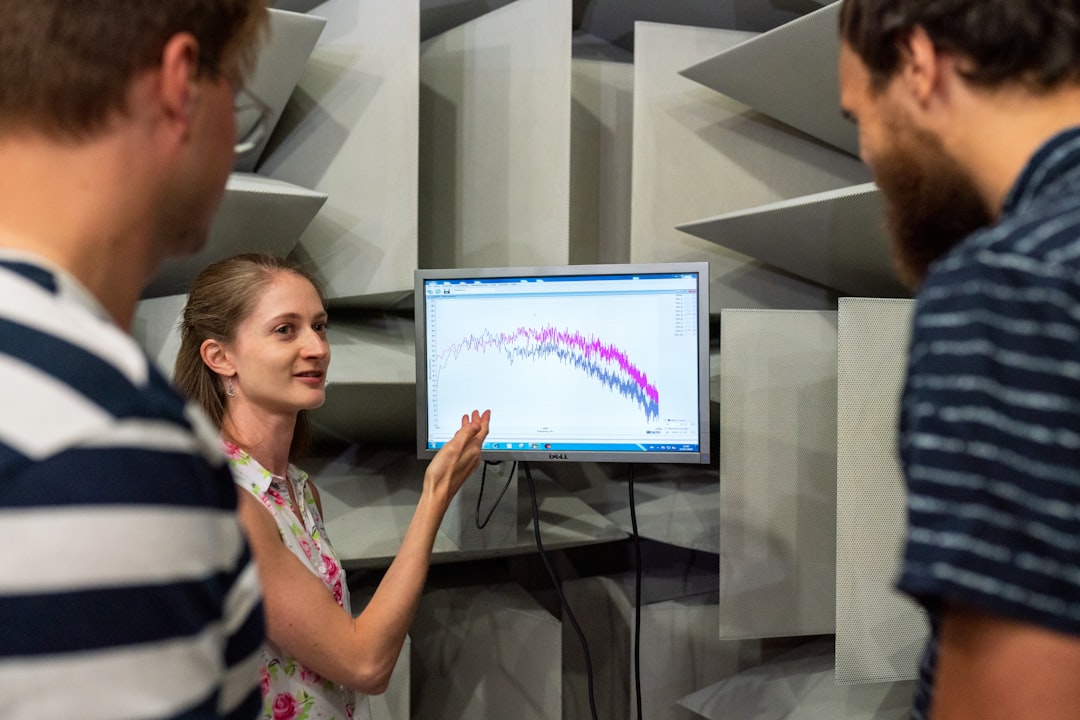
When everyone works from the same realistic digital model:
- Design intent becomes transparent
- Manufacturability concerns are quickly addressed
- Client approvals become faster and more accurate
- Marketing materials can be prepared before production
Instead of relying on imagination, all stakeholders see the same virtual product. This shared clarity reduces the risk of incorrect assumptions that can derail projects.
Enhancing Simulation and Testing
Perhaps the greatest advantage of 3D visualisation is its ability to simulate real-world conditions. Advanced modelling tools allow engineers to test products under stress, heat, vibration, load, and environmental exposure.
These simulations can reveal:
- Structural weaknesses under weight loads
- Thermal expansion problems
- Material fatigue over time
- Aerodynamic inefficiencies
- Fluid dynamics behavior
Instead of waiting for physical prototypes to fail, teams can predict failures digitally and make adjustments instantly. This kind of proactive testing is invaluable in high-risk industries such as aerospace, automotive, medical device manufacturing, and heavy machinery.
The ability to experiment in a virtual environment without physical consequences drastically reduces operational uncertainty.
Optimizing Manufacturing Processes
Risk in manufacturing doesn’t stop at product design. Production workflows themselves can introduce inefficiencies and hazards. 3D visualisation helps map out entire manufacturing processes before equipment is installed or assembly lines are configured.
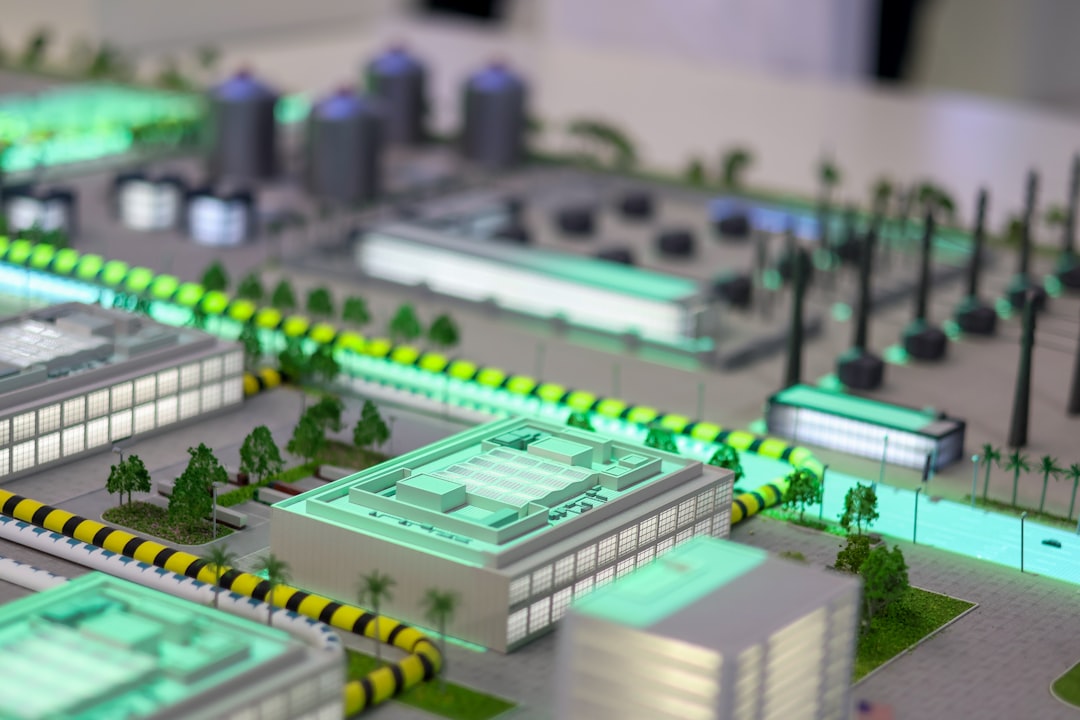
Through digital factory simulations, manufacturers can:
- Plan facility layouts for optimal space usage
- Identify workflow bottlenecks
- Improve worker safety by simulating movement paths
- Test automation integration virtually
This ensures that expensive machinery is placed correctly and that operations run smoothly from day one. Reconfiguring a production floor after installation is costly and disruptive. Virtual planning avoids those complications.
Supporting Better Decision-Making
Data-driven decisions outperform assumptions. 3D visualisation provides measurable insights, allowing decision-makers to compare variations of a design side by side.
For example, teams can evaluate:
- Different material options
- Alternative component geometries
- Multiple assembly configurations
- Cost implications of design changes
This flexibility empowers leaders to make informed trade-offs between performance, cost, aesthetics, and manufacturability. Rather than guessing which option is best, teams can evaluate accurate visual and performance data before proceeding.
Strengthening Client and Investor Confidence
Risk perception isn’t limited to internal operations. Clients and investors often hesitate when they cannot clearly see the final product. 3D visualisation builds trust by providing realistic previews long before production begins.
High-quality renderings and animations allow stakeholders to:
- Visualise final products in real-world environments
- Review details with precision
- Suggest modifications early
- Approve projects with greater confidence
This reduces the likelihood of late-stage changes initiated by clients who feel uncertain or misunderstood. When expectations align from the beginning, projects move forward more smoothly.
Enabling Sustainable Manufacturing Practices
Sustainability is increasingly linked to risk management. Wasteful production practices not only increase costs but also damage brand reputation and regulatory compliance.
3D visualisation contributes to sustainability by:
- Reducing physical prototyping waste
- Optimizing material use
- Testing environmentally friendly alternatives digitally
- Lowering transportation needs during early development phases
By minimising waste and unnecessary resource use, manufacturers can reduce environmental impact while simultaneously lowering financial exposure.
Shortening Time to Market
Delays represent another significant form of risk. Competitors may release similar products faster, or market demands may shift. 3D visualisation accelerates development by streamlining revisions, improving collaboration, and reducing prototyping cycles.
When teams can iterate quickly in a digital space, innovation thrives. The faster a product reaches the market—with fewer errors—the lower the competitive and financial risk.
The Strategic Advantage of Virtual Confidence
Manufacturing has always involved calculated risk. However, modern technology enables organizations to calculate far more accurately than ever before. 3D visualisation transforms uncertainty into visibility, speculation into validation, and guesswork into precision.
By integrating digital modelling, simulation, and collaborative visualization tools into the manufacturing process, companies can:
- Prevent costly design errors
- Improve communication across teams
- Optimize workflow and facility planning
- Enhance product quality and performance
- Protect budgets and timelines
As global competition intensifies and production costs rise, reducing risk before manufacturing is no longer optional—it is essential. 3D visualisation offers a powerful, practical solution that strengthens every stage of the product lifecycle.
In a world where mistakes are expensive and time is limited, seeing a product clearly before it exists physically may be the most valuable safeguard a manufacturer can have.
