 logo
logo
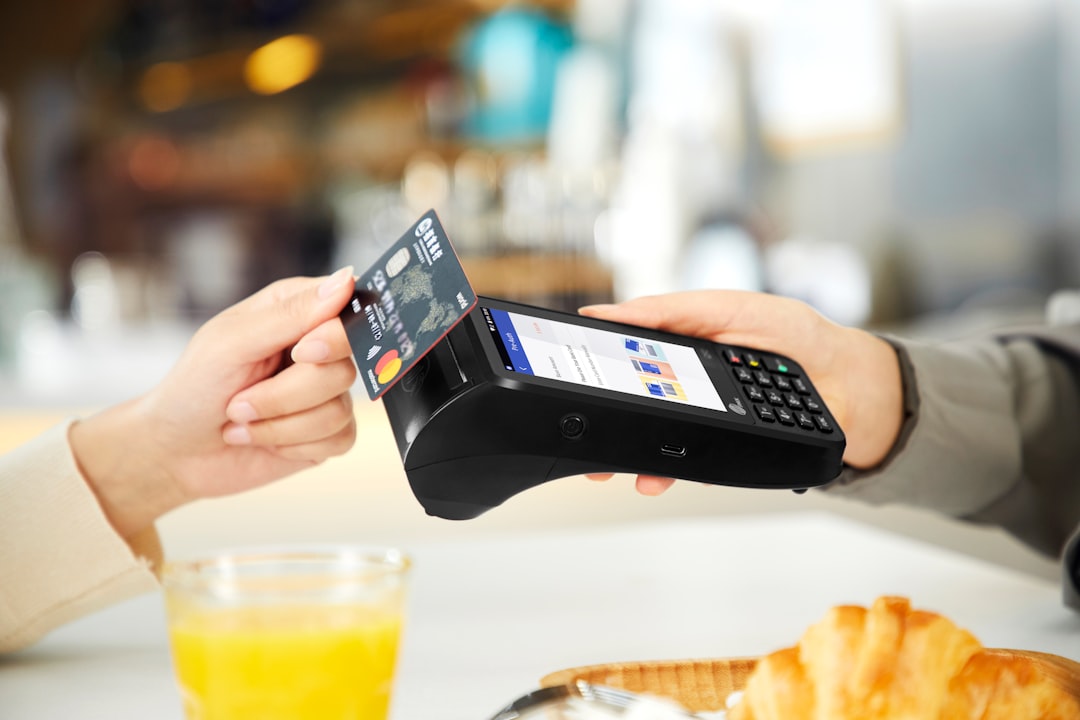
Accounts payable is one of those back-office functions that can quietly drain time, money, and patience. Invoices arrive from multiple channels, approvals get stuck in email threads, suppliers ask about payment status, and finance teams are left balancing speed, control, and fraud prevention. Paymode X, a business payments network and accounts payable automation platform from Bottomline, aims to simplify that process by digitizing invoice workflows, vendor payments, and supplier management in one connected environment.
TLDR: Paymode X is an accounts payable automation and B2B payments platform designed to help organizations reduce manual invoice processing, streamline approvals, and pay suppliers electronically. Its biggest strengths are its large payment network, supplier onboarding support, fraud controls, and potential to generate revenue through virtual card rebates. However, it is best suited for mid-sized and larger organizations with meaningful payment volume, and pricing or implementation details may vary depending on business needs.
What Is Paymode X?
Paymode X is a cloud-based platform that helps businesses automate key parts of the accounts payable cycle. Rather than relying on paper checks, spreadsheets, manual approvals, and disconnected banking tools, companies can use Paymode X to manage payments through a centralized digital system.
The platform is especially known for its B2B payment network, which connects businesses with a large base of suppliers already enrolled to receive electronic payments. This matters because supplier adoption is often one of the biggest roadblocks in AP automation. A company may want to move away from paper checks, but if suppliers are not ready or willing to accept ACH, virtual card, or other electronic payment methods, the transition becomes harder.
Paymode X attempts to solve this by combining technology with supplier enablement services. In practical terms, that means it does not simply give your finance team software; it also helps bring vendors into the electronic payment ecosystem.

How Paymode X Fits Into Accounts Payable Automation
Accounts payable automation involves replacing repetitive manual tasks with more efficient digital workflows. These tasks can include invoice capture, matching invoices to purchase orders, routing documents for approval, scheduling payments, detecting duplicate invoices, and reconciling transactions.
Paymode X primarily focuses on the payments side of AP automation, though it can also work alongside invoice automation and ERP systems. For many organizations, the greatest value comes from transforming the final stages of accounts payable: approving, securing, and sending supplier payments.
Instead of printing checks, collecting signatures, stuffing envelopes, and waiting for mail delivery, a company can use Paymode X to send payments electronically. This can reduce processing costs, improve payment visibility, and lower the risk of check fraud.
Core Features of Paymode X
Paymode X includes a range of features aimed at improving AP efficiency and payment security. While specific capabilities may depend on the configuration and services selected, the platform commonly supports the following:
- Electronic supplier payments: Businesses can pay vendors through methods such as ACH, virtual card, and other digital payment options.
- Supplier network access: Paymode X connects companies with a large network of suppliers that are already set up for electronic payments.
- Supplier onboarding: The platform supports outreach and enrollment to help convert suppliers from paper checks to electronic payments.
- Payment approval workflows: Finance teams can create structured approval processes to reduce bottlenecks and strengthen internal controls.
- Fraud prevention tools: Paymode X includes controls designed to reduce risks related to unauthorized payment changes, duplicate payments, and payment fraud.
- ERP integration: The system can integrate with accounting and enterprise resource planning platforms to help maintain accurate records.
- Payment visibility: Users can track payment status and gain better insight into payables activity.
- Virtual card rebates: Some organizations may generate revenue by paying eligible suppliers through virtual cards.
The Payment Network Advantage
One of the most important things to understand in a Paymode X review is that the platform is not just a piece of AP software. It is also a payments network. That distinction is meaningful.
If a company buys ordinary AP automation software, it may still need to persuade suppliers to accept electronic payments. That requires collecting banking information, verifying details, handling supplier questions, and maintaining payment preferences. This process can be slow, and it can expose companies to fraud if vendor data is not carefully validated.
Paymode X reduces this burden by giving businesses access to an existing network of enrolled suppliers. The more suppliers already active in the network, the faster an organization can shift payment volume away from checks. This can make implementation more practical, especially for companies with a large and diverse vendor base.
Why Businesses Replace Paper Checks
Paper checks may feel familiar, but they are expensive and risky. There are costs for check stock, printing, postage, labor, reconciliation, and exception handling. Checks can also be lost, stolen, altered, or delayed. For finance leaders, the hidden cost is often not the check itself but the process around it.
Electronic payments can bring several advantages:
- Lower processing costs: Digital payments usually require less manual effort than check runs.
- Faster delivery: Suppliers can receive funds more quickly and predictably.
- Better tracking: Payment status is easier to monitor in a digital system.
- Improved security: Stronger authentication and validation processes can reduce fraud exposure.
- Less administrative work: Teams spend less time answering “Where is my payment?” questions.
For organizations processing hundreds or thousands of supplier payments each month, these benefits can add up quickly.
Invoice and Payment Workflow Experience
The typical Paymode X workflow begins after invoices are approved for payment, though integrations may support broader AP processes. Payment data can be sent from the company’s ERP or accounting system into Paymode X. From there, the platform helps route payments through appropriate electronic channels based on supplier preferences, eligibility, and business rules.
For finance teams, this creates a more centralized experience. Instead of logging into separate bank portals, maintaining spreadsheets, and manually updating supplier records, users can manage payment execution from a dedicated platform.
The result is not just faster payments. It is also a cleaner audit trail. Approvals, payment timing, supplier details, and transaction status can be documented more consistently, which is useful for audits, compliance reviews, and month-end close.
Security and Fraud Prevention
Payment fraud is a major concern for accounts payable departments. Fraudsters often target vendor master files, payment instructions, email approvals, and check payments. A single successful attack can result in substantial financial loss.
Paymode X addresses this concern through controls that support supplier validation, payment authentication, and secure electronic processing. While no platform can eliminate risk entirely, a structured payment network can reduce the vulnerabilities associated with manual processes.
For example, when supplier banking changes are handled casually through email, organizations are exposed to business email compromise scams. A more controlled platform can introduce verification steps and reduce reliance on informal communication. This is especially valuable for companies with decentralized purchasing or high vendor volume.
Virtual Cards and Revenue Opportunities
One feature that often attracts finance leaders to Paymode X is the possibility of earning rebates through virtual card payments. A virtual card is a digital card number generated for a specific supplier payment. It can offer strong controls, such as transaction limits and restricted use, while also creating potential rebate revenue for the paying organization.
This turns accounts payable from a pure cost center into a possible source of financial return. However, the opportunity depends on supplier acceptance. Not every vendor will accept card payments, and some may prefer ACH due to card processing fees. Paymode X can help identify card-eligible suppliers and support enrollment, but actual rebate results will vary.
In other words, virtual card revenue can be a meaningful benefit, but it should be viewed as part of the overall business case rather than the only reason to adopt the platform.
ERP and Accounting System Integration
For AP automation to work well, it must connect with the systems a finance team already uses. Paymode X can integrate with ERP and accounting platforms, allowing payment files, supplier data, and remittance information to move between systems more efficiently.
This is important because duplicate data entry creates errors. If a team has to export files manually, upload them into bank portals, update spreadsheets, and then reconcile payments back in the ERP, automation loses much of its value. Integration helps maintain a single source of truth and supports cleaner reporting.
Companies considering Paymode X should ask detailed questions about integration requirements, including file formats, implementation timelines, available connectors, and internal IT resources needed. The smoother the integration, the faster the organization can realize benefits.
Pros of Paymode X
Paymode X has several strengths that make it appealing for organizations looking to modernize accounts payable:
- Large supplier network: Network access can accelerate electronic payment adoption.
- Reduced check dependency: Businesses can move away from costly and risky paper-based processes.
- Supplier enablement support: Onboarding assistance can reduce the workload for internal AP teams.
- Improved payment visibility: Teams can track payments more easily than with traditional check runs.
- Security controls: Fraud prevention and supplier validation features support safer payment operations.
- Potential rebates: Virtual card payments may create a new revenue stream.
- Scalability: The platform is well suited for organizations with growing or high-volume payables.
Potential Drawbacks to Consider
Like any financial technology platform, Paymode X is not ideal for every business. Smaller companies with low payment volume may not need a robust payment network or advanced automation tools. If a business only pays a handful of vendors each month, simpler bill payment software may be enough.
Another consideration is implementation complexity. Larger organizations often have customized ERP environments, approval hierarchies, supplier records, and compliance requirements. Implementing Paymode X may involve coordination among finance, IT, treasury, procurement, and vendor management teams.
Pricing may also require direct consultation. Because costs can depend on payment volume, selected services, integrations, and rebate arrangements, businesses should request a detailed proposal and compare the total cost against expected savings.
Who Is Paymode X Best For?
Paymode X is generally best suited for mid-sized companies, large enterprises, healthcare organizations, financial institutions, education groups, manufacturers, insurers, and other organizations with substantial supplier payment activity. It is particularly useful for businesses that still rely heavily on paper checks or have difficulty managing supplier payment data.
The platform may be a strong fit if your organization:
- Processes a high volume of supplier payments each month
- Wants to reduce check printing and mailing costs
- Needs stronger payment fraud controls
- Has a large vendor base that is difficult to manage manually
- Wants to improve payment visibility and auditability
- Is interested in virtual card rebate opportunities
- Uses an ERP system and wants a more streamlined payment process
Questions to Ask Before Choosing Paymode X
Before adopting Paymode X, finance leaders should evaluate both the technology and the operational impact. Useful questions include:
- How many of our current suppliers are already enrolled in the Paymode X network?
- What percentage of our check payments could realistically move to ACH or virtual card?
- What implementation support is included?
- How will Paymode X integrate with our ERP or accounting system?
- What fraud controls are available for supplier banking changes?
- What are the fees, rebate terms, and expected net savings?
- How will supplier questions and enrollment be handled?
These questions help turn the evaluation from a software comparison into a business case. The goal is not simply to automate for the sake of automation, but to improve efficiency, reduce risk, and create measurable financial value.
Final Verdict
Paymode X is a compelling option for organizations that want to modernize accounts payable with electronic payments, supplier network access, and stronger payment controls. Its biggest differentiator is the combination of AP payment technology and supplier enablement, which helps address one of the hardest parts of digital transformation: getting vendors to participate.
For companies with significant payment volume, the platform can reduce check costs, improve visibility, strengthen fraud prevention, and potentially generate virtual card rebates. That said, businesses should carefully review implementation needs, integration requirements, supplier adoption rates, and pricing before making a decision.
Overall, Paymode X is best viewed as a strategic payment automation platform rather than a simple bill pay tool. For the right organization, it can turn accounts payable into a faster, safer, and more efficient operation—one that spends less time chasing paperwork and more time supporting the financial health of the business.
