 logo
logo
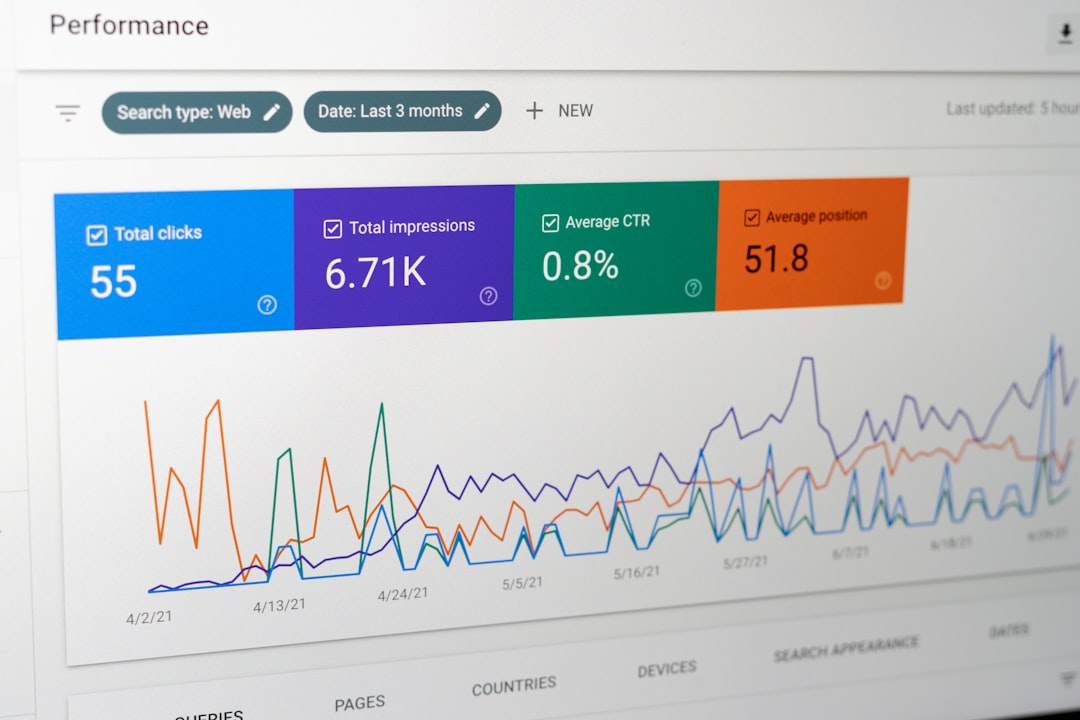
Understanding how search engine result pages (SERPs) have evolved over time is essential for serious SEO professionals, digital marketers, and competitive intelligence teams. Historical SERP data reveals how rankings shift, how algorithm updates reshape visibility, and how user intent changes across months or years. Without reliable access to this data, long-term strategy becomes guesswork instead of informed decision-making.
TL;DR: Historical SERP data helps you analyze ranking trends, measure algorithm impacts, and evaluate competitors over time. The best platforms combine deep data archives, accurate tracking, scalable reporting, and reliable export options. Leading tools include enterprise SEO suites, specialized SERP databases, and advanced rank-tracking solutions. Choosing the right one depends on depth of history, geographic coverage, SERP feature tracking, and data reliability.
Below is a detailed examination of the best platforms to access historical SERP data, along with guidance on what truly matters when selecting a provider.
Why Historical SERP Data Matters
Before evaluating platforms, it is important to understand why historical search data is invaluable:
- Algorithm Update Analysis: Correlate traffic and ranking drops with specific core updates.
- Competitive Benchmarking: Identify when competitors gained or lost ranking positions.
- Content Decay Detection: Spot gradual declines in visibility for evergreen pages.
- Market Trend Insights: Observe seasonal or industry-wide volatility over multi-year timelines.
- SERP Feature Tracking: Monitor the rise of featured snippets, local packs, AI overviews, and other enhancements.
Historical SERP analysis transforms SEO from reactive optimization into proactive strategy.
Key Criteria for Evaluating Historical SERP Platforms
Not all SERP data providers are equal. When comparing platforms, assess the following dimensions:
1. Depth of Historical Archive
Some tools offer ranking history going back several years. Others may only store 12–24 months of keyword data. Enterprise strategies often demand three to five years of archived SERP snapshots, especially in competitive industries like finance or healthcare.
2. SERP Feature Coverage
Modern SERPs include more than ten blue links. Evaluate whether the platform tracks:
- Featured snippets
- People also ask boxes
- Local packs
- Video results
- Shopping results
- AI-generated answers
Historical tracking of these elements is critical for accurate visibility analysis.
3. Geographic and Device Granularity
Look for segmentation by:
- Country and city-level data
- Mobile versus desktop rankings
- Language-specific SERPs
Reliable longitudinal insights require consistent data sampling across locations and devices.
4. Data Accuracy and Refresh Frequency
Historical data loses value if collection methodology changes or sampling is inconsistent. Top platforms maintain stable data collection methods, ensuring trends reflect actual market shifts rather than measurement bias.
5. Export and API Access
Advanced users require bulk export, dashboard integration, or API access to merge historical SERP data with analytics platforms or business intelligence tools.
Leading Platforms for Accessing Historical SERP Data
1. Comprehensive SEO Suites
Enterprise-grade SEO platforms are often the most robust sources of historical SERP data. These tools typically offer:
- Multi-year ranking archives
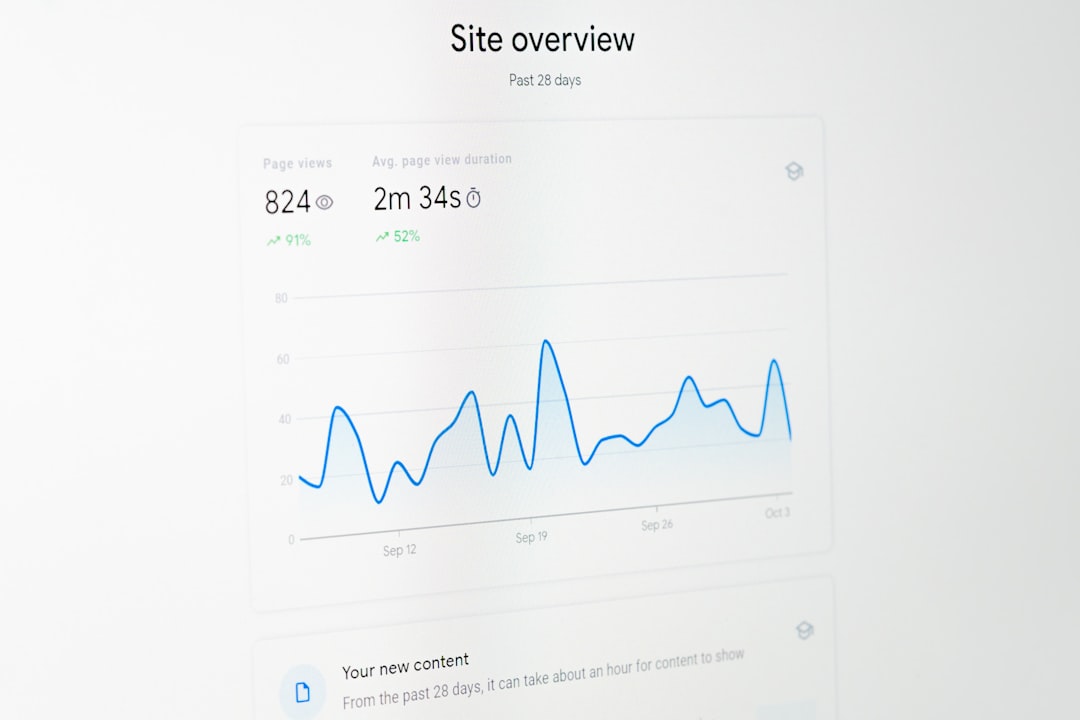
- Keyword position history graphs
- Competitor domain comparisons
- SERP feature tracking history
- Backlink and content correlation overlays
The main advantage of comprehensive suites is integration. Ranking data can be analyzed alongside crawl diagnostics, backlink velocity, and on-page metrics. This unified ecosystem provides context for understanding ranking volatility.
Best suited for: Agencies, enterprise brands, and in-house SEO teams managing thousands of keywords.
Limitations: Subscription costs can be substantial, and granular keyword data may require higher-tier plans.
2. Dedicated Rank Tracking Platforms
Specialized rank-tracking tools focus specifically on keyword position monitoring. Many offer strong historical data retention, allowing weekly or even daily snapshots over extended periods.
Key advantages include:
- Precise keyword-level tracking
- Customizable tracking intervals
- Tag-based segmentation
- White-label reporting
These platforms tend to prioritize ranking accuracy over auxiliary features. For businesses that require long-term keyword monitoring rather than broad SEO diagnostics, they provide excellent value.

Best suited for: Performance-driven campaigns focused on ranking improvements for defined keyword sets.
Limitations: Less insight into market-wide SERP fluctuations beyond tracked keywords.
3. SERP Intelligence Databases
Some platforms capture and store entire SERP snapshots across millions of keywords, creating searchable databases of historical results. These tools enable users to:
- Analyze how top 10 results evolved over time
- Investigate specific domains across broad keyword portfolios
- Identify past featured snippet ownership
- Research historical competitor penetration into new verticals
This approach is particularly valuable for competitive research. Rather than tracking predefined keywords, analysts can explore how entire niches have shifted structurally.
Best suited for: Competitive intelligence teams, investors conducting due diligence, and advanced SEO strategists.
Limitations: Large datasets may be sampled rather than exhaustive, and granular rank precision may vary.
4. Enterprise Data Providers and APIs
Some organizations require raw SERP data at scale. Enterprise providers offer API-based access to historical ranking datasets, allowing integration into proprietary dashboards or machine learning systems.
Notable capabilities often include:
- Bulk keyword historical pull
- Customizable data pipelines
- Daily SERP snapshots
- Geo-specific scraping infrastructure
Such solutions are typically used for:
- Large affiliate networks
- Financial analytics firms
- SEO SaaS development
- Academic research
This tier of access demands technical resources but provides unmatched flexibility and analytical depth.
How to Choose the Right Platform
Choosing the right historical SERP data platform depends primarily on your operational scope and analytical objectives.
Small and Medium Businesses
If you manage fewer than 500 keywords, prioritize:
- Reliable rank tracking history
- Clear visual trend graphs
- Affordable subscription tiers
In most cases, a dedicated rank tracking solution will suffice.
Growing Agencies
Agencies handling multiple clients require:
- Multi-project historical comparisons
- White-labeled reporting
- Deep competitor visibility charts
Integrated SEO suites are usually most effective at this scale.
Enterprise Brands
Large organizations operating across countries should look for:
- Multi-year archives across markets
- Device segmentation history
- API and export flexibility
- SERP feature evolution tracking
In many cases, combining a full-suite platform with API-based SERP database access offers maximum strategic value.
Common Pitfalls to Avoid
When evaluating historical SERP data platforms, avoid these mistakes:
- Relying on limited sample history: Some tools advertise historical analysis but store minimal back data.
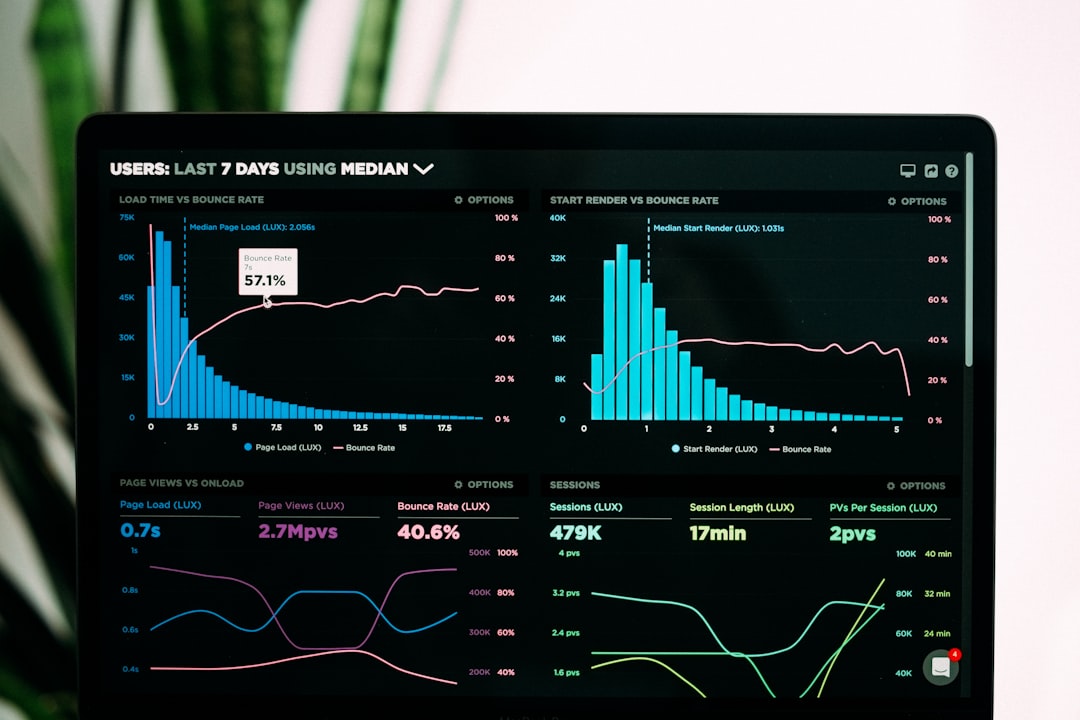
- Ignoring SERP composition changes: Ranking position alone does not reflect true visibility.
- Overlooking localization factors: National rankings differ significantly from city-level data.
- Failing to verify data continuity: Changes in tracking methodology distort trend analysis.
Careful due diligence and trial comparisons reduce the risk of strategic miscalculations.
The Future of Historical SERP Analysis
The influence of AI-generated results, conversational search interfaces, and enhanced SERP elements is transforming how visibility is measured. Historical SERP platforms must evolve to capture:
- Generative answer placements
- Zero-click search visibility
- Entity-based search trends
- Voice and multimodal search evolution
Platforms that adapt rapidly to these structural shifts will remain viable long-term data partners. Those that rely solely on traditional ranking positions risk obsolescence.
Conclusion
Access to reliable historical SERP data is no longer optional for serious SEO operations. It underpins algorithm recovery analysis, competitor intelligence, and long-term strategic planning. The best platforms provide multi-year archives, robust SERP feature tracking, geographic granularity, and export flexibility.
Selecting the right solution requires clarity about your scale, budget, and technical needs. Whether you choose a comprehensive SEO suite, a specialized rank tracker, or an enterprise SERP database, ensure that consistency, accuracy, and depth of history are prioritized above superficial features.
In a search landscape shaped by constant algorithm change and evolving result formats, historical SERP data remains one of the most powerful assets available to digital strategists.