 logo
logo
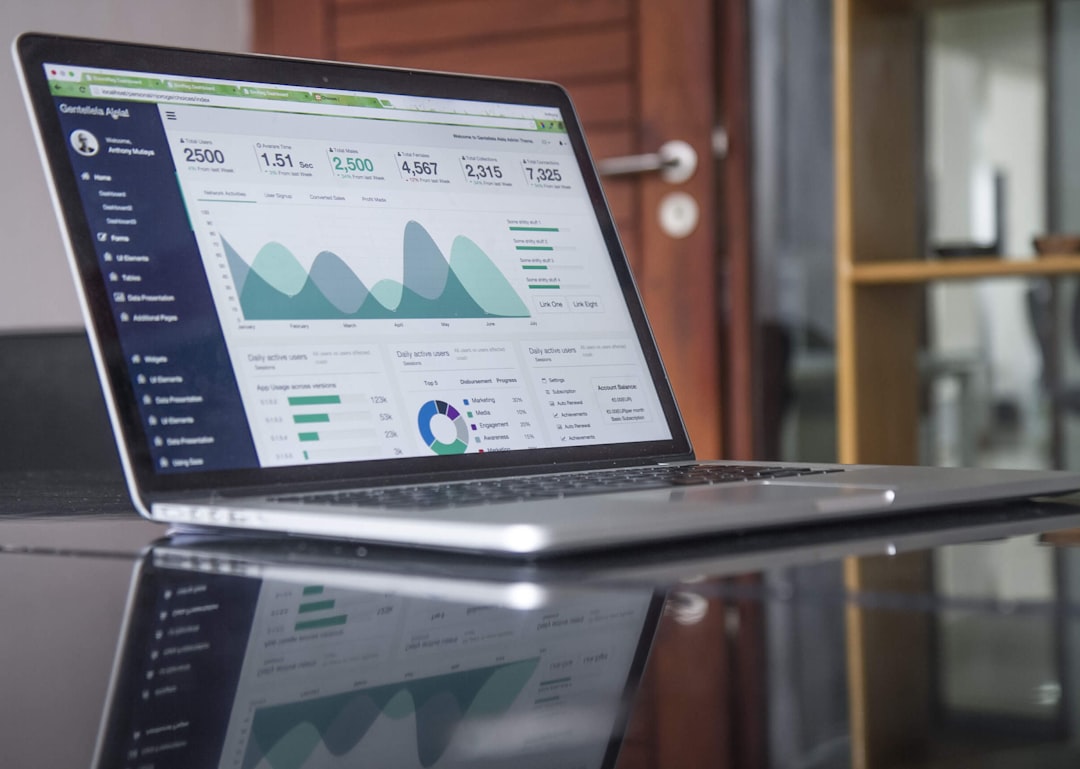
The safest way to track Bing rankings is to match the tool to the decision you need to make: use a Bing rank tracker for SEO reporting, use broader position monitoring for business visibility, and use a SERP API when you need raw search results at scale.
TLDR: Bing rank trackers are best for scheduled keyword checks, competitor comparisons, and client reports. SEO position monitoring is broader, since it connects rankings with traffic, landing pages, conversions, and search visibility across channels. SERP APIs are a better fit when you need custom data pipelines; for example, an agency tracking 25,000 Bing keywords weekly may cut manual reporting time by 70% by feeding API results into its own dashboard.
Bing Rank Tracking Is Not Just “Google Tracking, But Smaller”
Bing has its own search behavior, user base, and result layouts. Rankings can differ sharply from Google, even for the same keyword. A page in position 3 on Google may sit at position 11 on Bing. That gap matters if your audience uses Microsoft Edge, Windows search, Copilot, or enterprise devices where Bing is often the default.
Bing rank tracking means checking where a page appears in Bing search results for a chosen keyword, location, language, device type, and date. The goal is simple: measure whether SEO work is gaining, holding, or losing visibility.
The catch is that Bing results are not static. They can change by location, personalization, device, safe search settings, and result type. A clean tracking setup must control these variables. Otherwise, reports become noisy and hard to trust.

Bing Rank Trackers: Best for Regular Reporting
A dedicated Bing rank tracker is usually the most practical choice for marketers, consultants, and SEO teams. These tools monitor selected keywords and show position changes over time. Most also include tags, competitor tracking, local tracking, ranking history, and scheduled reports.
Good Bing rank trackers answer questions such as:
- Which keywords improved this week?
- Which URLs lost visibility?
- Are competitors gaining positions?
- Do rankings differ between desktop and mobile?
- Is a local landing page ranking in the right city?
The biggest benefit is speed. You can add keywords, select Bing as the search engine, set a location, and receive recurring data without building any infrastructure. That is useful for client reporting and internal SEO reviews.
Still, there are limits. Some trackers treat Bing as an extra feature rather than a core data source. It drives me crazy when a tool offers deep Google data, then gives Bing only basic daily positions with weak filtering. Before paying, check whether the platform supports Bing desktop, Bing mobile, local settings, and full ranking history.
SEO Position Monitoring: Broader Than Rank Tracking
SEO position monitoring is a wider practice. It includes rank tracking, but it also connects positions to business outcomes. That means clicks, impressions, landing page performance, search intent, revenue, and content quality.
This method is stronger when rankings alone do not explain performance. For example, a keyword may move from position 8 to position 4, yet clicks may barely change if the SERP contains ads, shopping boxes, answer panels, or Microsoft Copilot style summaries. A simple rank report may call that a win. A position monitoring workflow asks whether it produced traffic or leads.
Serious SEO teams should monitor:
- Average position: useful, but not enough by itself.
- Click through rate: shows whether snippets attract users.
- Impressions: measures real search exposure.
- Landing page conversions: ties SEO to revenue or enquiries.
- SERP features: explains why position changes may not affect traffic.
For Bing, Microsoft Bing Webmaster Tools is a key source. It shows search performance, indexed pages, crawl issues, backlinks, and keyword data. It should not replace a rank tracker, but it helps confirm whether ranking changes reflect real user activity.
SERP API Alternatives: Best for Custom Data and Scale
A SERP API returns search engine results in a structured format, usually JSON. Instead of looking at a dashboard, your system requests a Bing results page for a keyword and receives parsed data: organic results, paid results, URLs, titles, snippets, positions, and sometimes rich features.
This is a strong option for software teams, large agencies, ecommerce platforms, and data-heavy SEO operations. It gives more control than a standard rank tracker. You can choose when checks run, how data is stored, how reports look, and how rankings connect to internal systems.

SERP APIs are useful when you need to:
- Track tens of thousands of keywords across many locations.
- Build a custom ranking dashboard.
- Monitor competitor pages at scale.
- Store historical SERP data in your own database.
- Run automated alerts for ranking drops.
Expect to waste time on setup if your team is not technical. APIs need authentication, request handling, rate limit management, storage, retry logic, and billing controls. A missed setting can turn into extra costs or incomplete data. For many small teams, a normal tracker is cheaper and safer.
Bing Rank Trackers vs Position Monitoring vs SERP APIs
| Option | Best For | Main Strength | Main Weakness |
|---|---|---|---|
| Bing rank tracker | SEO teams, agencies, client reporting | Easy scheduled ranking reports | Limited custom data control |
| SEO position monitoring | Growth teams and managers | Connects rankings to traffic and outcomes | Needs several data sources |
| SERP API | Developers and large-scale SEO operations | High control and automation | Requires technical setup |
What to Check Before Choosing a Tool
Do not buy a Bing tracking tool based only on the keyword allowance. Volume matters, but data quality matters more. A tool that checks 50,000 keywords badly is worse than one that checks 5,000 accurately.
Review these points before committing:
- Bing support depth: confirm that Bing is fully supported, not just mentioned.
- Location accuracy: city-level tracking is vital for local SEO.
- Device separation: desktop and mobile rankings should be tracked separately.
- Update frequency: daily checks may be needed for active campaigns.
- Competitor tracking: useful for spotting market shifts.
- Historical data: rankings without history have weak diagnostic value.
- Export options: CSV, Looker Studio, API, or warehouse support can save hours.
- Pricing rules: check whether location, device, and competitor checks consume extra credits.
How to Build a Reliable Bing Monitoring Setup
Start with a focused keyword set. Include branded terms, money keywords, local terms, and informational queries. Do not track every variation at first. A bloated keyword list creates noise and higher costs.
Next, group keywords by intent. Separate commercial, informational, navigational, and local searches. This makes reports clearer. If commercial terms fall while informational terms rise, the business impact may still be negative.
Track the right URL for each keyword. If Bing starts ranking the wrong page, that can signal cannibalization or weak internal linking. This is where simple rank averages can hide trouble.
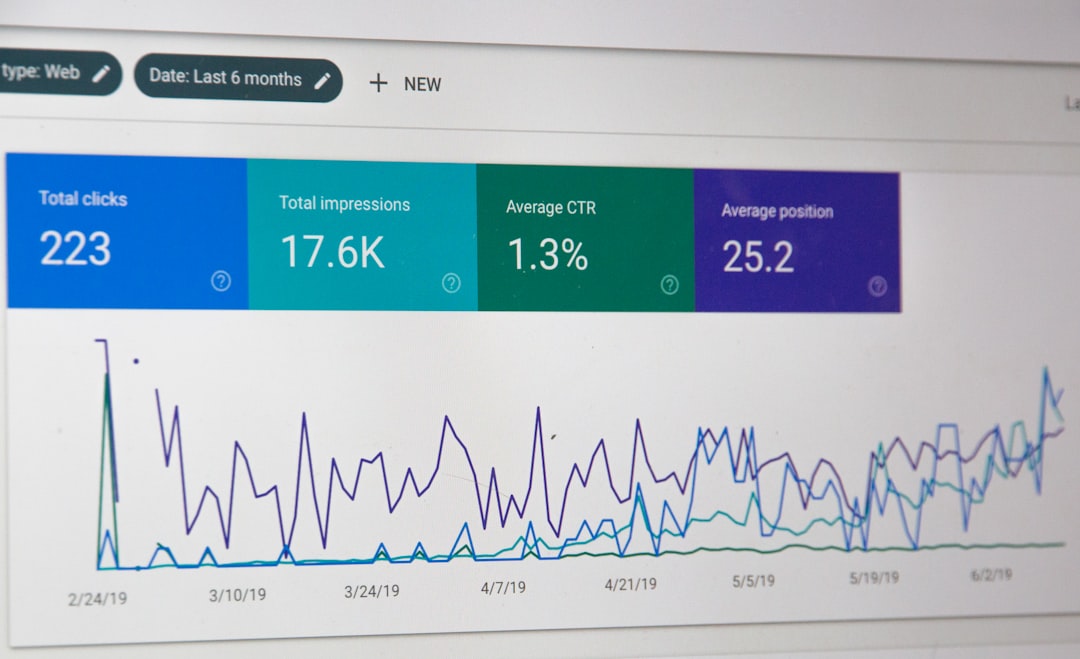
Compare rankings with Bing Webmaster Tools data. If rankings rise but impressions fall, demand may have changed. If impressions rise but clicks fall, review titles and meta descriptions. If clicks rise but conversions do not, the issue may sit on the landing page.
Which Option Should You Use?
Use a Bing rank tracker if you need reliable weekly or daily reporting with minimal setup. This is the best default for most SEO teams.
Use SEO position monitoring if rankings must be tied to leads, sales, pipeline, or content performance. This is the better model for management reporting.
Use a SERP API if your operation has scale, technical resources, and custom reporting needs. It is powerful, but it is not the simplest path.
The best setup often combines all three. A rank tracker handles recurring visibility checks. Bing Webmaster Tools confirms real search performance. A SERP API supports special projects, large keyword sets, or custom dashboards. Keep the system boring, consistent, and auditable. That is how Bing ranking data becomes useful instead of just another report nobody trusts.