


In today’s competitive hospitality market, simply having a website is no longer enough for hotels that want to maintain high occupancy rates. Online travelers expect seamless booking experiences, mobile-friendly design, instant confirmations, and secure payments. WordPress, one of the most popular website platforms in the world, offers a powerful ecosystem of plugins that can transform a standard hotel website into a high-converting booking engine. By choosing the right combination of tools, hotel owners and managers can streamline reservations, automate processes, and significantly boost direct bookings.
TLDR: Hotels can increase direct bookings and reduce reliance on third-party platforms by using the right WordPress plugins. Booking engine, SEO, speed optimization, security, and marketing automation plugins all play a crucial role. When properly configured, these tools enhance user experience, improve visibility, and simplify reservation management. The result is a smoother guest journey and higher occupancy rates.
Why WordPress Is Ideal for Hotels
WordPress powers over 40% of websites globally, and for good reason. It is flexible, scalable, and highly customizable. For hotels, this means that a website can evolve from a simple brochure page into a fully functional reservation powerhouse.
Some of the key advantages include:
- Ease of use: Hotel staff can update content without technical expertise.
- Extensibility: Thousands of plugins allow custom functionality.
- Cost-effectiveness: Lower development costs compared to custom-built systems.
- Integration capabilities: Seamless connection with CRM systems, payment gateways, and email marketing tools.
However, the real advantage lies in carefully selecting plugins that support bookings, marketing, and operational efficiency.
1. Booking Engine Plugins: The Core of Direct Reservations
A high-performing booking engine is the foundation of a hotel website. Without it, potential guests may turn to online travel agencies (OTAs), where commission fees cut into profits.
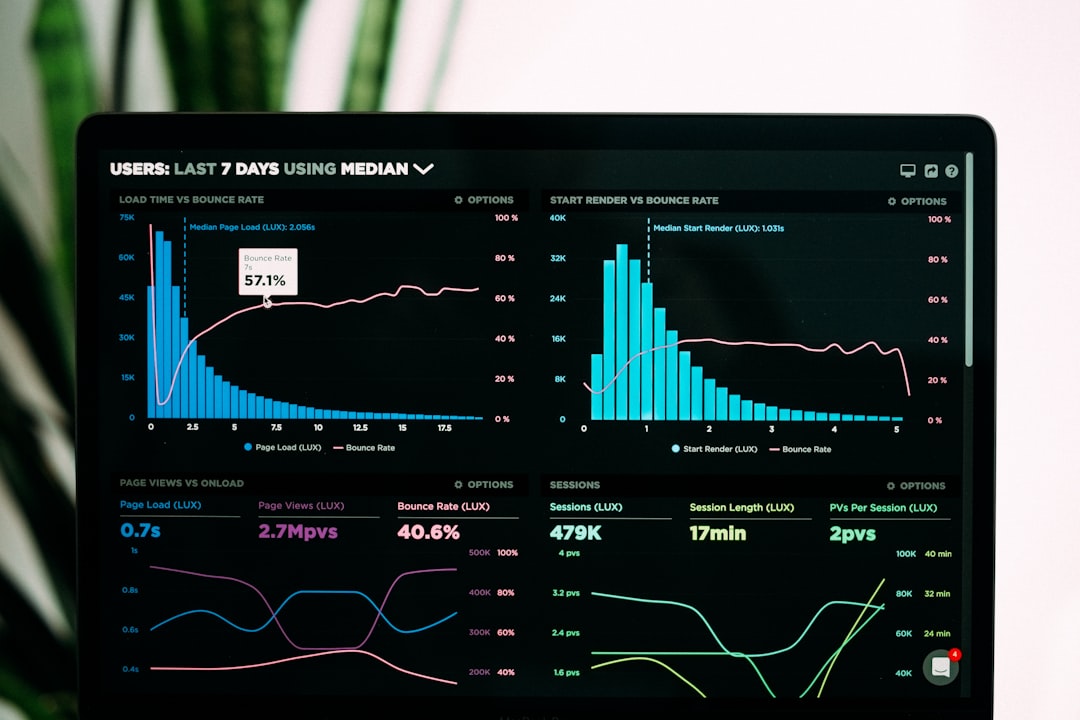
Top booking plugins provide features such as:
- Real-time availability calendars
- Dynamic pricing options
- Multiple room types and rate plans
- Instant confirmation emails
- Secure online payments
Plugins like WP Hotel Booking, Motopress Hotel Booking, and WooCommerce Bookings allow hotels to accept reservations directly through their websites. By reducing friction in the booking process, these tools significantly increase conversion rates.
Additionally, many advanced booking plugins sync with OTAs like Booking.com or Expedia. This synchronization prevents double bookings and enables centralized availability management.
2. SEO Plugins: Increase Visibility and Organic Traffic
Even the best booking system cannot generate reservations if travelers cannot find the hotel online. Search engine optimization (SEO) plugins help improve visibility in Google search results.
Popular tools such as Yoast SEO or Rank Math enable hotels to:
- Optimize page titles and meta descriptions
- Create XML sitemaps
- Enhance local SEO strategies
- Improve keyword targeting
For hotels, local SEO is particularly critical. Travelers often search using queries like “boutique hotel in downtown Chicago” or “beachfront resort in Miami.” By optimizing for location-based keywords and implementing schema markup for hotels, properties can appear in rich search results and Google Maps listings.
Better visibility means more organic traffic, and more traffic leads to increased direct bookings.
3. Speed Optimization Plugins: Faster Sites Convert Better
Website loading speed directly impacts user experience. Studies show that if a website takes more than three seconds to load, many users abandon it. For hotels, every second counts.

Speed optimization plugins such as WP Rocket, W3 Total Cache, or LiteSpeed Cache help by:
- Caching web pages
- Minifying CSS and JavaScript
- Compressing images
- Enabling lazy loading
Since travelers often browse on mobile devices, optimizing for mobile performance is essential. A fast, responsive website not only improves rankings in search engines but also enhances the booking experience.
4. Payment Gateway Plugins: Secure and Seamless Transactions
Trust plays a critical role in online bookings. Guests must feel confident that their payment details are secure. WordPress integrates with numerous payment gateway plugins that ensure secure and smooth transactions.
Hotels should look for plugins that support:
- Credit and debit card processing
- Digital wallets such as Apple Pay or Google Pay
- Multiple currencies for international guests
- Fraud detection tools
WooCommerce Payments, Stripe integrations, and PayPal plugins are widely trusted options. Secure checkout not only protects guests but also reduces abandoned bookings.
5. Marketing Automation Plugins: Turn Visitors into Guests
Many potential guests visit a hotel’s website but do not complete their reservation on the first visit. Marketing automation plugins can help bring them back.

Email marketing tools like Mailchimp for WordPress or FluentCRM allow hotels to:
- Capture email addresses through pop-ups or forms
- Send promotional offers
- Automate abandoned booking reminders
- Share seasonal deals and loyalty rewards
For example, if a visitor checks room availability but does not finalize the booking, an automated follow-up email offering a small discount can significantly increase conversion rates.
6. Review and Social Proof Plugins
Modern travelers rely heavily on reviews before making a decision. Integrating social proof directly into the hotel website builds trust and credibility.
Plugins can display:
- Google Reviews
- TripAdvisor ratings
- Customer testimonials
- Star rating summaries
Showcasing positive feedback directly on the homepage or booking page reassures visitors that they are making the right choice.
7. Security Plugins: Protecting Data and Reputation
Hotels handle sensitive guest information, making website security a top priority. Security breaches can damage reputation and result in financial loss.
Essential security plugin features include:
- Firewall protection
- Malware scanning
- Login attempt limits
- SSL enforcement
Plugins such as Wordfence or Sucuri provide robust protection against cyber threats. A secure website builds trust and ensures uninterrupted booking functionality.
8. Analytics Plugins: Data-Driven Decision Making
Understanding visitor behavior is key to optimizing conversions. Analytics plugins connect WordPress websites with tracking tools such as Google Analytics.
Hotels can analyze:
- Traffic sources
- Booking funnel drop-offs
- High-performing pages
- Mobile vs. desktop behavior
By identifying bottlenecks in the booking process, hotels can make targeted improvements that directly increase revenue.
Best Practices for Plugin Selection
While plugins offer powerful enhancements, overloading a website with too many can reduce performance. Hotels should follow these best practices:
- Choose plugins with high ratings and frequent updates.
- Ensure compatibility with the WordPress theme.
- Test new plugins in a staging environment first.
- Regularly update all plugins to maintain security and functionality.
A thoughtful approach ensures smooth performance and long-term scalability.
Conclusion
WordPress provides hotels with a flexible platform capable of driving significant booking growth. By leveraging specialized plugins for reservations, SEO, speed, security, marketing, and analytics, hotels can create a website that not only attracts visitors but also converts them into paying guests.
Reducing reliance on third-party booking platforms improves profit margins and strengthens brand loyalty. With the right combination of tools, a hotel website can become the most powerful sales channel in its marketing strategy.
Frequently Asked Questions (FAQ)
- Which WordPress plugin is best for hotel bookings?
The best plugin depends on the hotel’s size and needs. Motopress Hotel Booking and WP Hotel Booking are popular choices for small to mid-sized hotels, while WooCommerce Bookings offers greater customization for larger properties. - Can WordPress handle multiple room types and seasonal pricing?
Yes, most advanced hotel booking plugins allow multiple room categories, dynamic pricing, and seasonal rate adjustments. - How can hotels reduce OTA commissions?
By implementing a strong direct booking system on their WordPress website and investing in SEO and marketing automation, hotels can attract guests directly and reduce dependency on OTAs. - Are WordPress hotel booking plugins secure?
Yes, when combined with reputable payment gateways and security plugins, WordPress booking systems can be highly secure and compliant with industry standards. - Do hotel websites need speed optimization plugins?
Absolutely. Faster websites improve user experience, reduce bounce rates, and increase booking conversions, especially for mobile users. - How often should plugins be updated?
Plugins should be updated regularly whenever new versions are released to ensure security, compatibility, and optimal performance.
