 logo
logo
In law enforcement, every public interaction carries weight. A business card may be small, but for police officers, detectives, community liaison staff, command personnel, and department administrators, it can serve as a formal point of contact, a record of accountability, and a tool for building public trust. Modern police business card templates should therefore balance professionalism, clarity, security, and accessibility while reflecting the authority and values of the department.
TLDR: Police business cards should be clear, credible, and easy to use, with modern templates that support both officer identity and departmental trust. The best designs include essential contact details, a restrained visual style, readable typography, and appropriate official branding. Departments should standardize templates, protect sensitive information, and choose durable materials suitable for field use. A well-designed card can support community relations, investigations, recruitment, and administrative communication.
Why Police Business Cards Still Matter
Despite the growth of digital communication, printed business cards remain practical in policing. Officers often meet residents, victims, witnesses, business owners, school administrators, social service providers, and local officials in environments where exchanging contact information quickly and respectfully is essential. A card provides a tangible reminder of the officer’s name, role, and department, helping the recipient know whom to contact and why.
For the public, a professionally designed card can reduce uncertainty. It gives people a clear way to follow up after filing a report, providing a statement, requesting information, or participating in a neighborhood outreach program. For officers, it supports transparency and can reinforce that communication with law enforcement is formal, traceable, and department-approved.
A police business card is not simply a networking item. It is often part of community engagement, investigative follow-up, public safety education, and administrative coordination. That makes its design especially important.
Core Elements of a Professional Police Business Card
A modern police business card should include only the information necessary to establish identity and enable appropriate contact. Overcrowded designs can appear unprofessional and may make important details difficult to find.
- Officer or staff name: Use the full professional name as recognized by the department.
- Rank or title: Include role-specific information such as Officer, Sergeant, Detective, Community Liaison, Chief, or Records Supervisor.
- Department name: The agency name should be prominent and consistent with official branding.
- Badge or identification number: Include only if department policy permits or requires it.
- Phone number: Use an official line, desk number, division number, or non-emergency contact.
- Email address: Use a government or department-issued email address.
- Office address: Include headquarters, precinct, station, or division address when appropriate.
- Website or QR code: Direct people to official resources, reporting portals, victim services, or department updates.
Departments should avoid printing personal phone numbers, private email addresses, or sensitive operational details unless there is a specific and approved reason. The card should help the public reach the department without compromising officer safety or agency procedures.
Modern Template Styles for Officers and Departments
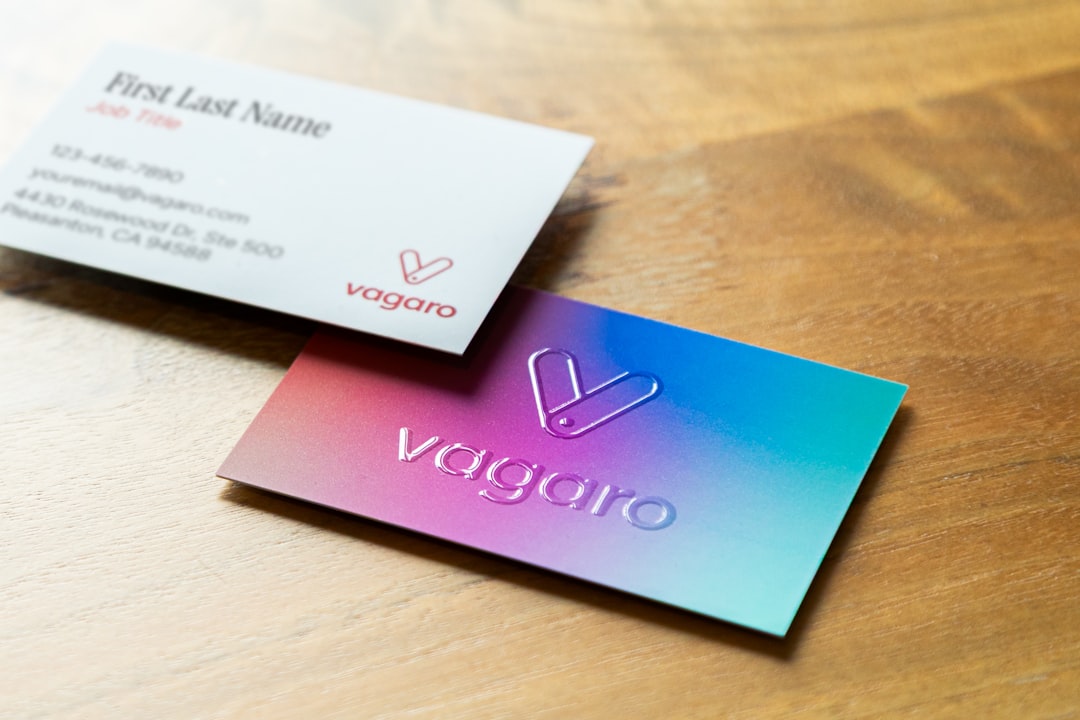
Today’s police business card templates are generally more refined than older designs. Instead of heavy graphics, outdated metallic effects, or cluttered layouts, modern cards rely on clean spacing, strong typography, and disciplined use of official symbols. The result is a card that feels current without appearing casual.
Minimal official templates are among the most effective options. These designs use a white, navy, charcoal, or black background with the department seal, officer name, and contact information arranged clearly. They are suitable for patrol officers, command staff, and administrative employees because they emphasize seriousness and readability.
Community policing templates may use a slightly warmer tone while remaining professional. These cards can include a tagline such as Serving with Integrity, Community Safety First, or Here to Help, if approved by the department. They are useful for school resource officers, neighborhood officers, outreach teams, and public information staff.
Investigator and detective templates often benefit from a more understated approach. A simple department crest, direct office line, email, and case follow-up instructions may be more appropriate than decorative design. The tone should be confidential, reliable, and precise.
Department-wide templates are ideal for consistency. These allow every unit to use a shared design framework while adjusting the name, rank, division, and contact information. Consistency helps the public recognize legitimate communication and prevents a patchwork of unrelated designs across the agency.
Design Principles That Build Trust
Trustworthy design is not about making a card look dramatic. It is about making it look official, clear, and dependable. Every visual decision should support credibility.
- Use readable fonts. Sans serif fonts are commonly effective for names and contact details. Avoid novelty fonts, overly condensed type, or decorative lettering that may reduce legibility.
- Maintain strong contrast. Dark text on a light background or light text on a dark background should be easy to read in daylight, low light, and office environments.
- Respect official branding. Department seals, crests, badges, and colors should be used according to policy. Unapproved alterations can create confusion or appear unofficial.
- Keep spacing generous. A business card is small. White space helps recipients locate names, numbers, and email addresses quickly.
- Avoid unnecessary imagery. Excessive flags, sirens, badges, weapons, or dramatic backgrounds can make the design feel less professional. A restrained design is usually more authoritative.
For police departments, design discipline reflects organizational discipline. A card that is neat, accurate, and consistent suggests that the agency values order, reliability, and public service.
Information Hierarchy: What the Public Should See First
A well-structured police business card guides the reader’s eye. The first visible items should usually be the department name, the person’s name, and the role or rank. Contact details should follow in a logical order.
The front of the card may include the most important identity information, while the back can be used for secondary details. For example, the reverse side may include a non-emergency number, a records division number, a victim services contact, office hours, or a QR code leading to an official department page.
Recommended front layout:
- Department seal or official mark
- Department name
- Officer or staff name
- Rank, title, or unit
- Direct official contact information
Recommended back layout:
- General department contact number
- Official website
- QR code to verified online resources
- Short approved message or service statement
This structure is especially helpful for residents under stress. After a traffic incident, report, interview, or public safety concern, people need information that can be understood quickly.
Image not found in postmetaCards for Different Police Roles
Not all police business cards need to contain the same details. A department can maintain a consistent design while tailoring cards to specific functions.
Patrol officers may need cards that include the station number, non-emergency dispatch number, and an official email address. Since patrol officers frequently interact with the public in varied situations, the card should be simple and practical.
Detectives and investigators may require cards that include division details, case follow-up instructions, or a direct line. However, departments should be careful not to include sensitive unit information if it could compromise operations.
School resource officers can benefit from cards that include school assignment information, department contact details, and approved youth or family support resources. The design should remain official while feeling approachable.
Community liaison officers may use cards at public meetings, neighborhood events, and local business visits. These templates can include QR codes to community programs, complaint procedures, safety resources, or meeting schedules.
Command staff cards should be formal, understated, and aligned with executive communication. Titles, office numbers, and official administrative contacts should be presented with clarity and authority.
Security and Policy Considerations
Police business cards should be designed under clear departmental guidelines. Because the card represents an official agency, accuracy and authorization matter. An outdated phone number, incorrect title, unauthorized badge image, or unofficial email address can create confusion and damage credibility.
Departments should consider the following controls:
- Approval process: Require review by command staff, public information officers, or administrative leadership before printing.
- Brand standards: Define approved colors, seals, fonts, layouts, and wording.
- Data protection: Avoid unnecessary personal information and limit exposure of sensitive contact points.
- Version control: Update templates when department names, titles, phone systems, or websites change.
- Print accountability: Track orders and prevent unauthorized use of official designs.
These safeguards help ensure that cards are legitimate, current, and consistent with public safety responsibilities.
Material, Finish, and Durability
Police work is not always performed behind a desk. Cards may be carried in uniform pockets, vehicle consoles, field notebooks, community outreach folders, and administrative files. For that reason, material quality matters.
Thick matte cardstock is a reliable choice because it looks formal and is easy to write on. Officers may need to add a report number, appointment time, or handwritten note. Glossy finishes can look polished but may be harder to annotate. Soft-touch finishes can appear modern, although departments should ensure they remain durable and cost-effective.
Water-resistant or laminated cards may be useful for specialized units or outdoor assignments, but they should not feel promotional or excessive. The goal is a dependable card that holds up under routine use while preserving a professional appearance.
Using QR Codes Responsibly
QR codes can make police business cards more useful, but they must be implemented carefully. A QR code should lead only to an official, secure, and maintained department webpage. It may connect the public to online reporting, victim assistance, recruitment information, community programs, feedback forms, or records requests.
To maintain trust, avoid linking to temporary pages, personal profiles, or unofficial platforms. The printed card should also include the written website address, since not every person will want or be able to scan a code. Accessibility and transparency should guide the decision.
Common Mistakes to Avoid
Even a well-intentioned police business card can lose effectiveness if it is poorly executed. Common mistakes include using low-resolution seals, printing outdated contact information, adding too much text, choosing hard-to-read fonts, or using imagery that appears aggressive rather than professional.
Another mistake is allowing every officer or unit to create separate, unrelated designs. While some customization is appropriate, public agencies benefit from consistent identity. A unified template system helps people recognize official communication and reduces the risk of misrepresentation.
Departments should also avoid making cards look like private security, political campaign material, or commercial advertising. The tone should be public-service oriented, lawful, and neutral.
Final Perspective
Modern police business card templates should support the mission of law enforcement: service, safety, accountability, and communication. The most effective cards are not flashy. They are precise, official, readable, and durable. They help officers introduce themselves properly, give the public reliable contact information, and reinforce the department’s commitment to professionalism.
For individual officers and entire departments, a business card is a small but meaningful extension of public trust. When designed with care, policy awareness, and respect for the community, it becomes more than a contact card. It becomes a practical tool for transparency, follow-up, and responsible public service.